
Vandaag of morgen in huis

Kwaliteit gegarandeerd

Welkomstaanbiedingen ontgrendelen: GRATIS bezorging | Tot 80% korting | Gratis 30 dagen JoyPlus-proefperiode
Download de app
A rice cooker might seem like a simple appliance, but the market is flooded with models that overpromise and underdeliver. Many people end up buying a model that's too large, too complicated, or becomes unusable after just a few months. As a Product Recommendation Officer at Joybuy, I see where things go wrong every day. Before you purchase a rice cooker, it's wise to know how to separate marketing claims from the facts.
We'll focus on the three most common pitfalls:
To avoid a bad buy, focus on the specifications that truly matter. Don't get distracted by flashy designs or vague promises.
The volume of a rice cooker is usually indicated in litres. This refers to the total volume of the inner pot, not the amount of rice you can cook. A more practical measure is the number of 'cups' of uncooked rice.
The inner pot is the heart of your rice cooker. Its quality determines how well the rice cooks and how easy the appliance is to clean.
A basic rice cooker has just one button: 'cook'. Once the rice is done, it automatically switches to the keep-warm mode. This is sufficient for most people. Useful extras include:
Below are a few models that align well with different needs, based on their objective specifications.
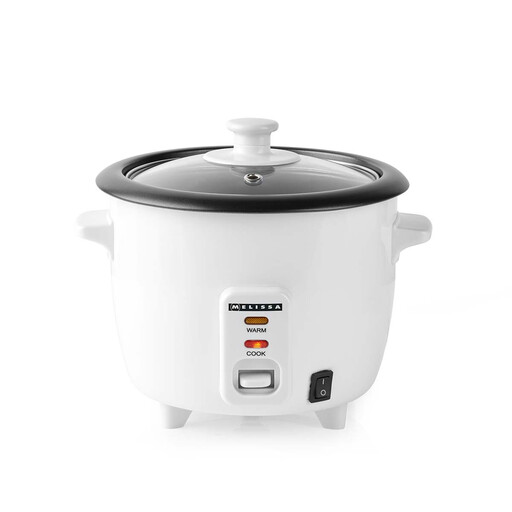
Why This Fits Their Persona: This model is compact, affordable, and does exactly what it's supposed to do: cook rice. Ideal for a small kitchen, student dorm, or single-person household where simplicity and efficiency are key.
No unnecessary features you have to pay for. The 0.6-litre capacity is perfectly suited for 1-2 people, so there's no waste. The removable pot makes cleaning simple.
Compact size, very simple one-button operation, and an automatic keep-warm function. Includes a steam basket for extra versatility.
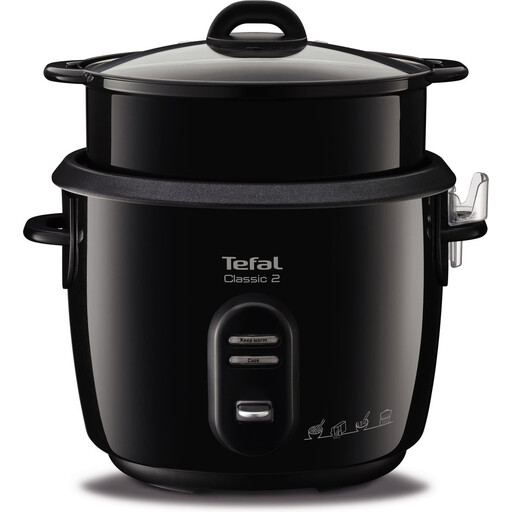
Why This Fits Their Persona: For families who need convenience and capacity. This model cooks up to 10 cups of rice, enough for everyone, and the steam function allows for simultaneous vegetable preparation for a quick, complete meal.
The 1.8-litre capacity is clearly tailored for family use. It's a no-nonsense appliance without complex programs. The removable inner pot with Tefal's non-stick coating is designed for easy cleaning.
Large capacity, reliable automatic cook and keep-warm function, and an included steam accessory for added functionality.
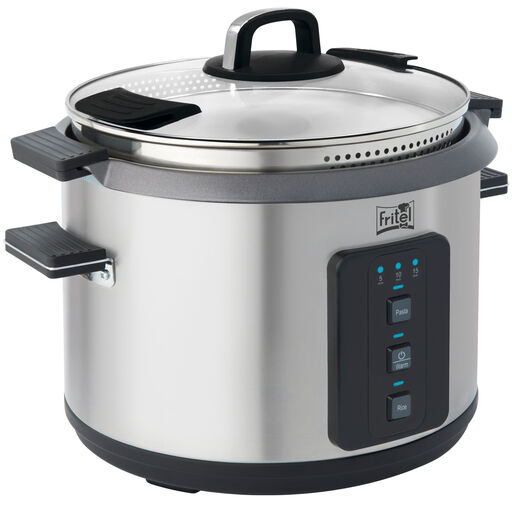
Why This Fits Their Persona: For those who make conscious choices about materials and versatility. This model is explicitly PFAS-free and functions not only as a rice cooker but also as a pasta cooker and steamer, suiting a varied and healthy diet.
This appliance focuses on a specific need (PFAS-free) rather than on superfluous marketing. The 3-in-1 functionality is practical, and the large 6-litre capacity is clearly communicated for those who prepare larger portions.
Guaranteed PFAS-free, highly versatile (rice, pasta, steaming), and a generous capacity. The programmable functions offer control for the discerning cook.
We have compiled a complete, up-to-date list of products that meet these strict selection criteria and UK/EU safety regulations.
The general rule of thumb is a 1:1 ratio, so one cup of water for one cup of white rice. However, this can vary depending on the type of rice and the appliance. Most rice cookers have measurement lines on the inside of the pot that indicate the correct amount of water for the number of cups of rice. For the best results, it's recommended to wash the rice first until the water runs clear.
Modern non-stick coatings based on PTFE (like Teflon) are safe with normal use. Problems only arise if the pot overheats (above 260°C / 500°F) or if the coating is damaged. Therefore, never use metal utensils in the pot. If you are concerned about chemicals, you can opt for a PFAS-free rice cooker with a ceramic coating or a stainless steel inner pot.
Absolutely. A simple rice cooker is also suitable for preparing quinoa, oatmeal, or lentils. Models with a rice cooker with a steam function are even more versatile; you can steam vegetables, fish, and even dumplings in them. More advanced appliances, often referred to as multi-cookers, have specific programs for soup, stews, and even baking cakes.
