
Vandaag of morgen in huis

Kwaliteit gegarandeerd

Welkomstaanbiedingen ontgrendelen: GRATIS bezorging | Tot 80% korting | Gratis 30 dagen JoyPlus-proefperiode
Download de app
A rice cooker seems like a simple purchase—until you start searching online. You're flooded with models promising dozens of functions, coming in confusing sizes, and making vague claims. The result? You pay too much for a device that doesn't do what you need, or worse, needs replacing after just a few months.
As a Joybuy Product Recommendation Officer, I see where things go wrong every day. Before you purchase a rice cooker, it's wise to be aware of a few common pitfalls:
By recognising these points, you can search more effectively for an electric cooker that truly suits your needs.
To make a good choice, you don't need to sift through technical manuals. Pay attention to the following three concrete specifications. These will determine 90% of whether a device is a good purchase for your situation.
Don't be misled by the number of "cups". Look at the capacity in litres. This gives a much better idea of the actual size.
multicooker models that are also suitable for soups and stews.Consider what else you want to prepare besides rice.
electric cooker that replaces multiple appliances. Functions can include: cooking rice, steaming, making soup, and sometimes even baking or making yoghurt. An Instant Pot is a well-known example of a multicooker that also functions as a pressure cooker and slow cooker.The inner pot is the heart of the rice cooker. The choice of material affects the cooking result, cleaning, and lifespan.
Instant Pot. It requires a bit more skill to prevent sticking (for example, by using a little oil), but the pot is virtually indestructible.Based on the criteria above, we have selected a few models that fit different user profiles.
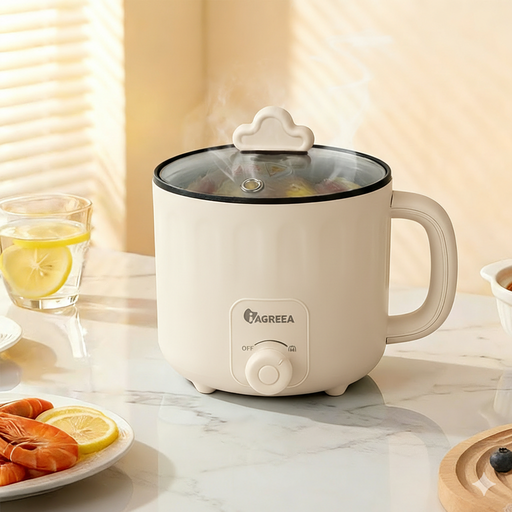
Why This Fits Their Persona: Ideal for a dorm room or small apartment. This compact pot is not just a small rice cooker but also perfect for cooking noodles, soup, or reheating a meal. It takes up little space and is easy to take with you.
This model focuses on simplicity and functionality, without unnecessary "smart" programs. The 1.6-litre capacity is clearly stated and perfect for one person, helping you avoid the pitfall of an oversized appliance.
Multifunctional for various quick meals. According to the manufacturer, the non-stick coating is food-grade quality, and the pot is easy to clean.
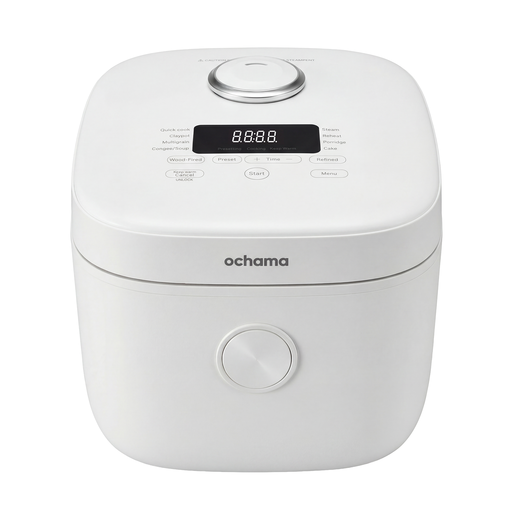
Why This Fits Their Persona: With a 4-litre capacity, this model is ideal for a family of 3 to 4 people. The various cooking modes for rice, porridge, and soup make it a versatile helper in a busy kitchen, saving you time and space.
The capacity is clearly communicated in litres and for how many people it is suitable. The non-stick coating is designed for easy cleaning, which avoids the pitfall of a hard-to-maintain pot.
According to the manufacturer, the thickened spherical inner pot ensures even heating. The "quick cook" function is a practical addition for fast meals.
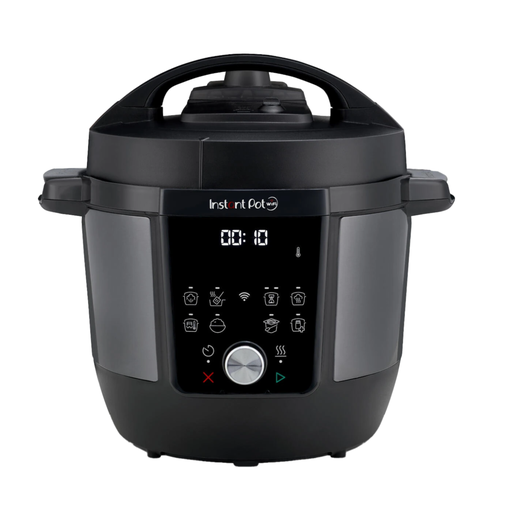
Why This Fits Their Persona: This is more than a rice cooker; it's a 9-in-1 multicooker that also functions as a pressure cooker, slow cooker, steamer, and yoghurt maker. The stainless steel inner pot is durable and free of coatings, which aligns with a focus on quality and longevity.
The stainless steel inner pot completely bypasses the pitfall of a wearing non-stick coating. Although the appliance has many functions, these are proven, practical cooking methods (like pressure cooking and sous-vide) rather than vague marketing terms.
Extreme versatility (9-in-1) and a durable, food-safe stainless steel (304) inner pot with a tri-ply bottom for even heat distribution.
We have compiled a complete, up-to-date list of products that meet these selection criteria and local safety regulations.
Most rice cookers come with a measuring cup and have markings on the inside of the pot. The general rule is: for every cup of rice you add, fill the water up to the corresponding mark in the pot. If you don't have markings, a common ratio for white rice is about 1:1.25 (1 cup of rice to 1? cups of water). This can vary depending on the type of rice.
For most people, yes. A good multicooker has a specific rice cooking function that works just as well as a standalone rice cooker. The big advantage is that you can also use it to slow cook, steam, or make soup, which saves counter space. However, if you exclusively want perfect rice and don't need any extra features, a simple, dedicated rice cooker is often a more straightforward and budget-friendly choice.
It's important to maintain the non-stick coating properly. Never use metal utensils or abrasive sponges. Wash the pot by hand with a soft sponge and mild dish soap. Let the pot cool down for a bit after cooking before adding cold water to prevent thermal shock. If rice is stuck on, let the pot soak in warm water for a while. Most inner pots are dishwasher-safe these days, but hand washing remains the gentlest method to maximise its lifespan.
