
Vandaag of morgen in huis

Kwaliteit gegarandeerd

Welkomstaanbiedingen ontgrendelen: GRATIS bezorging | Tot 80% korting | Gratis 30 dagen JoyPlus-proefperiode
Download de app
At first glance, rice cakes and rice crackers seem simple enough to compare. Yet they differ greatly in flavour, ingredients, size and allergens. A light, airy cheese rice cake is a far cry from a Japanese senbei or a spicy Chinese rice snack. If you only look at the front of the packet, you could end up buying a snack that doesn't match the taste or occasion you had in mind.
Rice snacks often feel light and airy, but that doesn't tell you much about their nutritional value per 100 grams. Across the range, values vary from around 382 to 555 kcal per 100 grams. The type of oil, sugar, coating and portion size all make a difference.
So don't just rely on terms like "light" or "airy". Check the nutritional information table and pay particular attention to:
A pack with individually wrapped portions can also be more practical than a large bag that quickly absorbs moisture once opened.
Rice itself doesn't contain gluten, but rice crackers can include ingredients that do. Soy sauce, for example, often contains wheat. The BIN BIN Rice Cracker Seaweed Flavor lists wheat and soya as allergens, while the WANT WANT Rice Crackers also contain wheat and soya.
If you're looking for gluten-free rice snacks, you need to check the full ingredients list and allergen declaration. Also look out for warnings such as "may contain traces of gluten" or production in an environment where wheat is handled. "Based on rice" is no guarantee of a gluten-free product.
"Honey", "barbecue", "seaweed" and "wasabi" don't always describe a dominant flavour. Check where the ingredient appears on the list and in what quantity. The Richy Jinju cracker, for example, contains 4.634% honey alongside sugar, soy sauce and palm oil. The Yuki & Love variant lists seaweed at 1.7%.
For a sweet snack, then, look at the sugar and sweetener content. For savoury varieties, salt, soy sauce, spices and flavour enhancers are the relevant points of comparison.
Broadly speaking, there are three categories:
Choose an individual pack for work, school or on the go. A 150 to 200 gram bag is better suited to a film night, with tea, or when several people want to try some.
Always check the label for milk, soya, wheat, sesame, egg and barley. The Snack A Jacks Cheese contains milk, and soya and sesame may be present. The Ciweiagan Barbecue-Flavored Millet Rice Crackers contain sesame. The Mi Laotou Sesame Flavour Rice Stick contains 2% sesame and is therefore not suitable for anyone who needs to avoid sesame.
Store opened crispy rice snacks in an airtight container in a cool, dry place. Moisture will make the texture soft. Always check the packaging for the exact shelf life and date; product information can vary by batch or pack.
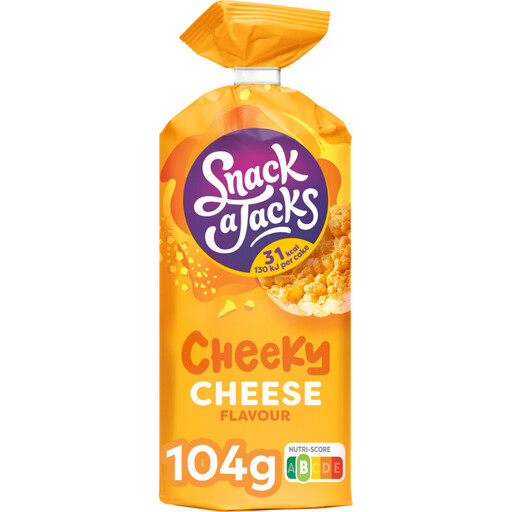
Why this fits the profile: The familiar cheese flavour and thirteen wafers per roll make this an easy choice for anyone trying rice wafers for the first time.
The portion information makes comparison easier: approximately 31 kcal is listed per rice wafer. Do check the current packaging.
104 grams, thirteen wafers per roll, 382 kcal and 2.4 grams of fat per 100 grams according to the product information.
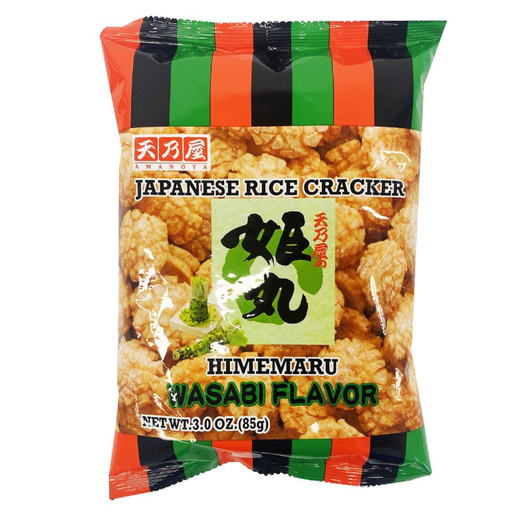
Why this fits the profile: This Japanese rice cracker is ideal for those who love a bold flavour with tea or when sharing with friends.
The product information lists wasabi powder, chilli and soy sauce separately. This makes the flavour expectation much clearer than with a generic seasoning coating.
Product of Japan according to the product listing, 85 grams and 450 kcal per 100 grams; soya is listed as an allergen.
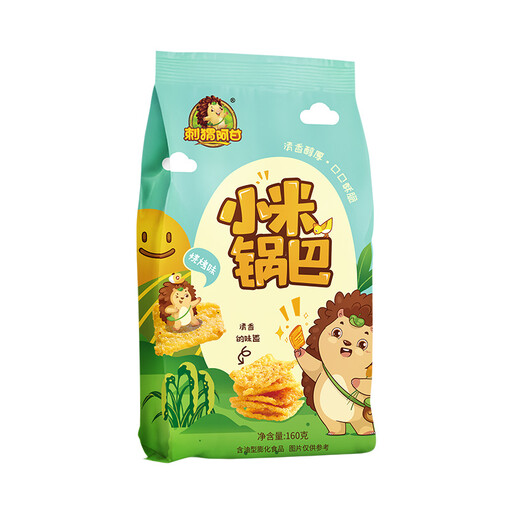
Why this fits the profile: The 160-gram size is ideal for film nights, parties and moments when you want to share crispy rice snacks.
The product information states 63% millet and lists sesame as an allergen. This means you can check in advance whether the ingredients suit your household.
160 grams, barbecue seasoning, 555 kcal per 100 grams and 1.63 grams of salt per 100 grams according to the product data.
We've put together a full, up-to-date list of products that fully meet these strict selection criteria and comply with current European safety regulations.
Not quite. Rice cakes are usually larger, lighter and less heavily seasoned. Rice crackers are often smaller, firmer and coated with soy sauce, seaweed, wasabi, sugar or spices. The naming also varies by brand and country of origin.
Keep them dry and seal the packaging carefully. Don't put the bag next to the hob or in a damp kitchen cupboard. With individually wrapped snacks, the texture is generally better preserved, because the whole pack isn't exposed to air and moisture at once. Always follow the storage instructions on the label.
It varies from product to product. Check for wheat, barley, soy sauce and any warning about possible traces. Some Chinese rice crackers and Japanese rice crackers contain wheat or are made on shared production lines. Only choose a product with a clear gluten-free label if that's essential for you.
