
Anyone who wants to offer toppings
A plain rice cake can be a base for sweet or savoury toppings. You can choose exactly what to put on the table, but preparing the toppings takes a little planning.


Choose plain rice cakes if you want to offer sweet or savoury toppings for Sinterklaas Eve. Coated rice cakes and digestive biscuits can be served without toppings, but a digestive is a biscuit, not a rice cake. If your guests have allergies or specific dietary requirements, always check the label of the exact product you choose.
A plain rice cake can be a base for sweet or savoury toppings. You can choose exactly what to put on the table, but preparing the toppings takes a little planning.
A coated rice cake or digestive biscuit does not need to be topped first. When choosing, consider the difference between a rice cake and a biscuit, as well as the flavour of the product.
If someone has an allergy or follows a specific diet, the ingredients, allergens and any claims for the exact flavour and product are what matter. The Netherlands Food and Consumer Product Safety Authority highlights the importance of clear allergen information on prepacked foods.
First decide whether you want to add the toppings yourself or put out something ready to eat. Then check the information that matters to your guests on the rice cake or biscuit you choose.
| What to consider | What to check when buying | Who it matters to |
|---|---|---|
| Adding your own toppings | Choose a plain or wholegrain variety that goes with the toppings you want to serve. Read the ingredients on the rice cake you choose. | If I want guests to choose their own sweet or savoury toppings, I’m looking for a simple base to put out; adding your own toppings is the top priority for around 45% of consumers. |
| Serving something sweet straight away | Check whether you’re choosing a coated rice cake or a digestive biscuit, and compare the ingredients and nutrition information on each pack. | If you want to put out a sweet snack without any preparation, you can choose a coated rice cake or biscuit; convenience comes first for around 33% of consumers. |
| Labels and dietary requirements | Check the allergens, ingredients and any gluten-free or vegan claim on the exact product. | If I’m catering for an allergy or a specific diet, I want to be able to read the label for that exact flavour; this check is the deciding factor for around 22% of consumers. |
A coating is part of the product and may add different ingredients and allergens. PLUS lists rice, water and 0.3% sea salt in its plain rice cakes; ALDI sells separate varieties with yoghurt or chocolate coatings.
Compare the ingredients and nutrition information on the packs you’re actually planning to buy.
ALDI describes its Goud Gebakken rice cakes with sea salt as gluten-free and vegan. That does not apply to other flavours or brands.
If you’re catering for an allergy or a specific diet, check the current label for the exact product, including its allergen information.
PLUS and Jumbo recommend storing rice cakes in a cool, dry place. For its plain rice cakes, PLUS recommends transferring them to an airtight container after opening.
Open the pack just before serving and seal any leftover rice cakes carefully after use.
These brands offer examples of rice cakes, biscuits and similar snacks; the features available vary by product and variety.
Albert Heijn offers, among other things, plain rice cakes, thick rice cakes and coated varieties, as well as AH Digestive.
Jumbo offers, among other things, plain rice cakes and thick wholegrain rice cakes.
PLUS Rijstwafels Naturel is an example of a simple variety: its product page lists rice, water and 0.3% sea salt as ingredients.
ALDI offers Goud Gebakken rice cakes with sea salt, as well as separate rice cakes with yoghurt or chocolate coatings.
Under the Sondey brand, Lidl describes a range that includes biscuits, cookies and rice cakes.
These products offer a few different options for your table: a chocolate-flavoured rice cake, digestive biscuits with or without a chocolate coating, and rice toast to top yourself. Rice toast is a separate product type, so check the size if you’re specifically looking for rice cakes.
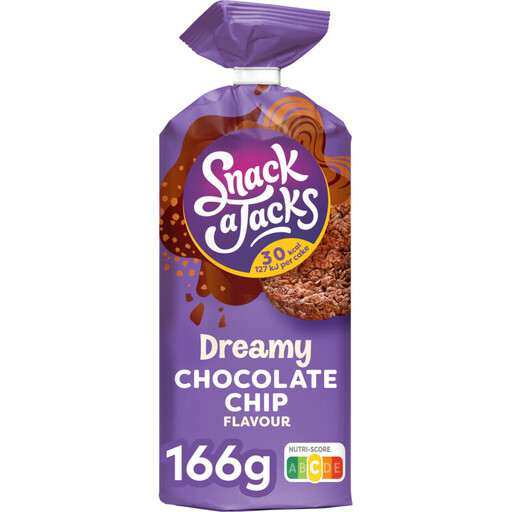 Image unavailable
A chocolate-flavoured rice cake to serve without separate toppings. If you have allergies, check the current packaging, particularly the information about sesame, milk and soya.
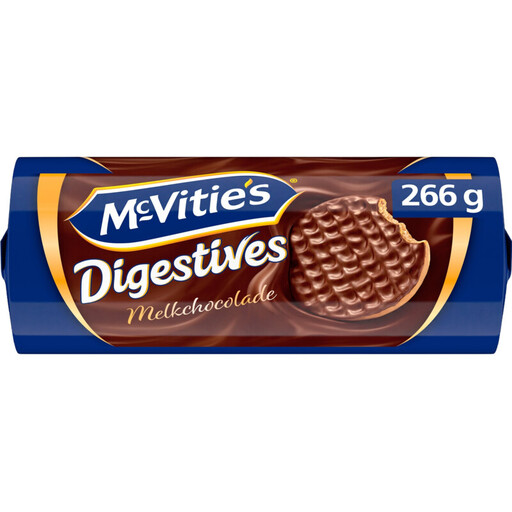 Image unavailable
A digestive biscuit covered in milk chocolate, for anyone who wants to serve a sweet biscuit. If you have allergies, check the label for ingredients including wheat, milk and soya.
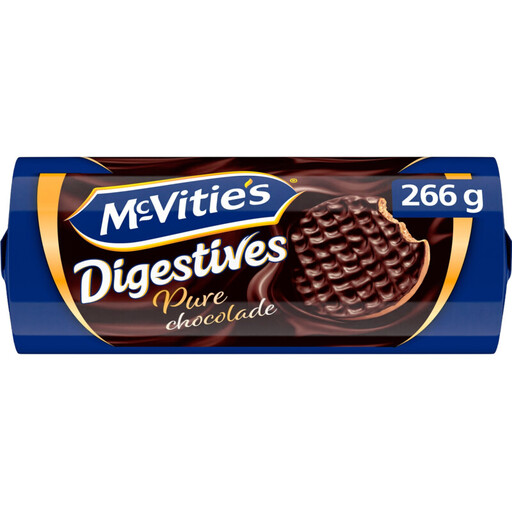 Image unavailable
A digestive biscuit with dark chocolate, ready to serve as a sweet biscuit. If you have allergies, check the label for ingredients including wheat, milk and soya.
 Image unavailable
A digestive biscuit with no chocolate coating listed, for anyone who prefers to decide for themselves what to serve alongside it. If you have allergies, check the packaging for wheat and any mention of milk.
 Image unavailable
Rice toast to top yourself, as an alternative if you don’t need a specific rice cake shape. Check the product size before buying and, if you have allergies, read the current label, particularly for sesame and soya.
No. Check the label of the exact variety. The Netherlands Food and Consumer Product Safety Authority stresses that allergen information on prepacked foods must be clear; also read any warnings about cross-contamination.
No. Don’t assume these features apply just because a product is a rice cake. ALDI lists them for its Goud Gebakken rice cakes with sea salt, but you’ll need to check the label for other flavours or brands.
Keep them in a cool, dry place and seal the pack carefully. PLUS recommends transferring its plain rice cakes to an airtight container after opening.
Use the online description to compare varieties, but also read the label on the pack you buy. PLUS says that product information, including ingredients and allergen information, may change.