What should you look for when choosing?
First, decide whether you want a rice cake or a biscuit. Then compare varieties within that category, focusing on what matters for your tea break.
| What to consider |
What to check |
Who it matters to |
| Neutral base |
Compare the ingredients and salt content of the exact plain rice cake you’re considering. |
I want something crunchy with my tea that I can flavour myself, rather than immediately choosing a sweet biscuit. For around 36% of consumers, a neutral base comes first. |
| Biscuit break |
Check whether you’re buying a digestive biscuit or a rice cake, and compare the portion sizes. |
With my tea, I’m mainly looking for the flavour and texture of a biscuit. A classic biscuit break is the top priority for around 29% of consumers. |
| Label and allergens |
Compare nutritional values per 100 g on the same basis. If you have an allergy, read the ingredients and allergen information on the packaging. |
If a nutritional value or allergen determines my choice, I want to be able to assess the specific variety. For around 21% of consumers, checking the label matters most. |
| Variety for children |
Consider how often a child has rice cakes and other rice products, and vary their snacks with other foods. |
For a child, I want to avoid rice products becoming their regular everyday snack. Varying snacks comes first for around 14% of consumers; as a precaution, the Netherlands Nutrition Centre advises against giving children rice products every day. |
Brands and ranges to explore
A brand name tells you little about the ingredients of a particular rice cake. Use these ranges to compare varieties, then check the packaging of the one you decide to buy.
Albert Heijn
The range includes plain, multigrain and coated rice cakes, as well as other types of cakes.
- You can compare different flavours and types of product side by side.
- Check the ingredients and nutritional values for each variety. Those for a plain rice cake don’t automatically apply to a coated one.
Jumbo
Jumbo offers plain and thick multigrain rice cakes, among other varieties.
- The plain variety lists wholegrain rice as an ingredient, while the thick multigrain variety contains a different mix of grains.
- Jumbo lists 4.9 g of fibre and 0.65 g of salt per 100 g for its multigrain variety. So consider both fibre and salt if they matter to your choice.
PLUS
PLUS offers plain rice cakes and thick rice cakes with sea salt, among other varieties.
- PLUS lists rice, water and 0.3% sea salt as ingredients in its plain rice cakes.
- Don’t assume these ingredients apply to every PLUS variety; check the label on the pack you choose.
ALDI / Goud Gebakken
The range includes rice cakes with sea salt, as well as varieties coated in yoghurt or chocolate.
- ALDI describes its Goud Gebakken rice cakes with sea salt as gluten-free and vegan.
- Don’t assume this description applies to the coated varieties; check their own ingredients and allergen information.
Lidl
Lidl lists rice cakes in sea salt, milk chocolate, dark chocolate and yoghurt varieties.
- These varieties offer a choice between a savoury flavour and a sweet coating.
- Compare the ingredients, allergens and nutritional values on the packaging of the specific variety.
Bolletje
Bolletje is worth considering for crispbreads, crackers and snacks: other options to enjoy with your tea.
- The range could be interesting if you’d like to explore options beyond rice cakes and digestive biscuits.
- Assess a Bolletje product in its own category and check its label; crispbread or a cracker isn’t automatically a rice cake.
Rice cakes, digestive biscuits and rice toast on Joybuy
These products show three options to enjoy with tea: a digestive biscuit, a salted rice cake and a rice cracker. A rice cracker is a separate type of product, not a rice cake.
 No image available
McVities Digestive Original 400 g
For anyone looking for a digestive biscuit without a chocolate coating to enjoy with tea. The pack contains 400 g; if you have an allergy, check the information on the label.
View on Joybuy
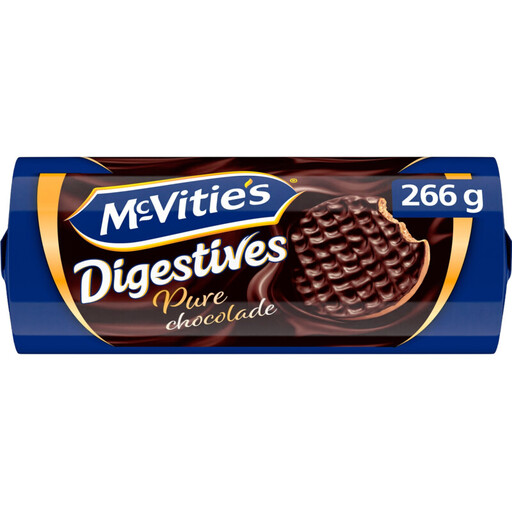 No image available
McVitie's Digestives with Dark Chocolate 266 g
For anyone who fancies a digestive with dark chocolate to enjoy with tea. The pack contains 266 g; if you’re choosing based on sugars, saturated fat or allergens, compare the nutritional information and ingredients on the packaging.
View on Joybuy
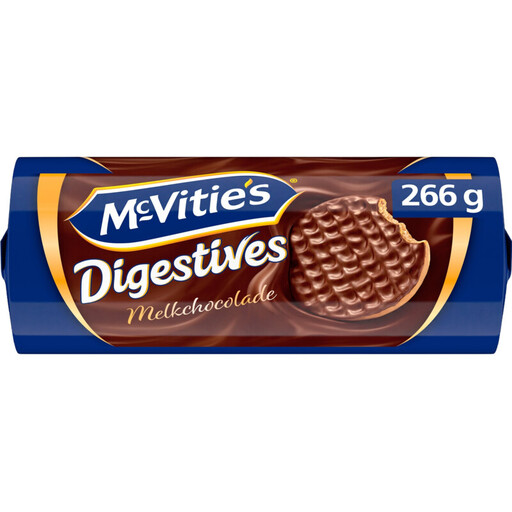 No image available
McVitie's Digestives Milk Chocolate 266 g
For anyone who’d prefer a digestive with milk chocolate to enjoy with tea. The pack contains 266 g; if you have questions about nutrition or allergies, check the details for this variety rather than those for an uncoated digestive.
View on Joybuy
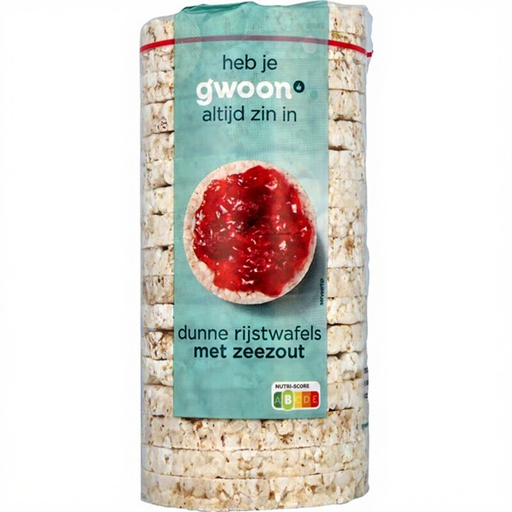 No image available
g'woon Rice Cakes with Salt 130 g
A rice cake for anyone looking for an uncoated, salted variety to enjoy with tea. The pack contains 130 g; if the salt content or an allergen affects your choice, check the label on this product.
View on Joybuy
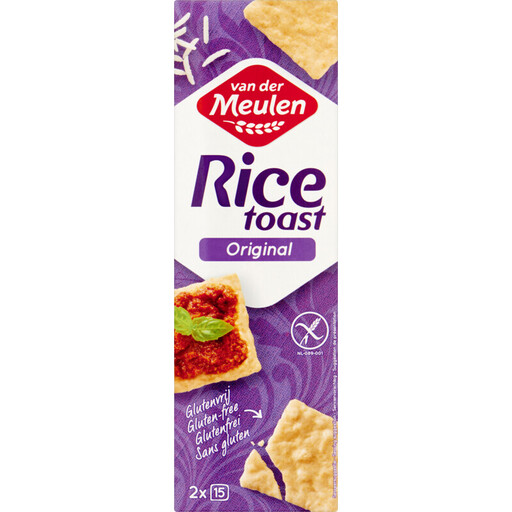 No image available
Van Der Meulen Rice Toast Natural 65 g
An option if you’d like a rice cracker with your tea rather than a rice cake or digestive biscuit. The pack contains 65 g; compare the nutritional information and allergens on the packaging if they matter to your choice.
View on Joybuy
Questions about rice cakes and digestive biscuits
Is a digestive a type of rice cake?
No, a digestive is a biscuit, not a rice cake. Choose based on what you’re looking for with your tea: the flavour and texture of a biscuit, or a crunchy rice base that you can add a topping to if you like.
How can I compare the salt in rice cakes?
Compare the salt content per 100 g of the exact varieties so you’re using the same basis. A name such as ‘plain’ or ‘multigrain’ doesn’t tell you how much salt it contains; Jumbo lists 0.65 g of salt per 100 g for its thick multigrain rice cakes.
Can I rely on the product type if I have an allergy?
No, check the ingredients and allergen information on the specific pack. For example, Jumbo states that its plain rice cakes may contain sesame and soya; a claim relating to another dietary preference doesn’t replace this check.
Can a child have rice cakes every day?
As a precaution, the Netherlands Nutrition Centre advises against giving children rice or rice products, including rice cakes, every day. So vary their snacks with options made from other ingredients.
What does Nutri-Score B tell me about a rice cake?
Nutri-Score B doesn’t guarantee that a rice cake is healthy. According to the Dutch Government, Nutri-Score helps you compare products within the same product category. Also check the ingredients and nutritional values of the variety you want to buy.


