
Buying for a mixed office group
You want a snack people can share, and to check the ingredients and allergens listed on each pack first. A plain flavour also lets colleagues decide for themselves whether to eat it with anything else.


For a shared snack tin, start with a plain rice cake whose ingredients, allergens and storage instructions you can check on the packaging. A product explicitly labelled gluten-free may suit a particular preference, while a flavoured option adds variety. Neither is automatically suitable for all your colleagues.
You want a snack people can share, and to check the ingredients and allergens listed on each pack first. A plain flavour also lets colleagues decide for themselves whether to eat it with anything else.
They’re looking for a rice cake without a sweet coating, so they compare the ingredients and nutritional information of individual products rather than relying on the category name alone.
You want to compare nutritional values per serving or find a product explicitly labelled gluten-free. Even then, it’s important to check the current label and any warnings about other allergens.
First, decide what matters most for your shared supply: a plain option, easy storage, a particular dietary preference or some variety. Then check the label of every product you plan to put out.
| What to consider | What to check when buying | Who it matters to |
|---|---|---|
| Plain option | Read the ingredients and allergen information; don’t assume it’s suitable for everyone just because it’s labelled plain. | I want to put out a simple option without choosing a flavour for my colleagues. For around 36% of consumers, this kind of shared staple is the top priority. |
| Storage and replenishing | Check the storage instructions and find a way to keep the cakes sealed after opening. | If a pack isn’t finished in one go, I want to be able to keep the rest dry. A practical supply is the main priority for around 29% of consumers. |
| Nutritional and dietary preferences | Compare fibre and salt per 100 g and per serving; if you prefer gluten-free products, look for an explicit label. | I want to know how much fibre or salt a serving contains, or choose a pack that suits my gluten-free preference. This comes first for around 21% of consumers. |
| Variety | Check the ingredients and allergens for each flavour separately, and keep a plain option available too. | I want to offer another flavour alongside plain, without assuming that every colleague can or wants to eat it. Variety is the deciding factor for around 14% of consumers. |
A short ingredients list doesn’t rule out warnings about the possible presence of allergens. Jumbo says its Natural Rice Cakes may contain sesame and soya.
Check the current packaging before putting a product in a shared snack tin; don’t promise that everyone can eat it.
A label only answers the question it relates to. Smaakt organic rice cakes, available from PLUS, are labelled gluten-free and vegan, but also carry a warning that they may contain soya.
Always check the ingredients and warnings on the packaging as well as the relevant label.
A shared supply often isn’t finished in one go. PLUS recommends storing its Natural Rice Cakes in a cool, dry place and putting them in an airtight container after opening.
Top up the snack tin with smaller amounts and seal the remaining cakes securely.
Compare specific products rather than assuming that the features of one rice cake apply to an entire brand.
Its Natural Rice Cakes are an example of a simple option for the snack tin.
The plain pack is an option if you want to compare ingredients, nutritional information and storage instructions.
An organic option to consider if an explicit gluten-free or vegan label is relevant to you.
ALDI’s sea salt rice cakes offer a savoury alternative to plain.
The range offers ways to switch things up with rice cakes and other types of crispbread.
These Joybuy products offer two different options for the snack tin: chocolate-flavoured rice cakes for a change, and plain rice toast as a neutral rice snack. Rice toast is not a rice cake.
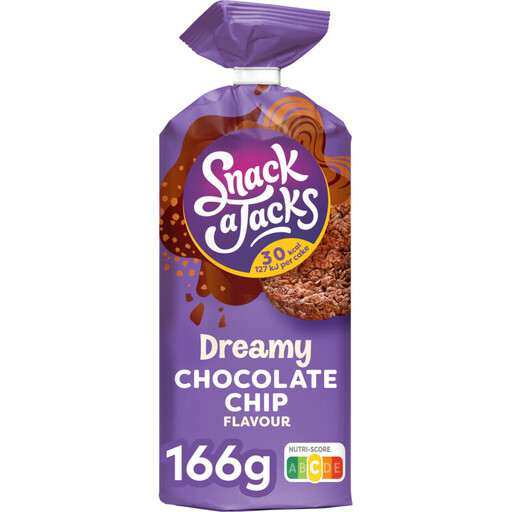 Image unavailable
A chocolate-flavoured rice cake for anyone looking to add variety alongside a plain option.
166 g pack. Before sharing, check the current allergen information for milk, soya and sesame; information about sesame varies between sources.
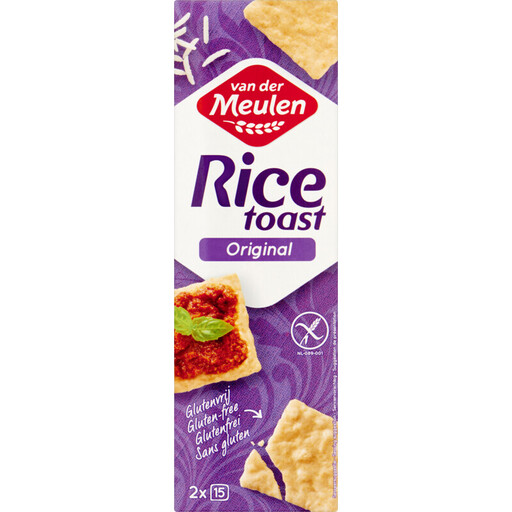 Image unavailable
Plain rice toast for anyone looking for a neutral rice snack; bear in mind that it isn’t a rice cake.
65 g pack. Check the current label for sesame and soya before sharing the toast with colleagues, as allergen information varies between sources.
No, the name ‘rice cake’ says nothing about its effect on digestion. If fibre matters to you, compare the fibre content per 100 g and per serving, and consider the snack as part of what else you eat.
Yes, plain doesn’t mean allergen-free. Jumbo says its Natural Rice Cakes may contain sesame and soya, so check the current allergen information on the packaging for every product.
No, also check for other ingredients or allergen warnings that may be relevant to your colleagues. Smaakt organic rice cakes, available from PLUS, are labelled gluten-free but may contain soya according to the product information.
Follow the storage instructions on the packaging and seal the remaining cakes. PLUS recommends storing its Natural Rice Cakes in a cool, dry place and putting an opened pack in an airtight container.