
Families looking for a neutral option to keep in the cupboard
A plain rice cake can be enjoyed on its own from the biscuit tin or served with toppings at the table. When choosing, check how much is in the pack and how to store an opened roll.


Choose a 4-pack if you want to spread your rice cakes across several breaks, but check the total weight: four units don’t automatically add up to a large family-size stock. A plain roll is a good neutral option for the biscuit tin; multigrain and flavoured varieties are alternatives if you’re looking for more bite or flavour. For these varieties, also compare the ingredients and the label on the pack you buy.
A plain rice cake can be enjoyed on its own from the biscuit tin or served with toppings at the table. When choosing, check how much is in the pack and how to store an opened roll.
Several smaller units can be handy if everyone doesn’t reach for the cupboard at the same time. Do check the total weight and whether the units are individually wrapped: the term 4-pack doesn’t tell you that.
Ingredients and allergen warnings vary between varieties. If children will be eating them too, variety matters: the Netherlands Nutrition Centre advises against giving children rice products, including rice cakes, every day.
First decide whether you’d prefer to keep your supply in one roll or split it across several occasions. Then choose a flavour that suits you and check the label for everyone who’ll be eating them.
| What to consider | What to check before buying | Who it matters to |
|---|---|---|
| Quantity and packaging | Compare the total net weight and number of units. Check how you can reseal the pack after opening. | If I’m filling the biscuit tin for several coffee breaks, I want to know how many rice cakes will stay fresh after opening; an estimated 44% of consumers put having the right amount in stock first. |
| Flavour and bite | Choose between plain, multigrain and flavoured varieties; if you opt for a different variety, check the ingredients too. | If people at home eat the rice cakes in different ways, I want to choose a flavour they’ll actually finish; around 33% of consumers give flavour and versatility top priority. |
| Ingredients and allergens | Read the allergen information for your chosen variety and compare salt levels per 100 g if that matters to you. | If someone eating with me has a food allergy, or if I’m stocking up for children too, I want to check the label and think carefully about how they’ll be eaten; an estimated 23% of consumers consider this check the most important. |
Four units may weigh less in total than one standard roll. For example, Albert Heijn lists its organic thin plain rice cakes in a 4-pack as weighing 84 g in total, compared with 130 g for its standard plain roll.
Compare the total net weight and number of units before deciding which pack suits your needs.
Jumbo’s thick multigrain rice cakes are listed as containing 0.65 g of salt per 100 g; Jumbo’s plain variety is listed as containing less than 0.01 g per 100 g. This difference applies to these two recipes, not all multigrain rice cakes.
Compare the salt level per 100 g in the nutritional information for the exact variety you’re choosing.
According to Jumbo’s product information, its plain variety may contain sesame and soya, while possible traces of sesame are listed for the multigrain variety reviewed.
If you have an allergy, check the current label on the pack you’ve chosen, even if you’ve bought a different variety before.
As a precaution, the Netherlands Nutrition Centre advises against giving children rice and rice products, including rice cakes, every day.
Vary children’s snacks rather than giving them a rice cake from the same supply every day.
Albert Heijn lists both standard plain rice cakes and 4-packs, including an organic thin plain variety.
Jumbo lists a plain roll and a thick multigrain variety, made using different recipes.
PLUS lists plain rice cakes in a 130 g roll, as an option for anyone looking for a standard roll.
Lidl offers unsalted rice cakes and varieties including milk chocolate, dark chocolate, yoghurt and sea salt.
The organic plain rice cakes from Zonnatura reviewed here are a specific recipe option for anyone who values organic products.
These rice cakes have a distinct sweet or savoury flavour, making them a tasty choice for a break. If you’re putting together a family-size supply, compare the pack sizes; don’t assume that the number of rice cakes means they’re individually wrapped.
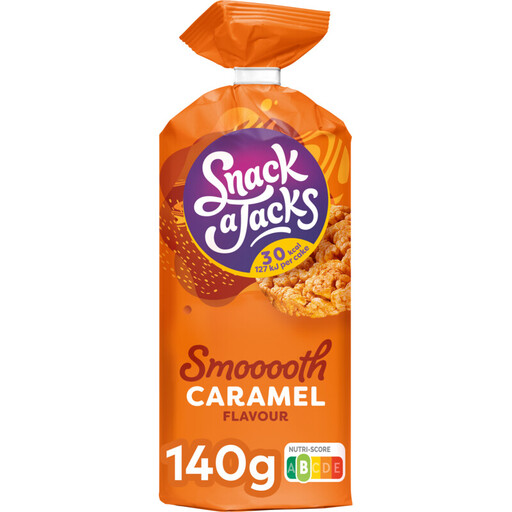 No image available
For anyone who fancies a caramel-flavoured rice cake with their coffee. The pack states 140 g; if you have an allergy, check the current label.
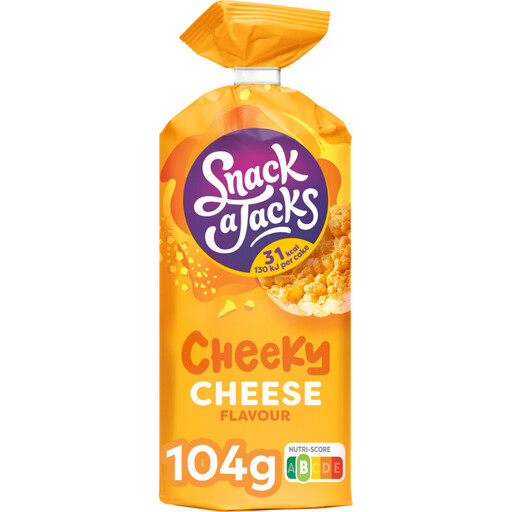 No image available
A savoury cheese option if you’re looking for something other than plain rice cakes. The pack states 104 g; if you have an allergy, read the ingredients and allergen information on the current label.
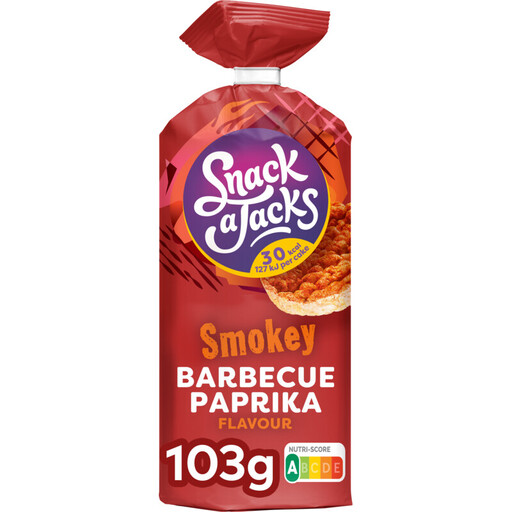 No image available
For anyone looking for a savoury rice cake with a barbecue and pepper flavour. The pack states 103 g; check the label if the ingredients or allergens matter to your choice.
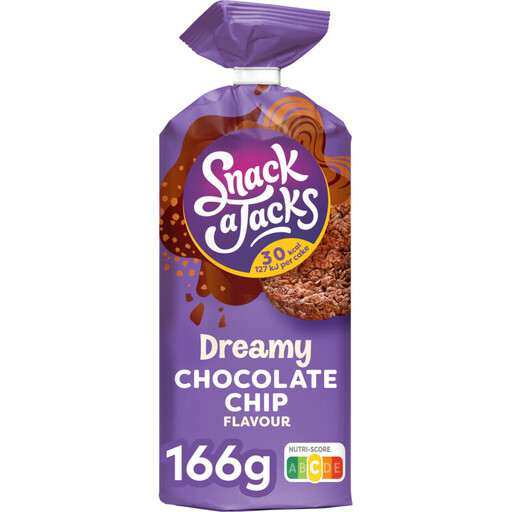 No image available
A sweet rice cake option for a break. The pack states 166 g; check the ingredients and allergen information on the pack you choose.
 No image available
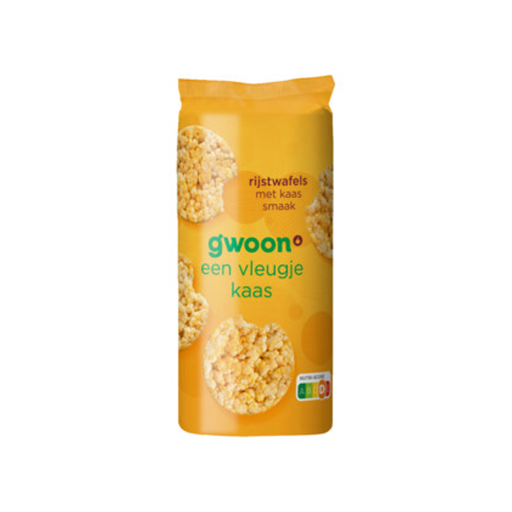
A cheese variety for anyone who likes to judge their supply by the number of pieces: the title states 12 pieces. Take extra care if you have a milk allergy: milk is listed in the ingredients, while the allergen information is contradictory. Don’t rely on a general allergen statement.
No. A 4-pack tells you how many units are in the pack, not how many rice cakes you get in total. Albert Heijn lists its organic thin plain rice cakes in a 4-pack as weighing 84 g in total, compared with 130 g for a standard plain roll. So compare the net weight and the units you actually want to use.
Keep the rice cakes in a dry place and seal the opened pack properly. PLUS recommends storing its plain roll in an airtight container; also follow the storage instructions on the pack you buy.
No. Check the ingredients and allergen information for the exact variety. Jumbo lists possible traces of sesame and soya in its plain rice cakes, and possible traces of sesame in the thick multigrain variety reviewed. Read the current label before anyone with an allergy eats them.
As a precaution, the Netherlands Nutrition Centre advises against giving children rice or rice products, including rice cakes, every day because of possible exposure to arsenic over time if they eat a lot of them. So vary their snacks.