
If you want something mild with your coffee
A plain rice cake is a good choice if you fancy something crunchy without the pronounced flavour of a sweet biscuit. Consider toppings and flavoured varieties separately, as they change what you’re eating.


A plain rice cake is a good match for coffee if you fancy something crunchy without the pronounced sweetness of a biscuit; choose a plain digestive if you’d rather have a wheat biscuit. According to average nutritional values from the Netherlands Nutrition Centre, a 15 g plain rice cake contains 58 kcal and 0.2 g of sugars, compared with 74 kcal and 2.6 g of sugars for a digestive. Check the packaging of the version you’re buying: a coating, portion size and allergens could affect your choice.
A plain rice cake is a good choice if you fancy something crunchy without the pronounced flavour of a sweet biscuit. Consider toppings and flavoured varieties separately, as they change what you’re eating.
A plain digestive is a good choice if you’d rather have a crunchy wheat biscuit with your coffee. If you enjoy one regularly, compare the portion size, sugars and saturated fat on the packaging too.
The product name alone isn’t enough to tell you whether something is suitable. The plain digestives examined contain wheat; the explicitly gluten-free Schär Digestive Landtaler contains soya and may contain lupin and egg. Check the allergen information on the packaging of the product you choose.
First decide whether you want a plain rice snack or a biscuit with your coffee. Then compare the nutritional information for the same quantity and check the packaging for any dietary requirements or allergens.
| What to consider | What to check when buying | Who it matters to |
|---|---|---|
| A less sweet coffee-time snack | Compare a plain rice cake and a plain digestive in equal quantities. Check the sugars, saturated fat and any coating. | If you want something mild with your coffee rather than a distinctly sweet biscuit, prioritise the flavour; this is the main consideration for around 45% of consumers. |
| A classic biscuit flavour | Check whether you’re choosing a plain digestive or a chocolate variety, and look at the portion size on the packaging. | If a crunchy wheat biscuit completes your coffee break, a plain rice cake may disappoint; around 33% of consumers prioritise the biscuit experience. |
| Ingredients and allergens | Read the current ingredients and allergen information, including for products labelled gluten-free. | If you need to avoid certain ingredients, check the packaging before choosing based on flavour; this is the top priority for around 22% of consumers. |
Average nutritional values for a plain rice cake don’t necessarily apply to a variety coated in chocolate or with another flavour coating.
For a direct comparison, use the nutritional information for the exact rice cake and digestive you’ve chosen, ideally for equal quantities.
The name alone doesn’t tell you how much sugar or saturated fat it contains. The Netherlands Nutrition Centre gives the average values for a 15 g digestive as 2.6 g of sugars and 1.5 g of saturated fat.
Check the nutritional information per portion and take into account how many biscuits you have with your coffee.
An explicitly gluten-free digestive may still contain other allergens. According to Jumbo, the Schär Digestive Landtaler examined contains soya and may contain lupin and egg.
If you have dietary restrictions, check the full ingredients and allergen information on the current packaging.
AH Digestive is an example of a plain wheat biscuit to enjoy with coffee.
The products examined at Jumbo include a plain rice cake, a plain digestive and an explicitly gluten-free digestive.
The examples examined at ALDI are Goud Gebakken rice cakes with sea salt and Biscotto Digestive Biscuits.
These products suit two different coffee-time choices: plain or chocolate-coated digestives, and a plain rice toast as a rice snack. Rice toast isn’t necessarily the same product as a standard rice cake.
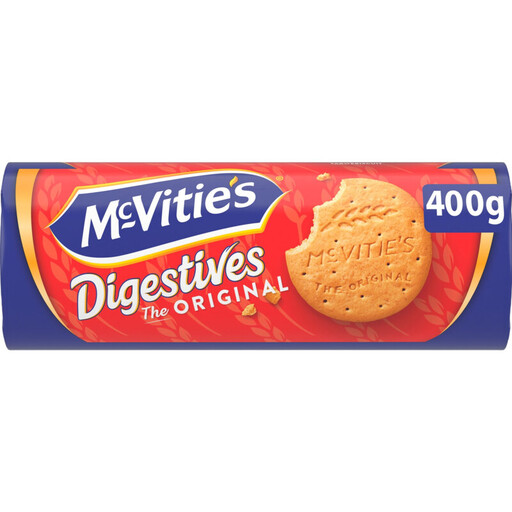 No image available
For anyone who fancies a plain digestive with their coffee rather than a mild rice snack. If you have allergies, check the current packaging, especially for wheat and possible milk.
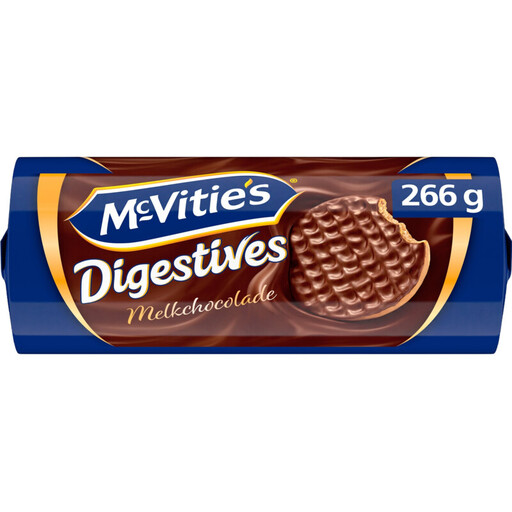 No image available
For anyone looking for a milk chocolate digestive to enjoy with their coffee. Assess this coated variety separately from a plain digestive, and check the current packaging if you have allergies.
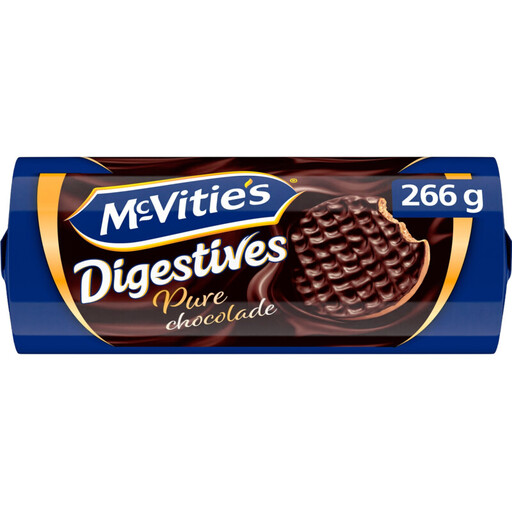 No image available
For anyone who fancies a dark chocolate digestive with their coffee. Compare the nutritional information for this coated biscuit separately with that for a plain digestive, and check the packaging if you have allergies.
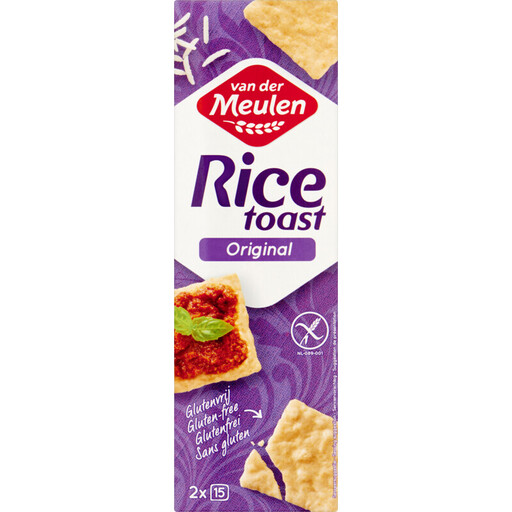 No image available
For anyone considering a plain rice snack with their coffee. This product is called rice toast: check its shape and ingredients if you specifically want a rice cake. If you have allergies, consult the current packaging for the full allergen information.
That’s the case for the average products described by the Netherlands Nutrition Centre: per 15 g, a plain rice cake contains 0.2 g of sugars, while a digestive contains 2.6 g. This doesn’t tell you what’s in every branded variety; check the packaging again for coated or flavoured products.
The plain McVitie’s and AH digestives examined contain wheat, so they aren’t suitable if you need to avoid gluten. When choosing an alternative, check that it is explicitly labelled gluten-free and look out for other allergens too: according to Jumbo, Schär Digestive Landtaler contains soya and may contain lupin and egg.
Follow the storage instructions on the packaging you choose. PLUS recommends storing its plain rice cakes in an airtight container after opening; Albert Heijn recommends keeping AH Digestive in a sealed tin.
Use the current ingredients and allergen information on the packaging of the product you choose. Albert Heijn and PLUS say that product information can change, so an online description you looked at previously isn’t enough for this check.