
If you’re after a neutral snack
You want something crunchy to eat late in the morning, without automatically reaching for a sweet biscuit. A plain rice cake also gives you the choice of whether or not to add a topping.


A plain rice cake is a good choice for a neutral snack with a short ingredients list. If you’re looking for more fibre and protein from a rice cake, compare plain and multigrain varieties. Choose a digestive biscuit if that’s what you fancy, and compare the nutritional information per 100 g and per serving, as well as checking the allergens. None of these options is automatically right for every snacking need.
You want something crunchy to eat late in the morning, without automatically reaching for a sweet biscuit. A plain rice cake also gives you the choice of whether or not to add a topping.
You’re choosing between plain and multigrain rice cakes and want to know what the nutritional information for each variety says, rather than relying on the name alone.
You’re mainly in the mood for a digestive, but also want to consider the sugars, fat, salt and wheat in the ingredients list when choosing one.
A plain rice cake, a multigrain rice cake and a digestive biscuit won’t satisfy the same snack craving. First decide what sort of snack you want, then compare the exact products by their ingredients and serving size.
A good choice if: you want a neutral rice cake to eat as it is or top yourself. Albert Heijn lists wholegrain rice and 0.2% sea salt as the ingredients in its plain variety.
Consider: nutritional values can vary between plain varieties too, so check the packaging of the product you choose for fibre and protein.
A good choice if: you’re comparing fibre and protein across rice cakes. PLUS lists 5.3 g of fibre and 11 g of protein per 100 g for its thick multigrain rice cakes.
Consider: the ingredients list is longer than those of the plain varieties reviewed. If you have an allergy, also check the sesame seed warning on this PLUS variety.
A good choice if: you want a ready-to-eat biscuit rather than a neutral rice cake.
Consider: AH Digestive contains wheat. According to Albert Heijn’s product information, this biscuit also contains more added sugars, fat and salt per 100 g than AH plain rice cakes. It’s also worth comparing how much you actually eat at each snack break.
| What to consider | What to check when buying | Who it matters to |
|---|---|---|
| Neutral base | Read the ingredients and compare added sugars, fat and salt per 100 g. | If I want to decide for myself whether to add a topping to my snack, I’d rather not start with a sweet biscuit. For around 36% of consumers, a neutral base comes first. |
| Fibre and protein | Compare the nutritional values per 100 g and per serving for the specific plain and multigrain varieties. | I want to choose between two rice cakes based on their fibre and protein, not just because one is called multigrain. Around 29% of consumers prioritise this comparison. |
| Gluten and allergens | Check the gluten-free label and allergen warnings on the exact pack. | If I need to avoid gluten or another allergen, the variety I choose must meet my requirements. For around 21% of consumers, allergen information is the first thing they look for. |
| Flavour and a biscuit break | Choose between a rice cake you can top if you wish and a ready-to-eat biscuit; check the nutritional information for both. | Sometimes, late in the morning, I’m mainly after the taste of a digestive, not a neutral rice cake. For around 14% of consumers, that biscuit break matters most. |
A biscuit doesn’t automatically become a light snack because of its name or because it contains wholemeal wheat flour. Albert Heijn lists 16 g of added sugars, 21 g of fat and 0.78 g of salt per 100 g for AH Digestive.
Compare the biscuit with the rice cake you’re actually considering, both per 100 g and for your usual serving.
“Multigrain” alone doesn’t tell you how much fibre or protein a rice cake contains. The PLUS varieties reviewed also differ in their ingredients and allergen warnings.
Compare the nutritional information and ingredients lists for plain and multigrain varieties before deciding which qualities matter to you.
AH Digestive contains wheat, while Albert Heijn labels AH plain rice cakes as gluten-free. This information applies to these specific products, not automatically to all biscuits or rice cakes.
Check the latest packaging for each variety, including the allergen information and any warnings.
As a precaution, the Netherlands Nutrition Centre advises against giving children rice or rice products every day because of the possible intake of arsenic.
For children, alternate rice cakes with other grain products and snacks.
Albert Heijn’s range includes its own plain and multigrain rice cakes, as well as a digestive biscuit.
Jumbo has its own plain and multigrain rice cakes.
PLUS has its own plain rice cakes and thick multigrain rice cakes.
ALDI also offers rice cakes topped with yoghurt, milk or dark chocolate if you’re looking for a flavoured option.
These products show a range of options for a late-morning snack: a digestive biscuit, flavoured rice cakes and rice toast. Rice toast isn’t a rice cake, so compare each product with others of its own type. Check the packaging if nutritional values or allergens are key to your choice.
 Image unavailable
For anyone who fancies a digestive biscuit with their late-morning snack instead of a plain rice cake. Check the packaging for wheat and other allergens, and compare sugars, fat and salt with your alternative.
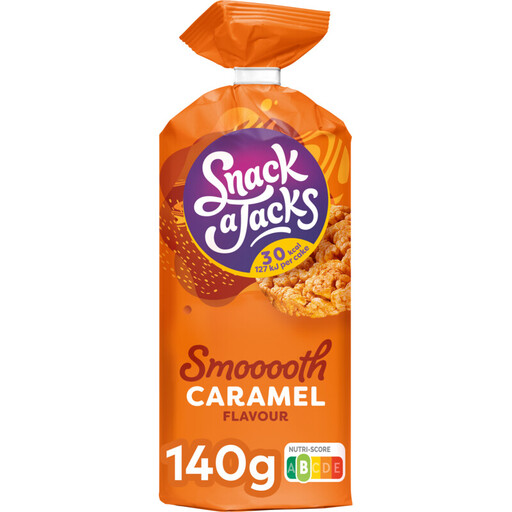 Image unavailable
A caramel-flavoured rice cake for anyone who’d prefer a flavoured option to a plain one. Compare the sugars per 100 g and read the allergen information, especially if you need to avoid soya, milk or sesame.
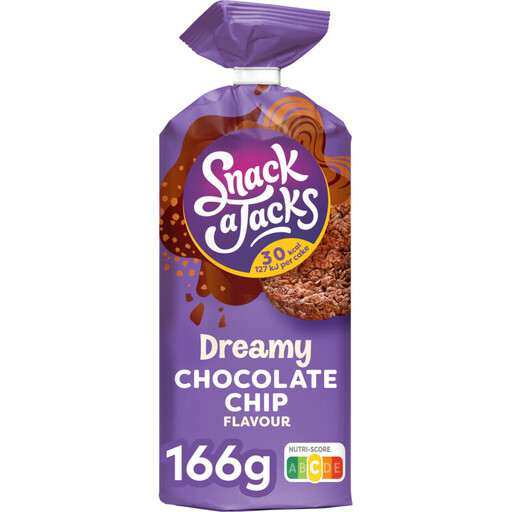 Image unavailable
A chocolate-flavoured rice cake snack, rather than a neutral base to top yourself. Check the sugars per serving and look for milk, soya and possible sesame on the packaging.
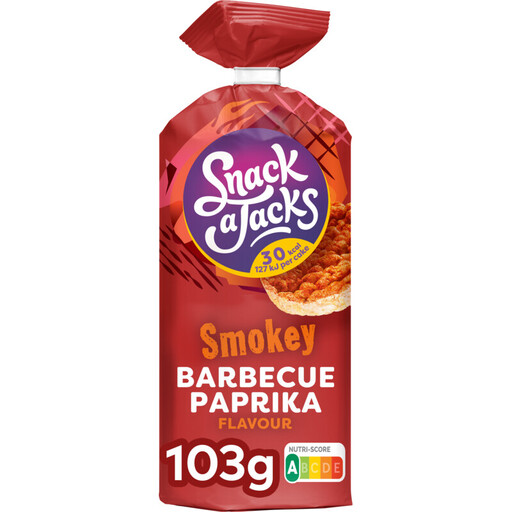 Image unavailable
A seasoned rice and maize wafer for anyone after a savoury flavour. Pay particular attention to the salt per 100 g compared with a plain variety, and check the allergen information for milk, sesame and soya.
 Image unavailable
A rice toast to consider if you’re also looking for a cracker-style snack; this product isn’t described as a rice cake. Check the salt and, if you have allergies, read the exact information about sesame and soya on the packaging. If you eat gluten-free, check the latest packaging too.
No, you can’t tell from the product type alone. According to Albert Heijn, AH plain rice cakes contain less added sugar, fat and salt per 100 g than AH Digestive. But your choice also depends on the serving size, any toppings and what you want from your snack. Compare the specific products.
Only choose a variety whose current packaging confirms that it meets your requirements. Albert Heijn labels AH plain rice cakes as gluten-free, while AH Digestive contains wheat. Don’t assume the same applies to other rice cakes or biscuits without checking their labels.
As a precaution, the Netherlands Nutrition Centre advises against giving children rice or rice products every day. So, alternate rice cakes with other grain products and snacks. This advice isn’t a ban on rice cakes.
Store them in a cool, dry, dark place in a tightly sealed container to keep them crunchy. Follow the storage instructions on the packaging for your variety too.