
Vandaag of morgen in huis

Kwaliteit gegarandeerd

Welkomstaanbiedingen ontgrendelen: GRATIS bezorging | Tot 80% korting | Gratis 30 dagen JoyPlus-proefperiode
Download de app
As a Joybuy Product Recommendation Officer, I see every day just how vast the world of rice cakes is. It spans from soft, sweet Japanese mochi to spicy Korean tteokbokki and crispy rice crackers. But this variety also leads to confusion. You might think you're buying a light snack, only to end up with a meal that requires cooking, or you expect a savoury bite and get a sweet dessert instead. Let's walk through the most common pitfalls so you can find exactly what you're looking for.
Before you make a choice, it's helpful to know where things often go wrong. This way, you can avoid disappointment and won't waste your money.
To navigate these pitfalls, focus on three simple specifications. These will help you quickly filter for the right Asian snacks.
The base of every rice cake is rice, but the processing method leads to completely different products.
Always check the sauce, filling, or seasoning.
Check the packaging for instructions.
Below are a few popular choices, matched to different preferences and situations.
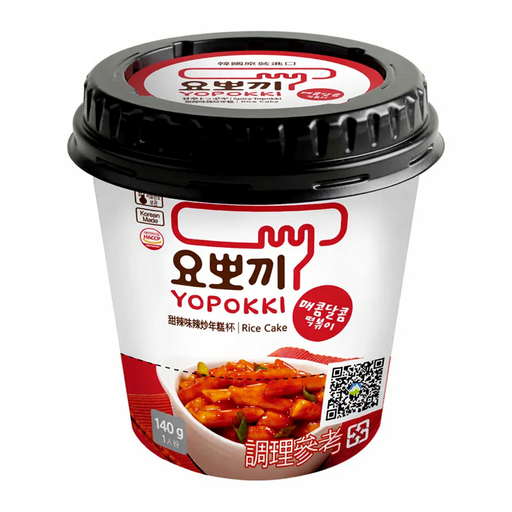
Why This Fits Their Persona: Perfect for students or busy professionals craving a quick, hot, and flavourful Korean meal. The cup is an all-in-one solution that's ready in minutes.
The packaging and the name "Instant Cup Tteokbokki" make it immediately clear that this is a hot meal that requires preparation, not a ready-to-eat cold snack. The "Sweet & Spicy" flavour prevents any surprises.
Convenience: Ready in the microwave in just a few minutes. Authentic Flavour: Delivers the classic Korean street food experience with a chewy texture and a sweet and spicy sauce.
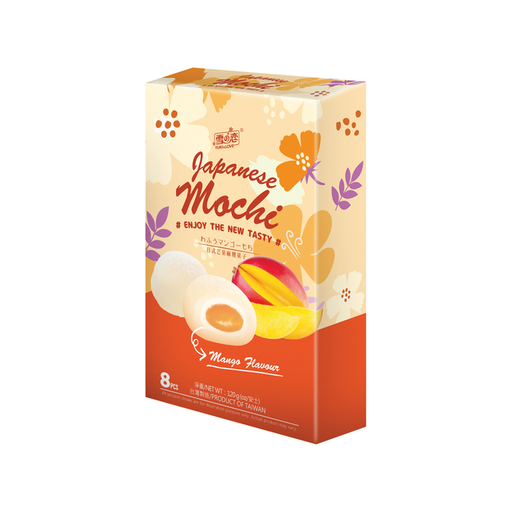
Why This Fits Their Persona: Ideal for lovers of sweet, soft desserts. Perfect as a treat with coffee or tea, or simply as a unique snack with a tropical twist.
The name "Mochi" and the "Mango" flavour immediately clarify that this is a soft, sweet, and fruity Japanese rice cake. It's a ready-to-eat product, so there's no prep hassle.
Soft Texture: The traditional sticky and soft structure of mochi. Rich Filling: A sweet mango filling that pairs perfectly with the neutral flavour of the rice cake.
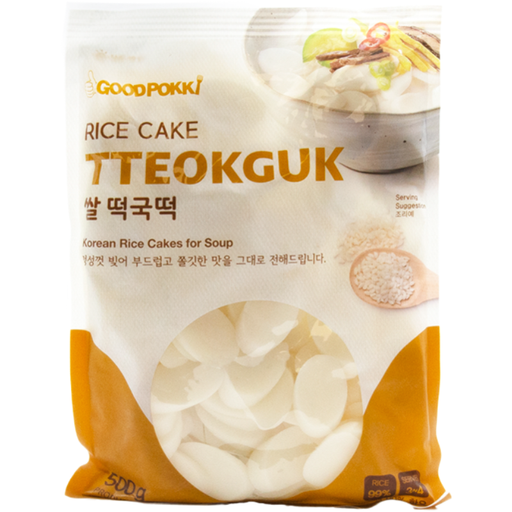
Why This Fits Their Persona: For the home cook who loves to create authentic Korean dishes from scratch. These plain rice cakes are the perfect base for the traditional New Year's soup (tteokguk) or a homemade tteokbokki.
The name "Ricecake For Tteokguk" clearly indicates this is an ingredient, not a ready-to-eat snack. This avoids the "ready-to-eat" misconception and the texture disappointment pitfalls.
Versatile: Can be used in soups, stews, and stir-fry dishes. Bulk Size: The 500g package is ideal for preparing meals for the whole family.
Especially in the world of sweet rice cakes, there's so much more to discover. Explore our full range to find your perfect dessert or snack.
1. What's the difference between tteokbokki and mochi? Although both are made from rice flour, there's a big difference. Tteokbokki is a Korean rice cake, usually cylinder-shaped, with a firm and chewy texture. It's almost always eaten as a savoury or spicy hot meal. Mochi is a Japanese rice cake, often round and filled, with a softer, stickier texture. It's typically eaten as a sweet dessert or snack.
2. How should I store opened rice cakes? It depends on the type. Crispy rice crackers should be kept in an airtight container in a dry place to prevent them from going soft. Soft, fresh rice cakes (like those for tteokbokki) should be refrigerated after opening and consumed within a few days. Filled mochi is best enjoyed immediately after opening, as its texture can change quickly.
3. Are rice cakes gluten-free? Many rice cakes are naturally gluten-free because they are made from rice flour. However, you should always read the ingredient list. Sauces (especially soy-based ones), seasoning mixes, or the manufacturing process can introduce gluten (for example, through added wheat). Products specifically labelled as gluten-free offer the most certainty.
