
Vandaag of morgen in huis

Kwaliteit gegarandeerd

Welkomstaanbiedingen ontgrendelen: GRATIS bezorging | Tot 80% korting | Gratis 30 dagen JoyPlus-proefperiode
Download de app
Choosing the right bag of rice can feel overwhelming. The aisle is lined with packages all promising to be ‘premium’ or ‘authentic’, but what does that really mean? Before you know it, your carefully planned sushi ends up with dry, loose grains, or your Indian curry is served with a gummy mess. Ordering rice online presents even more choice, but also a greater risk of a bad purchase.
As a Joybuy Product Recommendation Officer, I see where things go wrong every day. Many people fall for two common pitfalls:
This guide will help you avoid these pitfalls. We break down the key characteristics of rice, so you know exactly what to look for and can confidently choose the right specialty rice varieties for your kitchen.
Before you put a 1kg of rice in your basket, it's crucial to understand three fundamental properties. These determine the texture, flavour, and success of your meal.
The length of the rice grain is the most important indicator of its texture after cooking.
The way the rice is processed after harvesting has a major impact on its flavour, cooking time, and nutritional value.
The type of starch determines how the rice behaves.
To help you make the right choice, we've matched a few products to specific cooking styles and needs.
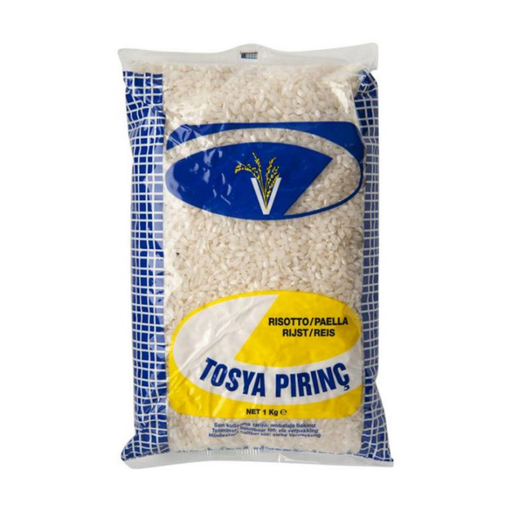
Why This Fits Their Persona: Perfect for those who love making authentic Turkish pilaf, paella, or a creamy risotto. This medium-grain rice is specifically intended for dishes where the rice needs to absorb moisture without becoming mushy.
This isn't generic ‘white rice’. It's a specific Turkish rice (Tosya type) that bypasses the ‘one-rice-fits-all’ pitfall and ensures the right texture in dishes that require a medium grain.
Soft, full flavour and plump grains that absorb moisture well. Versatile for Mediterranean and Middle Eastern dishes.
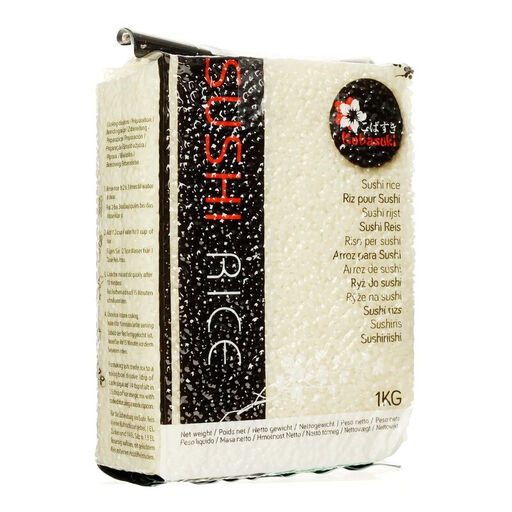
Why This Fits Their Persona: For anyone who wants to roll perfect sushi at home. This rice is specially selected for its sticky properties, which are essential for keeping the rolls in shape.
Prevents the classic mistake of using a long, fluffy rice for sushi. This product is clearly positioned as sushi rice, ensuring you get the right texture and stickiness.
Short, round grains with the ideal starch ratio for stickiness. The vacuum-sealed packaging helps maintain freshness.
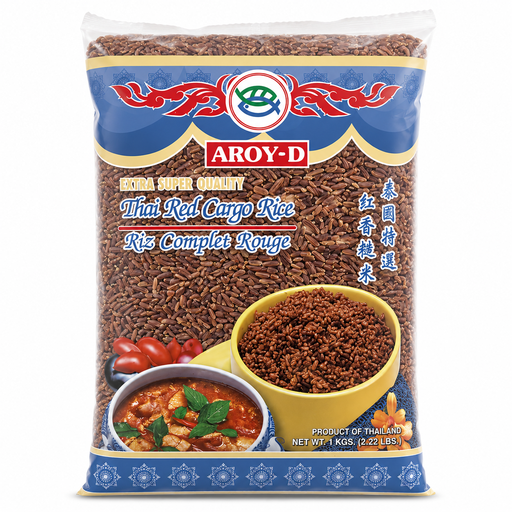
Why This Fits Their Persona: This red rice is a whole-grain product, which means it retains its bran layer. This makes it a source of fibre and nutrients, ideal for those seeking a more nutritious alternative to white rice.
This product is what it claims to be: an unpolished, whole-grain rice. It avoids the pitfall of vague ‘healthy’ marketing by offering an objective, verifiable feature: it is a whole-grain product.
Rich in fibre with a nutty flavour and a firm, pleasant texture. The reddish-brown colour also adds a beautiful visual element to dishes.
The right rice can transform your dish. If you want to explore more options that meet clear criteria, check out our full assortment.
Although both are long-grain, aromatic rice varieties, there are clear differences. Jasmine rice primarily comes from Thailand and has a soft, slightly floral aroma and a somewhat sticky texture. Basmati rice, originating from India and Pakistan, has a more nutty aroma and cooks up very dry, with long, separate grains.
To maintain freshness and prevent pests, it is advisable to transfer the rice to an airtight container after opening. Store it in a cool, dark, and dry place, such as a kitchen cupboard, away from heat sources and direct sunlight.
For most types of rice, washing is good practice. It rinses excess starch from the outside of the grains, which helps prevent the rice from becoming too sticky and results in fluffier grains. For sushi rice, washing is essential to achieve the correct texture. The only exception is risotto rice, where you actually need the starch to make the dish creamy.
