
Vandaag of morgen in huis

Kwaliteit gegarandeerd

Welkomstaanbiedingen ontgrendelen: GRATIS bezorging | Tot 80% korting | Gratis 30 dagen JoyPlus-proefperiode
Download de app
When you buy rice and breakfast cereals online, you often look first at price, packaging and attractive claims. Yet it’s the ingredients list, preparation method and quantity that really determine whether a product fits your household. That goes for families, meal preppers, fans of Thai or Japanese cuisine, and shoppers looking for a fibre-rich breakfast option.
Words like “high in fibre”, “multigrain” or “calcium-enriched” don’t tell the whole story. Always check:
For example, a product may contain oats but also sugar, milk powder or other grains. With healthy breakfast cereals, the ingredients list is therefore more important than the front of the pack.
Thai jasmine rice is aromatic and, according to the product description, becomes soft and fluffy after cooking. Sushi rice, on the other hand, is a short-grain Japonica rice whose stickiness makes it ideal for sushi, onigiri and rice bowls. Use the wrong type and the texture can disappoint.
Wholegrain rice, red rice and multigrain rice often have a firmer bite and may need longer cooking times or more water. That works well in salads, bowls and meal prep, but less so when you want a soft rice to serve quickly with a curry.
A bag of rice 10 kg or rice 20 kg can be practical for a large family, restaurant or intensive meal prep. For a small household, though, such a pack takes up a lot of space. Once opened, dry rice must be stored in a cool, dry, airtight place away from direct sunlight.
Also look out for damaged vacuum packs. With the SAWAT-D Multi Grain Rice 1 kg, for instance, vacuum packaging is mentioned as part of the product presentation. Always check on delivery that the packaging is intact.
Pure rice products, such as 100% Thai jasmine rice or 100% Japonica rice, have a short ingredients list. Mixed rice products, on the other hand, may contain brown rice, red rice, black rice, barley, beans, sesame or other grains.
For example:
If you have an allergy or follow a specific diet, always check the label on the pack you receive. Online product information can change.
Compare products on the same basis. The stated nutritional values vary:
These are product specifications from the available product descriptions, not a guarantee of any particular effect. Also look at portion size: a breakfast product that is low in sugar per 100 grams can still turn out differently in your daily diet because of toppings or added sweeteners.
For rice, the ratio of water, cooking time and resting time is key. According to the product information, red rice is prepared with roughly one part rice to two parts water and cooks for about 20 to 30 minutes. Japonica rice usually needs less water and is left to rest covered for 10 to 15 minutes after cooking.
With breakfast cereals, the ease of use varies:
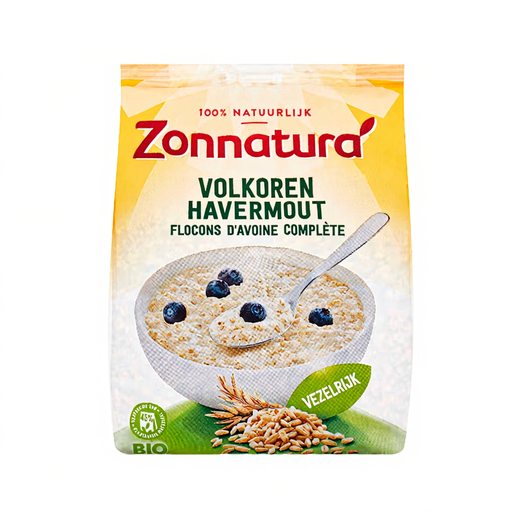
Why this fits: A straightforward bag for anyone wanting to try organic porridge oats without buying a large quantity straight away.
The packaging clearly states 100% organic wholegrain oats and shows allergens and nutritional values.
11 grams of fibre and 11 grams of protein per 100 grams according to the product information; 500 gram size.
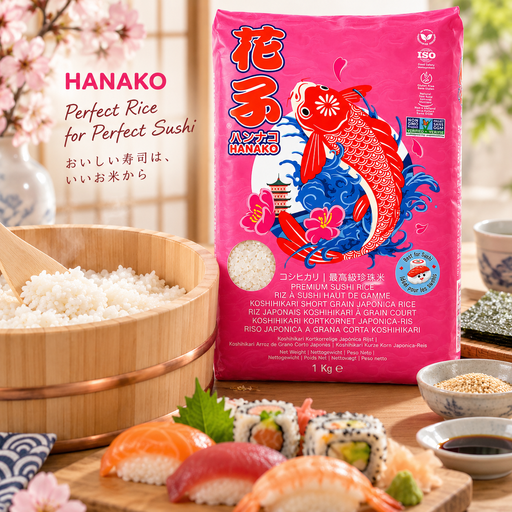
Why this fits: Designed for sushi, onigiri, donburi and other Japanese rice dishes.
The product description explicitly mentions short-grain Japonica rice and a suitable sticky texture.
100% Japonica rice, vacuum packaging and a specific water ratio of roughly 1 to 1.1–1.2.
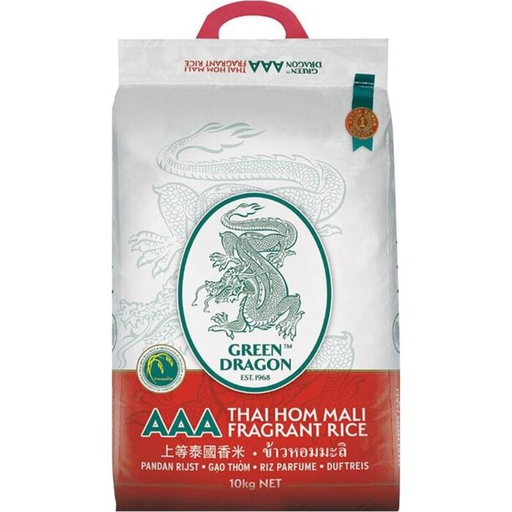
Why this fits: Handy for families, catering kitchens and households that often cook Thai dishes.
The product page mentions Thai jasmine rice and the 10 kg content; check the actual packaging on delivery.
Large bulk pack with a rice variety that, according to the product description, is aromatic and suitable for everyday meals.
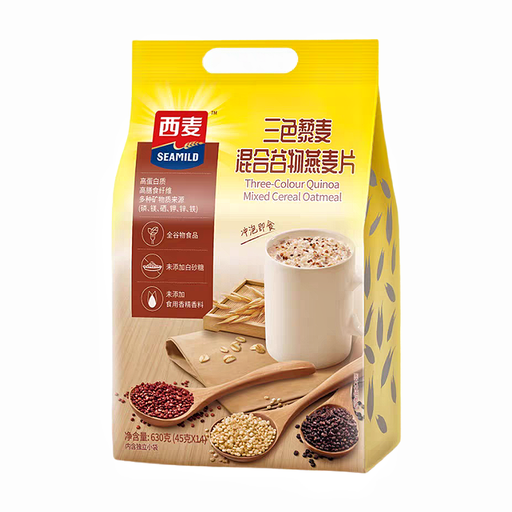
Why this fits: For anyone who wants to combine quinoa breakfast cereal, oats and other grains in one breakfast.
The ingredients and allergens are clearly listed, including gluten-containing grains and sesame.
14 grams of protein per 100 grams according to the product information, and can be prepared hot or cold.
Browse a current selection of wholegrain cereals and compare ingredients, pack sizes and uses before you order.
With wholegrain rice, more parts of the grain are retained. As a result, the grains are often firmer and the cooking time can be longer. Red rice and multigrain rice also have a distinct bite. Always check the preparation instructions for the specific product.
A 1 kg pack is practical for trying out a rice variety first. For regular use, rice 5 kg or rice 10 kg makes more sense. Rice 20 kg is mainly suitable when you cook a lot, have a large household or work professionally. After opening, store a large bag airtight and dry.
Not automatically. Products containing milk powder may contain milk, and some varieties also contain soya, wheat, oats or sesame. Calcium enrichment is stated on the label, but says nothing about personal suitability. Check allergens, sugar, salt and portion size before making a choice.
