
Freezing small portions
You chop rhubarb occasionally and want to check whether your existing freezer has enough room.


For small portions of chopped rhubarb, you may not need a separate freezer: use your existing freezer space first if the portions fit and it reaches around −18 °C, the ideal freezer temperature according to the Netherlands Nutrition Centre. If you regularly run out of space, choose a freezer based on where you can put it and how much you freeze at a time. Also compare annual energy consumption and whether you want to defrost it manually.
You chop rhubarb occasionally and want to check whether your existing freezer has enough room.
You often freeze several portions at once and need extra space to store your food neatly.
You need extra freezer space, but the available area and room to open the door limit your options.
First check whether your existing freezer has enough space. If you need more, choose a size that suits your usual portions and the space available.
| Consideration | What to look for | Who should give this more weight? |
|---|---|---|
| Extra space | Count your portions and other frozen food. Check your current freezer first, then measure the available space and door clearance. | If my portions fit in my existing freezer compartment, I’d rather not buy another appliance without good reason. Around 36% of consumers are primarily looking for extra space that suits their needs. |
| Batch freezing and layout | Compare the drawers and stated freezing capacity in kg per 24 hours with what you add at a time. Check that your containers will fit. | If I freeze several portions at once, I want to be able to find them separately. Around 29% of consumers prioritise organising batches and keeping them easy to find. |
| Energy consumption | Compare the stated annual consumption in kWh for the exact models. An energy label alone doesn’t show annual consumption. | If I only need a little extra freezer space, I want to know whether the extra energy use of a second appliance is worth it. Around 21% of consumers see the additional energy consumption as their main consideration. |
| Defrosting | Check whether each model has No Frost, and note its dimensions and annual energy consumption. | If I need an extra freezer but would prefer to defrost it manually less often, this feature matters. Around 14% of consumers prioritise less defrosting. |
Your current freezer may be enough for a few small portions, and an extra appliance uses electricity too.
Count how many portions will fit and check whether your freezer can maintain the recommended freezing temperature.
Capacity doesn’t tell you whether your portion containers will fit in the layout, and you’ll also need room for the appliance itself.
Measure the space for the freezer and the clearance needed to open the door. Then compare the drawers with the dimensions of your usual containers.
No Frost helps prevent ice build-up and reduces the need to defrost. The Netherlands Nutrition Centre doesn’t say it’s necessary for freezing rhubarb.
Prioritise this feature only if you want to defrost manually less often. Also compare the dimensions and annual energy consumption.
Inventum lists energy class D for the VR550, while the Consumers’ Association lists class E for the same model name.
Before buying, check the energy label and product information sheet for the exact version, and compare its stated consumption in kWh per year.
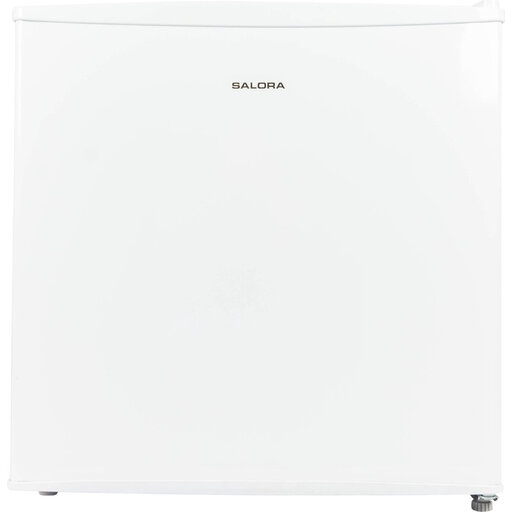
The TFM4402W is a freestanding mini freezer for anyone who needs a little extra space.
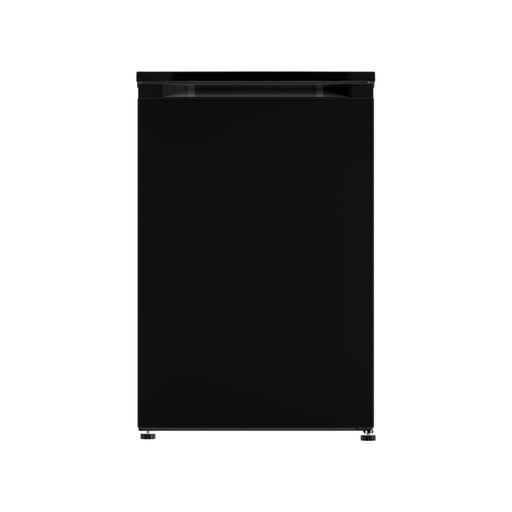
The VR550 is a freestanding under-counter model with drawers, ideal if you want to keep portions separate.
The FNE1074N is an under-counter model with No Frost.
The FNe 1404 is an under-counter model with No Frost.
The GTV15NWEB is an under-counter model without No Frost.
This selection includes freestanding mini freezers and under-counter models for anyone looking for extra space to store portions separately or in batches.
 No image available
Its three drawers, one of which is transparent, make it easy to keep portions separate.
Capacity: 60 litres. Stated freezing capacity: 6 kg per 24 hours. The door is reversible and the temperature is adjustable. The product specifications say it doesn’t have No Frost.
 No image available
Its compact capacity suits anyone looking for a little extra freezer space and freezing small batches.
Capacity: 31 litres. Stated freezing capacity: 2 kg per 24 hours. The description mentions two compartments with a wire shelf between them and an adjustable thermostat.
 No image available
The compartments can help you keep different portions separate.
Capacity: 60 litres. Stated freezing capacity: 6 kg per 24 hours. The description mentions three compartments, an adjustable thermostat and a reversible door.
 No image available
The three transparent drawers can be handy if you want to store portions separately. A capacity of 85 litres may be more than you need if you’re only freezing rhubarb.
Stated freezing capacity: 4,5 kg per 24 hours. Stated annual energy consumption: 105 kWh. The door is reversible and the freezer needs to be defrosted manually.
 No image available
The three drawers are designed to keep portions separate. A capacity of 87 litres may be more than you need if you’re only using the freezer for small batches of rhubarb.
Stated freezing capacity: 4,4 kg per 24 hours. Stated annual energy consumption: 84 kWh.
No. According to the Netherlands Nutrition Centre, you can freeze rhubarb without blanching it. It says raw rhubarb will keep in the freezer for one year; after that, its quality may deteriorate.
The Netherlands Nutrition Centre recommends −18 °C as the ideal freezer temperature. Check the setting on your existing freezer and, if you buy a new one, follow the instructions for the exact model.
No, No Frost isn’t essential for freezing rhubarb. The feature can reduce the need to defrost manually, so check whether it’s included on each model.
Store the portions in well-sealed containers and note what’s inside and the date you froze them. The Netherlands Nutrition Centre recommends labelling prepared food with its contents and freezing date.
Compare the stated annual consumption in kWh with your own electricity tariff. According to the Dutch government, when you buy online from a business, you’re usually entitled to a 14-day cooling-off period, although exceptions may apply. The statutory guarantee entitles you to a product that works properly; there is no fixed statutory guarantee period in the Netherlands. If something goes wrong, contact the seller.