
Vandaag of morgen in huis

Kwaliteit gegarandeerd

Welkomstaanbiedingen ontgrendelen: GRATIS bezorging | Tot 80% korting | Gratis 30 dagen JoyPlus-proefperiode
Download de app
A reusable lunch box can help cut down on daily waste and disposable packaging, but not every model suits every meal. A box that works well for sandwiches may not be suitable for yoghurt, soup or a meal prep with several components. So don’t choose based only on colour, shape or an attractive offer.
The most common pitfalls when buying one are:
First, think about what you want to use the lunch box for. 304 and 316 stainless steel are common materials for food containers. Stainless steel is strong, suitable for hot and cold dishes, and relatively easy to clean. According to Maxcook’s product description, the 316L range is designed for storage in the fridge and freezer and is dishwasher-safe. However, the set mentioned isn’t suitable for the microwave and should be kept away from naked flames.
Glass food storage containers are handy when you want to see what’s inside at a glance. According to the product information, the 5five borosilicate glass container is suitable for the fridge, freezer, microwave without the lid, and dishwasher. Always check the stated temperature limits and avoid sudden temperature changes – for example, don’t put very cold glass straight into contact with boiling food.
Pay attention to the lid, too. A stainless steel container may have a lid made from plastic and silicone. The product description for the Maxcook set, which includes 600, 1100 and 2200 ml containers, states that only the stainless steel containers are dishwasher-safe; the PP lids are designed for hand washing.
A leakproof lunch box needs more than a clip-on lid. Check whether it has a silicone sealing ring, clips or another type of fastening. Also look for any limitations specified by the manufacturer. The PURECOOK models with one or two compartments use a silicone ring and metal clips. According to the product information, these help prevent spills when the box is carried upright. For soup or very wet food, carrying it upright is strongly recommended.
If you’re taking liquid dishes with you, a food flask may be more practical than a flat lunch box. The Maxcook insulated food flask has a capacity of 1.5 litres, a wide opening and a vacuum-insulated stainless steel design. The product description states that it keeps food hot or cold for 4 to 6 hours. The flask should be hand-washed and the lid shouldn’t be immersed for long periods.
Start by working out your portion size. For snacks and fruit, 600 to 800 ml is often enough. A meal for an adult usually needs more space, depending on what’s in it. For meal prep, several food storage containers in different sizes are more practical than one large container for everything.
A bento lunch box, or a lunch box with compartments, is a good choice if you want to take rice, vegetables and fruit separately, for example. Check the following:
More compartments don’t automatically mean more flexibility. A fixed layout can be awkward for large portions or dishes with sauce. If you mainly store leftovers, separate meal prep containers are often more practical.
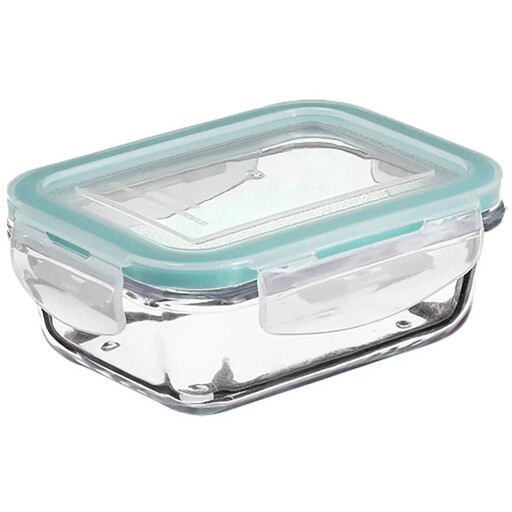
Why it suits this profile: A single container with a handy capacity for lunch, leftovers or chopped vegetables.
The product information lists the fridge, freezer, microwave without the lid and dishwasher as suitable uses. So the lid isn’t automatically suitable for all of them.
0.8-litre capacity, transparent borosilicate glass and, according to the product description, a clip fastening.

Why it suits this profile: Four matching 1,600 ml containers are ideal for larger quantities of leftovers and meal prep.
The limitations are clearly stated: don’t use in the microwave or over a naked flame. This helps prevent stainless steel from being used incorrectly.
316L stainless steel, four 1,600 ml containers and, according to the product description, suitable for the freezer and dishwasher.
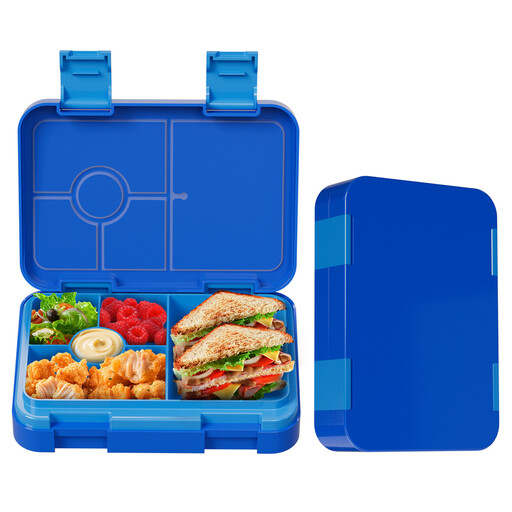
Why it suits this profile: Handy for children, sports enthusiasts and office workers who want to take a range of snacks or meal components with them.
The five fixed compartments help keep dry ingredients separate. For liquid dishes, it’s still important to check the fastening and carry the box in the right position.
Five compartments and double fastenings, ideal for varied lunches and snacks.

Why it suits this profile: The 600, 1100 and 2200 ml sizes suit everything from snacks and individual lunches to larger portions.
The product information distinguishes between the dishwasher-safe stainless steel containers and the lids, which need to be hand-washed. This helps prevent incorrect cleaning.
Three capacities, suitable for freezer storage and designed to stack when empty.
We’ve put together a complete, up-to-date list of products that meet these strict selection criteria and the applicable European safety regulations.
It depends on the component. Check the information for the container, lid, silicone ring and clips separately. Some stainless steel containers are dishwasher-safe, while plastic lids need to be hand-washed. Remove detachable seals if the care instructions allow it, and make sure all parts are thoroughly dry.
Don’t overfill the box, check that the sealing ring is in place correctly and close all the clips fully. Keep a lunch box containing liquid food upright, unless the product information specifically says it can be carried in other positions. For soup, an insulated food flask with a wide opening may be more practical than a flat box.
Its lifespan depends on the material, fastening and care. Stainless steel and glass can last a long time with normal use, but silicone rings and plastic clips can wear out over time. Replace a container if you notice cracks, permanent warping, rust or a fastening that no longer seals properly.
