
Vandaag of morgen in huis

Kwaliteit gegarandeerd

Welkomstaanbiedingen ontgrendelen: GRATIS bezorging | Tot 80% korting | Gratis 30 dagen JoyPlus-proefperiode
Download de app
A reusable kitchen roll might seem like a straightforward purchase, but the differences between rolls and cloths are significant. Some sheets tear as soon as they get wet, while others barely absorb any oil. What’s more, “reusable” isn’t always used in the same way: a cloth can be rinsed out several times, whereas a thick sheet is mainly designed to last longer during a single cleaning session.
For households and families, the choice usually comes down to three things: sufficient absorbency, a practical size, and packaging that doesn’t run out too quickly. The points below will help you avoid paying for little more than a marketing term.
Check whether the cloths can be washed according to the product description. With some products, “reusable” means you can use a sheet again while it’s dry or slightly damp during the same cleaning round. Other variants are intended to be thrown away after use. The latter can be practical for raw food scraps, grease, or bathroom dirt, but it creates more waste.
A pack of 200 sheets of kitchen roll sounds generous, but the number tells you nothing about the dimensions, thickness, or strength. Four rolls with 50 sheets each can actually be more convenient than one compact roll, especially if you keep one roll in the kitchen and another in the bathroom.
A cloth that soaks up a lot of water doesn’t automatically remove baked-on grease. For oil and grease, you need a sturdy surface and enough cloth volume. So look out for terms like oil-absorbing cloths, thickness, grammage, and suitability for use on wet and dry surfaces. Avoid unsubstantiated claims about bacteria or health; focus on the concrete product information and use the cloth according to the instructions.
Thick cleaning cloths generally stay easier to handle when they’re damp. A higher grammage usually means more material per square metre, but it’s no guarantee of a particular cleaning result. Also consider the size: larger sheets are handy for a hob or table, while smaller cloths use less material for a quick crumb clean-up.
Damp and dry cleaning cloths are versatile for everyday use. When dry, you can use them for dust, crumbs, and loose debris. When slightly damp, they’re suitable for worktops, tables, and other surfaces that the manufacturer says can be cleaned with water. For a greasy hob, you may want to use a suitable cleaning product and follow the surface instructions.
For spilled liquid, absorbent kitchen cloths are practical. For glass and appliances, a microfibre cloth may be more suitable, as it’s designed according to the product description to remove dust and small dirt particles without leaving streaks. Always check whether a cloth sheds lint and whether it needs to be rinsed or washed after use.
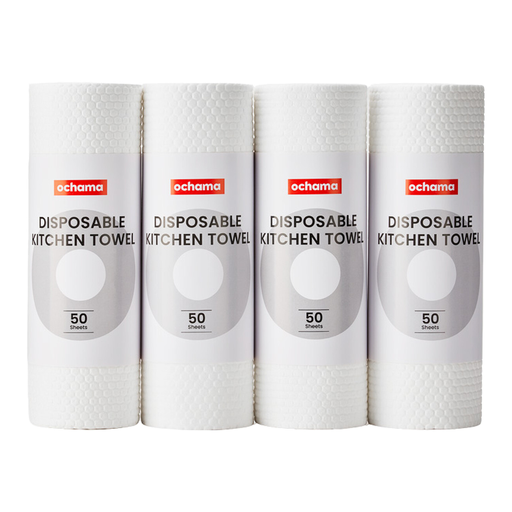
Why this fits the profile: The pack contains 4 rolls with 50 sheets each. That gives households a stock for daily spills, wiping down, and quick cleaning rounds.
The number of sheets and the roll breakdown are clearly stated. The product description mentions a thickened design and use for water and oil. However, check before purchase what “reusable” means on the packaging exactly; the description also mentions disposable use.
200 sheets, large size according to the product information, and suitable for dry or damp use.
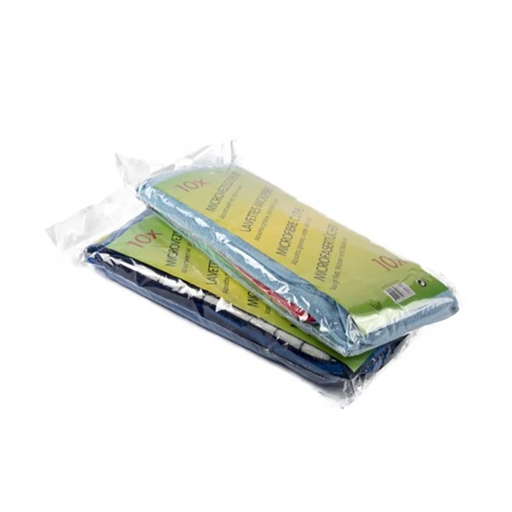
Why this fits the profile: If you prefer to use less disposable material, you get ten reusable microfibre cloths for the kitchen, bathroom, glass, and other surfaces.
Instead of relying solely on “extra thick”, the care instructions are clearly described: rinse or wash, air dry, and do not use fabric softener.
Ten pieces per pack and, according to the product description, suitable for wet and dry use on multiple surfaces.
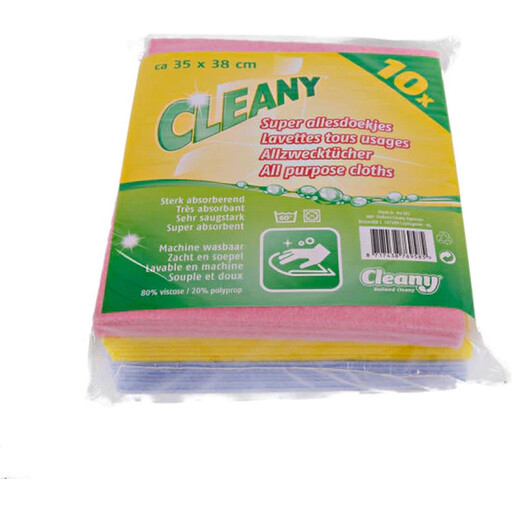
Why this fits the profile: These washable cloths are ideal for intensive cleaning where you want to rotate several cloths daily in the kitchen and bathroom.
The size of 35 × 35 cm and a pack of ten are clearly stated. This means you can estimate in advance how much surface area one cloth can cover.
Ten cloths, machine washable according to the product description, and intended for wet cleaning.
We’ve put together a full, up-to-date list of products that fully meet these strict selection criteria and comply with current European safety regulations.
That varies by product. Some sheets are suitable for dry and damp use and can be reused briefly. Other products are called “reusable” because of their sturdiness, but according to the product description they are intended as disposable cloths. So always check the usage and care instructions.
That depends on the purchase price, lifespan, washing frequency, and the number of cloths you use. Washable cloths can produce less waste, but they require maintenance. A roll with lots of thick sheets is handy when you want to clean quickly without washing. Compare the price per sheet or per use rather than just the pack price.
Look for product information about water and oil absorbency, thickness, and size. A sturdy, larger cloth is practical for hobs and worktops. For stubborn grease, use a suitable cleaning product and follow the surface care instructions. No cloth replaces the right cleaning method for every material.
