
Vandaag of morgen in huis

Kwaliteit gegarandeerd

Welkomstaanbiedingen ontgrendelen: GRATIS bezorging | Tot 80% korting | Gratis 30 dagen JoyPlus-proefperiode
Download de app
A reusable kitchen roll might seem like a straightforward product, but the differences between rolls and wipes are significant. Some sheets tear the moment they get wet, while others absorb water well but leave grease behind. What’s more, “reusable” can be confusing: sometimes it refers to a wipe that can be used several times, and other times it means a thick sheet suitable for more than one cleaning task before being thrown away.
For households in the UK, three things matter most: sufficient absorbency, strength when wet, and a format that fits your cleaning routine. Below, we’ve outlined the key points to consider, along with some popular choices for different usage profiles.
A high number of sheets doesn’t automatically mean you’re spending less. Thin paper can tear more easily, meaning you’ll need several sheets for a single spill. So don’t just compare the number of sheets or rolls – also look at:
A maxi roll with larger sheets can be more practical for a big hob, whereas smaller sheets are handy for crumbs or a quick wipe of the table.
Water and oil behave differently. A wipe that quickly soaks up moisture isn’t necessarily suitable for a greasy hob. For oil-removing wipes, look for a product description that explicitly mentions oil or grease absorption. Also check that the sheet doesn’t fall apart when you clean a greasy surface.
With some products, “reusable” can mean that a sheet can be used again for a short cleaning task. That’s not the same as a washable cloth that lasts a long time. For ochama wipes, the product information mentions both reusable use and disposal after use. So read the usage instructions and decide in advance whether you want to use the wipe for one task, multiple surfaces, or only dry use.
For wet and dry cleaning, you need a wipe that not only holds water but is also easy to wring out or replace. Thick cleaning wipes can be great for spilled liquids and larger surfaces. For dust, crumbs and dry debris, a dry sheet is often sufficient.
Pay attention to the combination of:
A brand’s claim about performance is not a universal guarantee. According to the product description from ochama, the wipes are thickened and designed for water and oil absorption. Treat this as a product specification to compare with your own use, not as a promise for every cleaning situation.
A common problem with disposable kitchen towels is that they go limp when wet. Product information such as “stays strong when wet” or “doesn’t fray” can be relevant for cleaning worktops, tables and splashbacks. Nalys Xtra Power is described in the product information as paper that stays strong when wet and doesn’t fray.
For heavy-duty tasks, it’s better to use a thicker sheet or a wipe with multiple layers. For light hand drying or small crumbs, 2-ply kitchen paper is often sufficient.
A disposable kitchen wipe can be handy when you don’t want to move a cloth from the worktop to the bathroom. It’s best to use separate wipes for:
If a wipe is visibly dirty or greasy, it’s better to replace it than to spread it across multiple surfaces. Always follow the instructions on the packaging and dispose of used wipes according to local waste regulations.
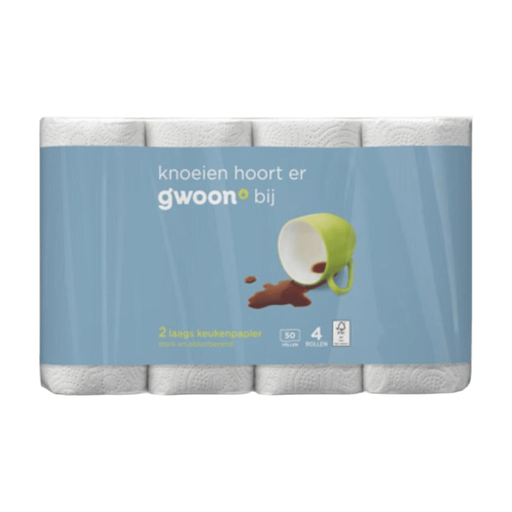
Why this fits the profile: A straightforward choice for everyday use – drying hands, small spills and light cleaning tasks.
The description states the paper is strong and absorbent, so you don’t have to rely solely on the number of rolls.
2 layers and 4 rolls; suitable for general household tasks.
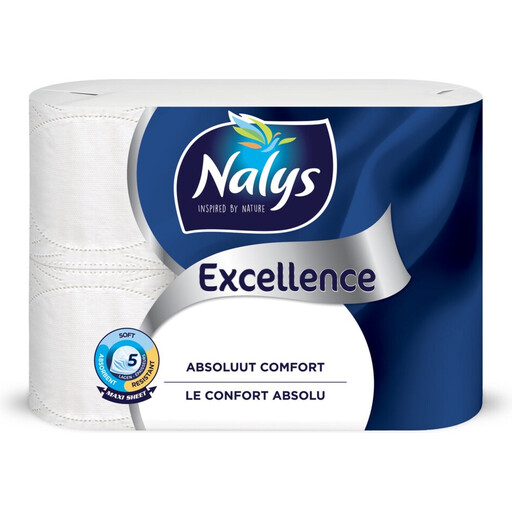
Why this fits the profile: Ideal for those who want larger, thicker sheets for more intensive daily use.
The specifications mention 5 layers and larger sheets, so you’re not just relying on marketing words like “extra strong”.
5-ply construction; maxi sheets; pack of 6 rolls.
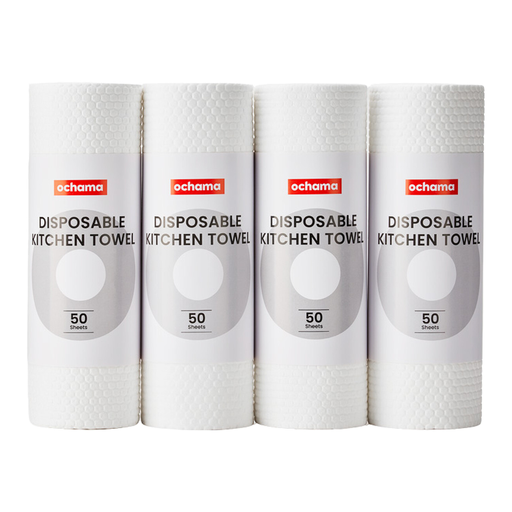
Why this fits the profile: Handy for busy households that want one supply for the kitchen, table, living room and bathroom.
According to the product information, the wipes are thickened and designed for dry and damp use. Do check the instructions before treating them as a washable cloth.
200 sheets across 4 rolls; large size; designed for water and oil stains.
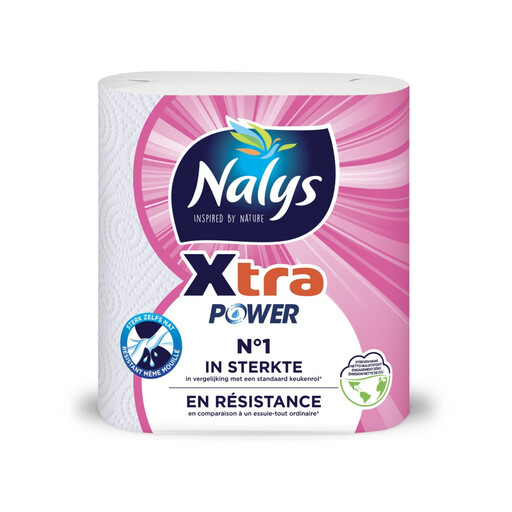
Why this fits the profile: A practical choice for hobs, worktops and other areas where wet residue needs to be quickly absorbed.
The product description states that the paper stays strong when wet, doesn’t fray and absorbs moisture.
Multi-use designation; 2 rolls; described as suitable for wet use.
We’ve put together a full, up-to-date list of products that fully meet these strict selection criteria and comply with current European safety regulations.
That depends on the task. A reusable kitchen roll or thick cleaning wipe can be handy for several short tasks, whereas traditional kitchen paper is practical when you want to throw a wipe away immediately. Compare the use per sheet, the strength when wet, and the desired hygiene for each surface.
The lifespan depends on the material, the amount of dirt, and whether the wipe is washed or thrown away. There is no fixed usage duration for all products. Check the product instructions and replace a wipe as soon as it tears, becomes heavily soiled, or no longer absorbs properly.
You can, provided the product description supports this use. Use separate wipes for the kitchen and bathroom to limit the spread of dirt. For smooth surfaces, you can use a wipe dry for dust or slightly damp for stains. Only use cleaning products according to the label and follow the safety instructions.
