
Vandaag of morgen in huis

Kwaliteit gegarandeerd

Welkomstaanbiedingen ontgrendelen: GRATIS bezorging | Tot 80% korting | Gratis 30 dagen JoyPlus-proefperiode
Download de app
Switching from disposable to reusable freezer bags seems like a simple choice for anyone looking to live more sustainably and reduce food waste. However, the reality is often more complex. Many products overpromise and underdeliver, resulting in a freezer full of freezer burn and a kitchen drawer full of useless bags.
Before you invest in a new set, it's wise to understand the common pitfalls. This will prevent you from wasting money on a solution that causes more frustration than convenience.
A good reusable freezer bag is more than just a plastic bag you can wash. The right choice depends on the material, the seal, and the design. By focusing on these three points, you can select a product that truly performs.
Most reusable bags are made of PE (polyethylene) or silicone. While fine for many uses, composite materials often offer superior performance. A prime example is aluminium-lined food storage bags. These consist of multiple layers, such as PET, aluminium (AL), and PE.
The aluminium layer acts as a barrier against light and oxygen, which slows down oxidation and preserves freshness more effectively. This makes them particularly suitable as freshness bags for meat and fish. Furthermore, this material helps prevent odor transfer.
A simple press-to-seal closure can lose its grip over time. For a reliable, airtight seal, leak-proof freezer bags with a slider closure are a solid choice. This type of seal doesn't just click shut; it's slid closed across the entire width, significantly reducing the risk of air and moisture getting in. This is crucial for preventing freezer burn and leaks.
Well-designed reusable food storage bags make life easier. Look for the following features:
Based on these objective criteria, we have selected several products that suit different user profiles.
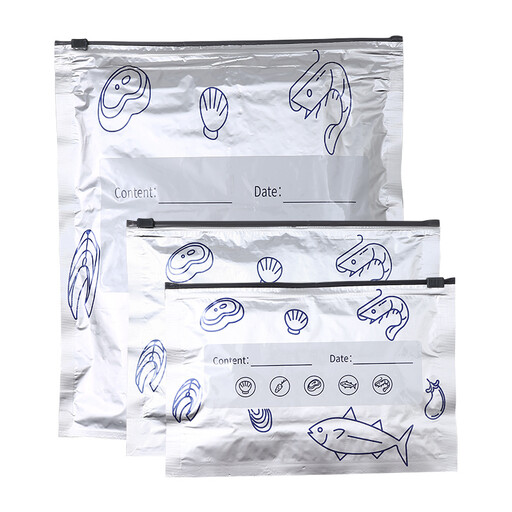
Why This Fits Their Persona: For those who freeze everything, from soups and leftovers to delicate fish or a large cut of meat. The three different sizes in this set make it a true workhorse for any kitchen.
The multi-layer construction with aluminium is sturdy and withstands washing. The slider closure prevents leaks, and the aluminium layer blocks odor transfer.
Light- and odor-blocking aluminium layer; reliable slider closure; stand-up design for easy filling and storage in three sizes.
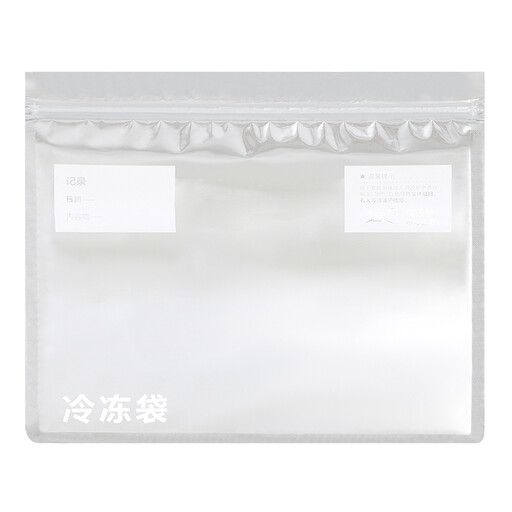
Why This Fits Their Persona: An ideal starter set for making the switch from disposable bags. This set offers an affordable way to experience the benefits of a better seal and sturdier material.
Provides a more reliable, secure seal than most cheap disposable bags, significantly reducing the risk of freezer burn and minor leaks.
Compact set of 8 in a convenient size (23x27cm); a great, low-barrier introduction to reusable options.
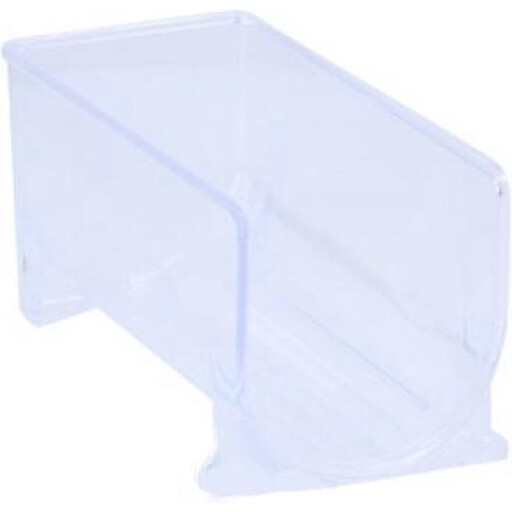
Why This Fits Their Persona: For those who prefer a meticulously organized freezer with perfectly stackable, rigid containers instead of flexible bags. Ideal for fruit, vegetables, or meal components.
Completely eliminates the risk of tearing or sagging. The rigid, shape-retaining structure protects delicate food and prevents leaks when closed correctly.
Stackable and rigid for an organized fridge or freezer; transparent for quick content identification; dishwasher-safe.
We have compiled a complete, up-to-date list of products that meet these selection criteria for food storage and freezing.
For most reusable bags, handwashing is the recommended method to maximize their lifespan. Use lukewarm water, a mild dish soap, and a soft sponge or brush. Turn the bags inside out to dry thoroughly before storing them. This prevents mold growth. Some products, like rigid containers, are dishwasher-safe; always check the product information for this.
No, bags containing a metal or aluminium layer should never be used in the microwave. The metal can cause sparks and damage your microwave. These bags are intended exclusively for storage in the refrigerator or freezer. Always read the product's safety warnings.
A stand-up freezer bag has a flat, expandable bottom. This allows the bag to stand upright on its own on the counter. This makes filling, especially with liquids like soup or sauce, much easier and reduces the chance of spills. Once filled, they can also often be organized more efficiently in a freezer drawer.
