
Vandaag of morgen in huis

Kwaliteit gegarandeerd

Welkomstaanbiedingen ontgrendelen: GRATIS bezorging | Tot 80% korting | Gratis 30 dagen JoyPlus-proefperiode
Download de app
Freezing food is a smart way to save money and reduce waste. But it's incredibly frustrating when your carefully stored meal is covered in ice crystals (freezer burn) after a few weeks, or when a leaking bag creates a mess in your freezer. Switching to reusable freezer bags seems like the solution, but not all bags live up to their promises.
Many consumers fall into a few common traps. It's a waste of your money and your food. Pay attention to the following points before making a purchase:
A good choice depends on a few objective features, not on marketing buzzwords.
To avoid buyer's remorse, it's wise to focus on the specifications that truly matter. These are the three most important factors that determine the quality and usability of reusable freezer bags.
The material determines the durability and the level of protection the bag offers. Standard zipper bags for the freezer are often made from a single layer of polyethylene (PE). For better performance, look for multi-layered materials.
An interesting option is aluminum foil food storage bags. These consist of a composite of PET, aluminum (AL), and PE. According to the manufacturer Maxcook, the aluminum layer blocks light and oxygen, which slows down oxidation and better preserves freshness. This effectively makes them insulated freezer bags, which better protect the contents against temperature fluctuations when the freezer door is opened.
The seal is perhaps the most critical component. A bag is only truly a leak-proof food bag if its seal is 100% reliable. There are two common types:
For freezing soups, sauces, or marinated meat, a reliable, leak-proof seal is not a luxury but a necessity.
Good reusable food storage bags offer more than just storage. Look for details that enhance usability:
Not everyone has the same needs. That's why we've highlighted a few options that suit different user profiles, based on their objective specifications.
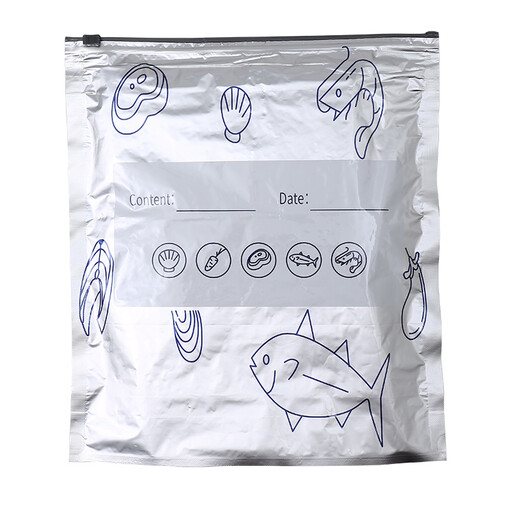
Why This Fits Their Persona: Ideal for those who want to maximize the freshness of meat, fish, and other delicate foods. Suitable for serious home cooks who buy in bulk and freeze for longer periods.
The multi-layer construction with aluminum is highly robust and resistant to freezing temperatures. The slider closure ensures a reliable, airtight seal that prevents freezer burn and leaks.
The aluminum layer blocks light and air, which the manufacturer claims slows down oxidation. The stand-up design and writable label help keep your freezer organized.
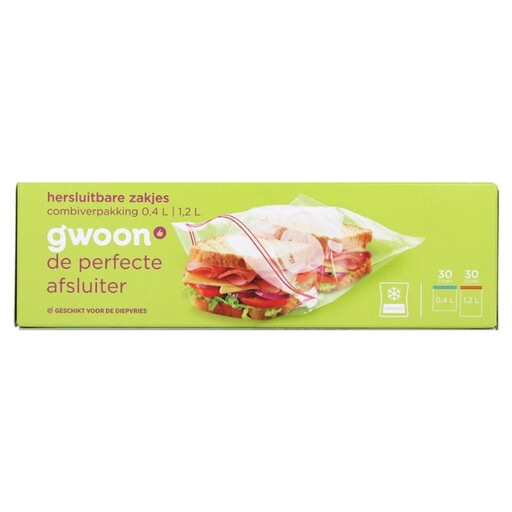
Why This Fits Their Persona: A practical choice for those who want to start using reusable bags without a large investment. The two sizes are convenient for all sorts of foods, from snacks to leftovers.
These are not flimsy sandwich bags. They are made from a sturdier, food-safe material designed for reuse. The press-to-seal closure is reliable for general freezer use.
Excellent value with a set of 60 bags in two popular sizes (0.4L and 1.2L). They are transparent, so you can see the contents at a glance.
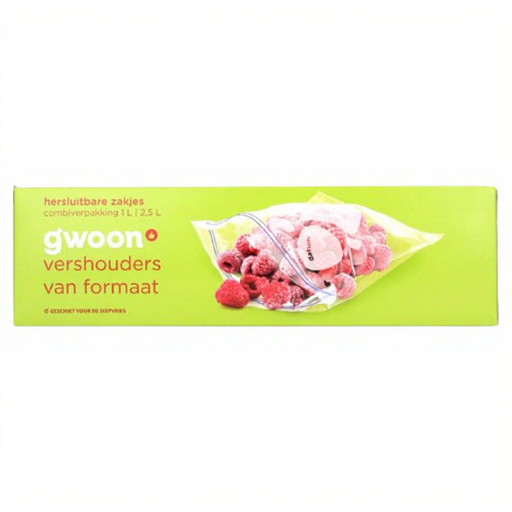
Why This Fits Their Persona: Perfect for meal preppers and families who need a reliable, standard-size bag for portions of soup, sauce, chopped vegetables, or single-serving meals.
These bags are specifically designed as reusable food bags and are noticeably sturdier than disposable versions. The seal is made to be opened and closed many times without losing its strength.
The 1-litre size is a versatile standard. The bags are transparent for a quick overview and are easy to clean by hand for the next meal.
We've compiled a complete, up-to-date list of products that meet these selection criteria and comply with current regulations.
The recommended method is to hand wash with lukewarm water and a mild dish soap. Use a soft sponge or brush to clean the inside. Most importantly, allow the bag to air dry completely before storing or reusing it. Place the bag upside down over a glass or bottle to ensure the inside dries thoroughly and to prevent bacterial growth.
No, this is a common mistake. Always read the manufacturer's specifications. Bags that contain metal (aluminum), like the Maxcook bags, should never be put in the microwave. The high temperatures of a dishwasher can damage most plastic bags and their seals, causing them to lose their shape or sealing ability. Hand washing is almost always the safest and best method.
An airtight bag is the first and most important step. The second step is to push as much air out of the bag as possible before you seal it. Excess air in the bag contains moisture, which can freeze into ice crystals on your food and cause dehydration (freezer burn). Gently roll the bag up from the bottom, pushing the air out as you go, and only then seal it shut.
