
Vandaag of morgen in huis

Kwaliteit gegarandeerd

Welkomstaanbiedingen ontgrendelen: GRATIS bezorging | Tot 80% korting | Gratis 30 dagen JoyPlus-proefperiode
Download de app
A retinol serum can be a useful addition to a routine for visible fine lines, wrinkles, uneven skin texture or loss of elasticity. However, it is not a product you should simply apply generously every evening. The formula, concentration and instructions determine how easily your skin can adjust to it.
As a Joybuy Product Recommendation Officer, I filter marketing claims through the lens of practical product information. Below, you’ll find out which specifications to check, which common pitfalls can lead to a disappointing purchase and which type of serum may suit your routine.
A percentage is only useful for comparison when it refers to the same form of vitamin A. Retinol, retinal, retinyl propionate and hydroxypinacolone retinoate (HPR) are different ingredients. A retinal serum containing 0.1% therefore cannot be compared directly with a retinol face serum containing 0.3%.
Also check the full ingredients list. If retinol or retinal appears relatively early in the list, it is clearer that it is a key active ingredient. A brand’s claim about results remains a claim made by the brand; do not treat it as a guaranteed outcome.
A serum may be described as suitable for all skin types, but retinoids can cause redness, dryness, flaking or a burning sensation in some users. Sensitive or damaged skin requires extra care.
A formula containing glycerine, panthenol, ceramides, squalane or hyaluronic acid may be a good choice if you are looking for hydrating ingredients alongside an active ingredient. However, this does not completely eliminate the risk of irritation.
Retinol and retinal can increase sensitivity to sunlight. During the day, therefore, use a broad-spectrum sunscreen with at least SPF 30 and follow the instructions on the packaging. Without sun protection, your routine may be less practical, particularly in spring and summer.
Also avoid using several strong active products at the same time without a good reason. These include AHA, BHA, vitamin C in an acidic formula or other retinoids. It is better to introduce one product gradually and observe how your skin responds.
As well as the active ingredient, consider the texture. A lightweight emulsion may feel comfortable on combination skin, while an oil-based formula may better suit dry skin that prefers a richer feel.
A specific percentage helps with comparisons, but it does not fully predict how your skin will react. The range includes products with 0.1% retinol, 0.2% retinol and 0.3% retinol, as well as products containing retinal without a comparable retinol percentage.
For beginners, frequency of use is at least as important:
Stop using the product if you experience persistent redness, itching, swelling or a burning sensation. If in doubt, consult a doctor or dermatologist. Do not use products containing retinol or retinal during pregnancy or while breastfeeding unless advised by a healthcare professional.
Retinoids are sensitive to light and heat. A well-sealed pump bottle or capsule packaging can be practical for dispensing and storage. Always check the expiry information and batch number on the packaging.
Also compare the volume:
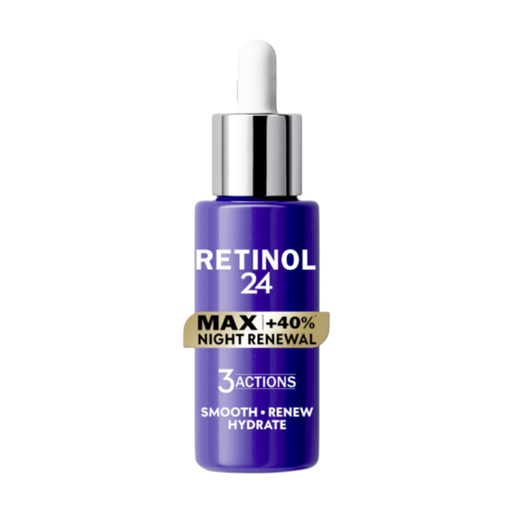
Why it suits this profile: The 40 ml packaging, fragrance-free formula and night-time application make this a straightforward choice for anyone looking for a simple starting point.
The product information mentions retinyl propionate, night-time use and daily UV protection. This makes the routine clearer than with a formula that provides no usage instructions.
40 ml volume; fragrance-free formula; glycerine for a hydrating skin feel, according to the product description.
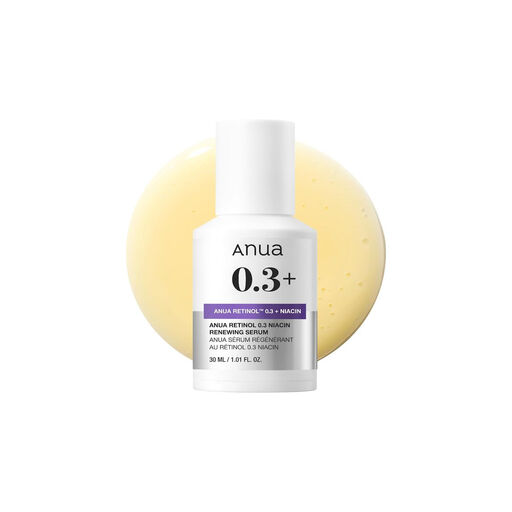
Why it suits this profile: This face serum is worth considering for users who want to compare a clearly stated retinol concentration with a detailed ingredients list.
The stated 0.3% retinol makes the strength more transparent. According to the product information, start using it every other day and increase use only if your skin tolerates it well.
30 ml volume; 0.3% retinol according to the product information; niacinamide, ceramides, panthenol and hyaluronic acid listed in the ingredients.
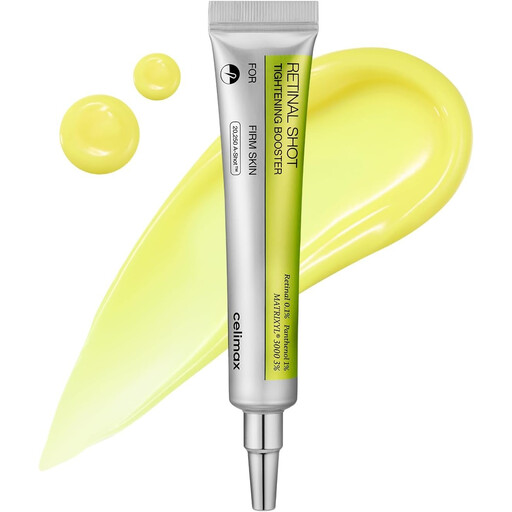
Why it suits this profile: This night-time booster is aimed at users specifically looking for retinal and willing to build up the amount and frequency carefully.
The instructions recommend starting every other evening, using a small amount and applying sun protection. This helps prevent overuse.
15 ml volume; 0.1% pure retinal and 3% Matrixyl 3000 according to the product description; intended for night-time use.
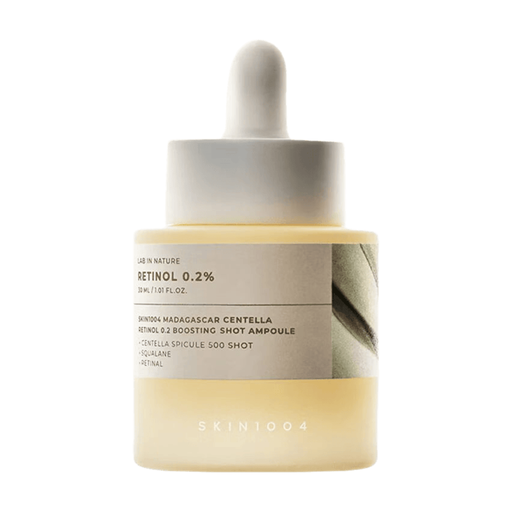
Why it suits this profile: This Korean formula combines retinol and retinal with centella ingredients and is designed for a gradual evening routine.
The description warns about spicules, tingling and temporary redness. It also recommends building up use to two or three times a week.
30 ml volume; 0.2% retinol listed; also contains retinal, squalane, panthenol, madecassoside and centella asiatica.
We’ve put together a complete, up-to-date list of products that fully meet these strict selection criteria and the applicable European safety regulations.
Apply the serum in the evening to cleansed, dry skin. Use a small amount and avoid the eyelids, lips and damaged skin. Finish with a moisturiser. Do not add an extra exfoliant on the same evening until you know how your skin reacts.
A serum for firmer skin, a serum for skin elasticity or a serum for skin texture primarily requires consistent use and patience. According to a brand’s own research, visible changes may appear after a certain number of days, but such results are not automatically the same for every user. Focus instead on the formula, dosage, skin response and ease of use.
Usually, start with one to three evenings a week, depending on the product instructions and your skin’s condition. Only increase the frequency once you are no longer experiencing persistent irritation. Some products are intended for daily use once your skin has adjusted, but this is not an essential goal.
Many retinol and retinal products are intended for evening use. Check the label. Always use sun protection with at least SPF 30 during the day, as vitamin A ingredients can increase sensitivity to UV radiation.
This depends on the volume, the amount used per application and how often you use it. A 30 ml bottle may last longer with a few applications per week than with daily use. Do not use more product than recommended: a larger amount will not speed up the adjustment process and may increase the risk of irritation.
