
Vandaag of morgen in huis

Kwaliteit gegarandeerd

Welkomstaanbiedingen ontgrendelen: GRATIS bezorging | Tot 80% korting | Gratis 30 dagen JoyPlus-proefperiode
Download de app
A retinol serum can be a valuable addition to an evening routine for adults looking to tackle fine lines, wrinkles, uneven skin texture or loss of firmness. However, not every product with “retinol” on the front is the same. The formula, concentration, packaging and instructions for use all help determine whether a serum is right for your skin and routine.
Words such as “innovative”, “lifting” or “instant effect” reveal little about the exact formulation. A brand’s own research may show that certain visible results were observed after a specified number of days, but this is not a guarantee for every user. Always check the ingredients list, the type of vitamin A derivative and the recommended frequency of use first.
For example, an anti-wrinkle serum may contain retinol, retinal, retinyl propionate or HPR. These ingredients are not identical, and the percentages shown cannot always be compared directly.
A common mistake is to apply a retinol night serum generously every evening straight away. This can cause discomfort, redness or a tight feeling. A retinol serum for sensitive skin particularly needs to be introduced gradually.
Start with a small amount, for example on two evenings a week. Only increase the frequency once your skin tolerates the product well. Always follow the label instructions and stop using it if irritation persists.
Retinol and retinal can increase sensitivity to sunlight. For this reason, use a broad-spectrum sunscreen during the day, preferably with SPF 30 or higher, and limit prolonged exposure to the sun. Also combine a vitamin A serum with a simple moisturiser.
A hydrating retinol serum containing glycerine, hyaluronic acid, panthenol, ceramides or squalane may feel more comfortable, but these ingredients do not automatically make the retinoid itself suitable for every skin type.
Check exactly which ingredient is included in the formula:
A higher percentage does not automatically mean a better choice. For beginners, a low dose or a product designed for gradual introduction is often more practical. SKIN1004, for example, lists 0.2% retinol, while Some By Mi lists 0.1% retinol. Also check whether the product contains retinal as well.
A facial serum with retinol may feel drier if the formula contains few moisturising or soothing ingredients. Look out for:
If your skin reacts easily to cosmetics, it is worth checking for fragrance and known allergens. According to the product information, Olay Retinol 24 is offered as fragrance-free. Some By Mi, on the other hand, lists fragrance among its ingredients. Sensilis states that it has a hypoallergenic, non-comedogenic formula, but it is still sensible to check the full packaging.
Retinoids are sensitive to light and heat. A pump bottle, tightly closed container or individual capsule can make dosage and storage easier to manage. Capsules provide a fixed amount per application, while a dropper bottle offers more flexibility.
A retinol night serum is generally used after cleansing, on dry skin, followed by a moisturiser. Avoid direct contact with the eyes and do not combine it without good reason with several strong exfoliants such as AHA or BHA. If you are pregnant or breastfeeding, consult a doctor before using a product containing retinol or retinal.
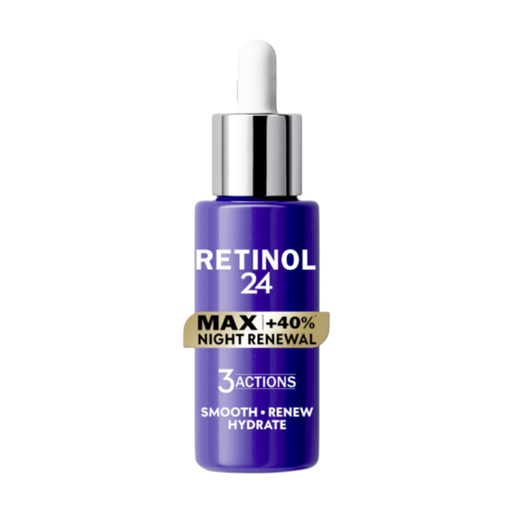
Why This Fits Their Persona: A straightforward night-time formula for anyone adding an anti-ageing serum to their evening routine for the first time. The 40 ml size is practical for regular use.
The product information lists retinyl propionate, glycerine and a fragrance-free formula. This lets you compare the ingredients more meaningfully instead of relying solely on the term “Retinol 24”.
40 ml; fragrance-free according to the product details; glycerine is listed to help retain moisture.
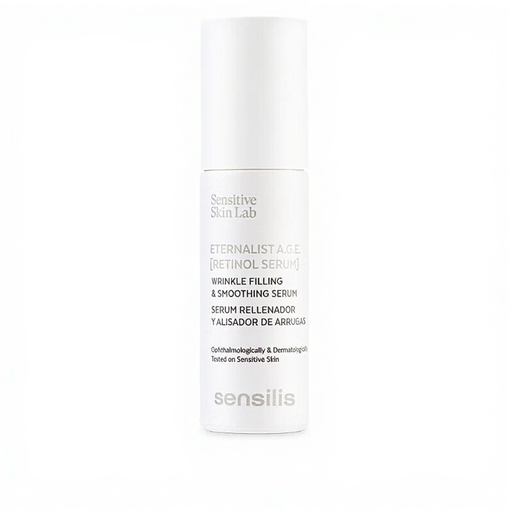
Why This Fits Their Persona: An option for users looking for a soothing, hydrating texture and wanting to expand their routine gradually.
The product details state that it has a hypoallergenic, non-comedogenic formula for sensitive and oily skin. The stated retinyl palmitate concentration is 10% liposomal; do not compare this directly with percentages of pure retinol.
30 ml; 1% hyaluronic acid according to the product description; stated to be suitable for sensitive and oily skin.
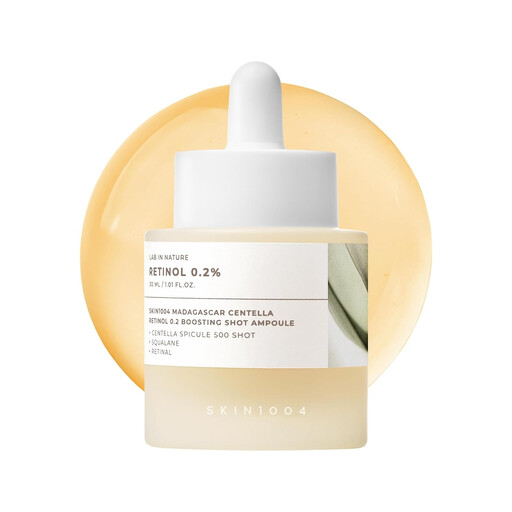
Why This Fits Their Persona: Suitable for anyone who wants to manage frequency and quantity carefully and is looking for a formula containing both retinol and retinal.
The instructions recommend starting with two to three applications per week. The warning about possible tingling caused by the spicule texture makes it clear that this is not a beginner product for generous daily use.
30 ml; 0.2% retinol listed; also contains retinal, squalane, panthenol, madecassoside and hyaluronic acid.
Browse a current selection of firming retinol serums and compare them by ingredients, skin type, size and when to use them.
For each product, check the current packaging, ingredients list, shelf life and safety information. Product formulas may change.
Usually start with one or two evenings a week. Some products, such as SKIN1004, recommend using them two to three times a week during the initial phase. Only increase the frequency once your skin tolerates the product well.
Sometimes, but choose a formula that can be introduced gradually and test it on a small area of skin first. Check for fragrance, alcohol and exfoliating acids in the same routine. If redness, burning, itching or swelling persists, stop using the product and seek medical advice.
Follow the expiry date and the period-after-opening information on the packaging. Store the serum in a cool, dry place away from direct sunlight. A capsule formula can be useful if you want a separate dose for each application; a pump or dropper bottle is more practical when you want to adjust the amount yourself.
