
Vandaag of morgen in huis

Kwaliteit gegarandeerd

Welkomstaanbiedingen ontgrendelen: GRATIS bezorging | Tot 80% korting | Gratis 30 dagen JoyPlus-proefperiode
Download de app
A retinol serum can be worth considering if you want to target fine lines, an uneven complexion or rough skin texture. However, a higher percentage is not automatically better for your skin. The formula, type of vitamin A, packaging and directions for use are just as important.
As a Joybuy Product Recommendation Officer, I filter product information against verifiable criteria. This helps you quickly see which option suits your skin and routine, without being swayed by bold marketing claims.
A package may state 0.1%, 0.2% or 0.3% retinol, for example. These figures cannot be directly compared with retinal, retinyl propionate or HPR. These are different vitamin A derivatives with different formulations and strengths. As a result, a serum with a lower stated percentage may still feel quite potent.
Always check:
A brand may claim that a product reduces wrinkles, firms the skin or improves elasticity. Do not present such claims as guaranteed results. According to Olay’s own research, for example, skin looks renewed after one night and skin texture appears smoother after fourteen nights. This is brand information, not a universal guarantee.
Also check the full ingredients list. A retinol night serum containing glycerine, squalane, ceramides, panthenol or hyaluronic acid may be a good fit for a routine where hydration is important. Fragrance-free may be relevant if you want to avoid perfume in facial skincare, but it does not automatically mean that a product is suitable for every sensitive skin type.
Redness, dryness, flaking, stinging or itching can occur if you start by using the product too often. A retinol serum should not be applied to irritated or damaged skin. It is sensible to carry out a patch test on a small area of skin before using it all over your face.
Preferably use vitamin A serums in the evening and apply a broad-spectrum sunscreen with SPF 30 or higher during the day. Always follow the product packaging. If irritation persists, stop using the product and seek medical advice.
Retinol is a widely used ingredient in a serum for fine lines or a wrinkle serum. Retinal, also known as retinaldehyde, is another derivative. Products containing retinal are often marketed as retinal serums, but you cannot compare their concentration directly with retinol.
Retinyl propionate and HPR, or hydroxypinacolone retinoate, are also vitamin A derivatives. So check the INCI list rather than relying only on the name on the front of the packaging.
A higher percentage is not automatically the wisest starting point. If you have little experience, choose a formula with clear instructions for introducing it gradually. A pump bottle, capsule or well-sealed package can be practical for dispensing the product and limiting exposure to light and air.
Check the following upon delivery:
For dry skin, glycerine, squalane, hyaluronic acid, ceramides and panthenol may be useful ingredients in the formula. If you want to avoid perfume, look for “fragrance-free”. A formula containing AHA, tea tree oil or several plant extracts requires extra care if your skin reacts easily.
A firming face serum or serum for skin elasticity is not a medical treatment. Primarily, expect a skincare product that you introduce into your existing routine consistently and carefully.
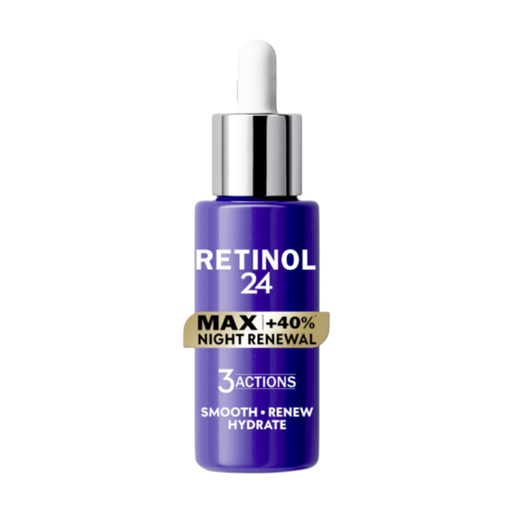
Why it suits this profile: A fragrance-free 40 ml night formula containing retinyl propionate and glycerine. According to the product information, the texture is light and non-greasy.
The product information identifies the derivative used and states that the serum is applied in the evening. This means you do not have to rely solely on the term “anti-ageing”.
40 ml contents, fragrance-free and glycerine as a hydrating ingredient.
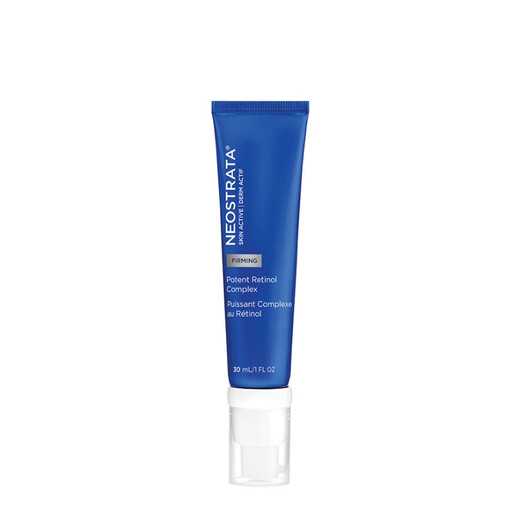
Why it suits this profile: The formula states that it contains 0.3% pure retinol, 4% niacinamide, neoglucosamine, centella asiatica and hyaluronic acid.
The directions begin with once or twice a week and recommend gradually increasing use. This helps to prevent overuse when starting out.
Clearly stated retinol concentration combined with niacinamide and hyaluronic acid.
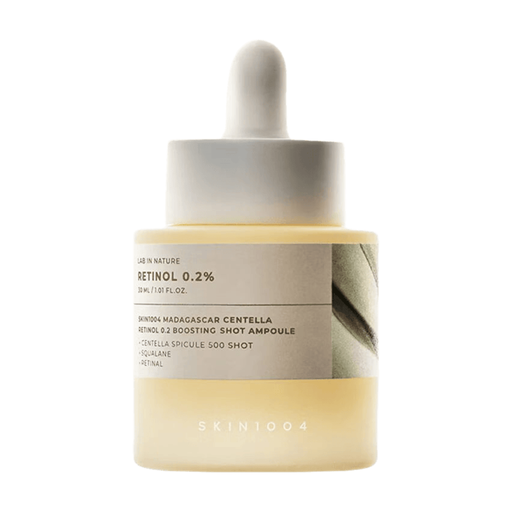
Why it suits this profile: This Korean skincare ampoule combines 0.2% retinol, retinal, centella asiatica, squalane and a spicule texture.
The product information warns of temporary tingling or redness caused by the spicules and advises starting with two to three applications per week.
30 ml contents, retinol and retinal, plus panthenol, madecassoside and centella asiatica.
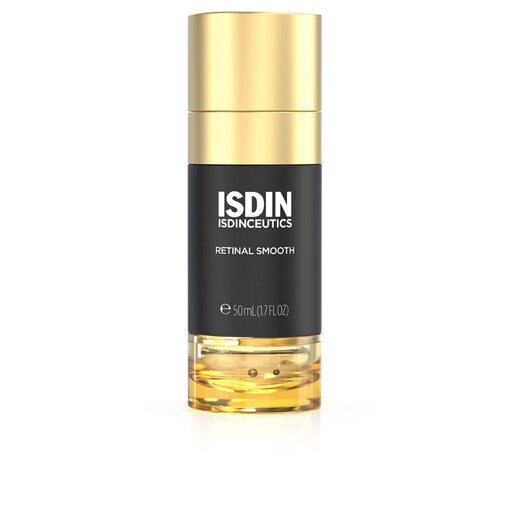
Why it suits this profile: A two-phase 50 ml retinal night serum with niacinamide and melatonin, according to the product description.
The instructions say to shake the bottle and, when starting a new routine, use it two to three times a week. This clearly links the two-phase formula to the routine.
50 ml contents, retinaldehyde as the active vitamin A derivative and clear evening instructions.
We have put together a complete, up-to-date list of products that fully meet these strict selection criteria and the applicable European safety regulations.
Pregnancy and breastfeeding require extra caution. The products in this selection contain retinol or retinal and advise considering use during this period only after consulting a healthcare professional.
Usually start with one to three evenings per week, depending on the formula and how your skin reacts. Only increase the frequency once your skin tolerates the product well. The instructions on the packaging should always take priority.
Check the best-before date, batch number and period-after-opening information on the packaging. Store the serum in a cool, dry place away from direct sunlight. Close the bottle or jar securely after use.
This is usually not necessary. Both are vitamin A derivatives and using them together may increase the risk of irritation. Choose one product, introduce it gradually and use SPF during the day. If you experience persistent redness, swelling or stinging, stop using the serum and seek medical advice.
