
Vandaag of morgen in huis

Kwaliteit gegarandeerd

Welkomstaanbiedingen ontgrendelen: GRATIS bezorging | Tot 80% korting | Gratis 30 dagen JoyPlus-proefperiode
Download de app
A retinol serum can seem appealing if you want to address fine lines, uneven skin texture or a less firm appearance. However, the range can be difficult to compare. Brands use different forms of vitamin A, varying concentrations and claims that cannot always be compared directly.
As a Joybuy Product Recommendation Officer, I therefore focus mainly on verifiable information: the type of active ingredient, the concentration when stated, the instructions for use, the packaging and suitability for different skin types.
A brand may talk about a “lifting effect”, deeper action or fast results. This is not a universal guarantee. According to the brand’s own research, such results may apply to a specific test group, usage period or measurement method. So also look at the ingredients list and the recommended usage schedule.
Retinol is a commonly used form in a retinol face serum. Retinal, also known as retinaldehyde, is another form of vitamin A. Retinyl propionate and retinyl palmitate are retinyl esters. The products therefore differ in both formula and usage advice. A higher percentage does not automatically mean that a product is better suited to your skin.
Starting with an active serum every day can cause dryness, redness, flaking or a burning sensation. Gradual introduction is particularly important when choosing a retinol for sensitive skin. Do not use the product on damaged or irritated skin, and stop if the irritation persists.
Check whether the packaging lists retinol, retinal or a retinyl ester. Products with a stated percentage are easier to assess against one another. Examples include:
When a brand does not state a concentration, you cannot reliably determine the strength from words such as “intense”, “advanced” or “max”.
A hydrating face serum often contains ingredients such as glycerine, hyaluronic acid, squalane, panthenol, ceramides or niacinamide. These substances affect not only the product’s performance, but also how comfortable the serum feels on your skin.
For example, the OLAY Retinol 24 formulas list glycerine and a fragrance-free formula. According to the product description, Neostrata combines retinol with niacinamide, Centella Asiatica and hyaluronic acid. Always check the full ingredients list, particularly if your skin reacts sensitively to alcohol, fragrance or plant extracts.
Vitamin A ingredients are sensitive to light and heat. Ideally, choose packaging that limits exposure to air and light, and store the serum according to the instructions on the packaging. A pump bottle or capsules often make it easier to measure the right amount than an open jar.
Also check:
A serum for the eye area, such as Murad Retinol Youth Renewal Eye Serum, is not automatically intended for the whole face.
During the day, use a broad-spectrum sunscreen with at least SPF 30, as retinol and retinal can increase sensitivity to sunlight. At first, do not automatically combine a retinol night serum with AHA, BHA, other exfoliants or strong vitamin C products. During pregnancy or breastfeeding, several product instructions advise using vitamin A derivatives only after consulting a healthcare professional.
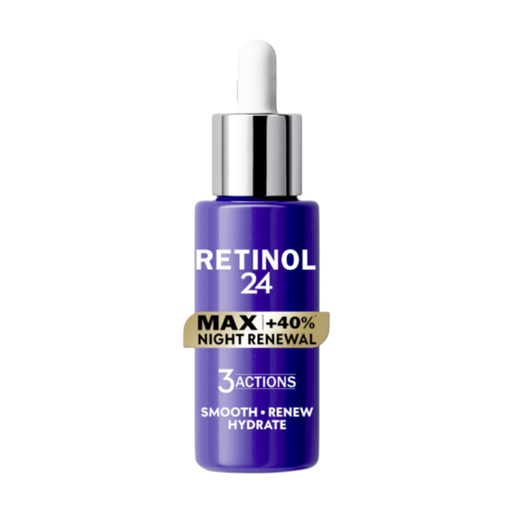
Why it suits this profile: A fragrance-free 40 ml evening formula with glycerine and retinyl propionate. The straightforward application suits anyone looking for their first retinol night serum.
The product information states that it is for evening use, has a fragrance-free formula and includes instructions to stop if irritation occurs. This makes expectations around use clearer.
40 ml; glycerine and dimethicone; dispenser packaging; fragrance-free according to the product details.
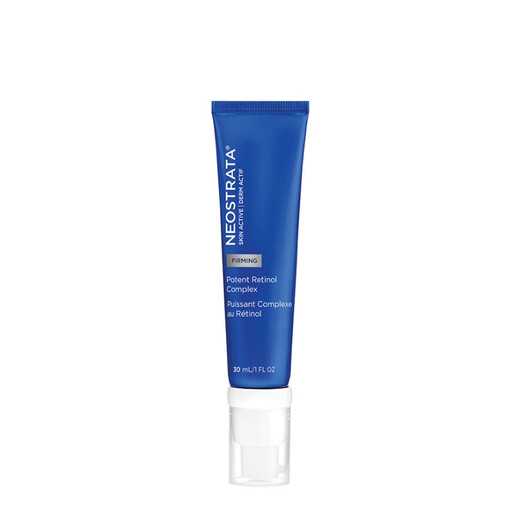
Why it suits this profile: The concentrations of retinol and niacinamide are stated. This helps experienced users who want to compare ingredients and dosage side by side.
The instructions begin with one or two applications per week and recommend gradually increasing use. Daily use is therefore not presented as the starting point.
0.3% pure retinol according to the product information; 4% niacinamide; hyaluronic acid and Centella Asiatica.
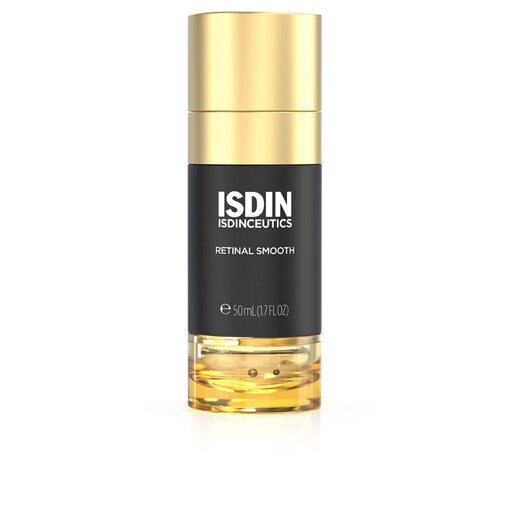
Why it suits this profile: The 50 ml two-phase formula is designed for evening use. The bottle must be shaken before use, making it suitable for someone who follows a consistent routine.
The instructions recommend starting two to three times a week, along with daily sun protection. The product therefore makes the required routine clear.
50 ml; retinaldehyde, niacinamide and hyaluronic acid listed; instructions for gradually increasing use.
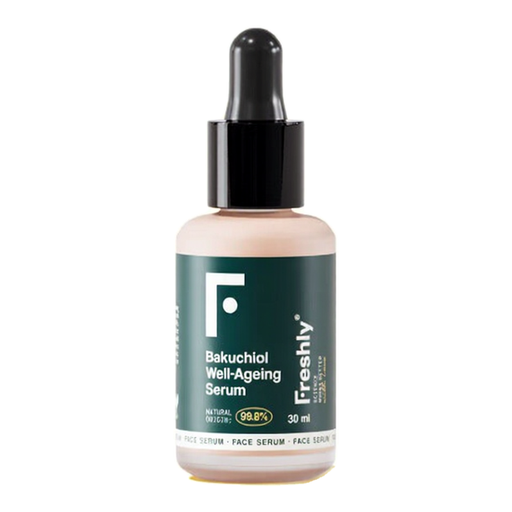
Why it suits this profile: According to the product details, this bakuchiol serum is free from retinol and synthetic fragrances. It may suit anyone looking for a different active ingredient.
The formula makes it clear that it contains no retinol. You are therefore not buying a retinol product under a similar name.
30 ml; retinol-free; suitable for morning and evening according to the product information; lightweight texture.
We have put together a complete, up-to-date list of products that fully meet these strict selection criteria and the applicable European safety regulations.
An anti-wrinkle serum is not a substitute for a day cream with sun protection. Do not expect the same experience for every skin type. Dryness, redness or a stinging sensation are signs that you should apply it less often or stop using it. If you experience clear or persistent symptoms, it is advisable to seek advice from a doctor or dermatologist.
Usually start with one to three evenings a week, depending on the product instructions and your skin. Only build up gradually when you are not experiencing clear irritation. Some products are intended for daily use once your skin has adjusted, but that does not mean you should start that way.
Check the expiry date, batch number and period after opening on the packaging. Store the serum in a cool, dry place away from direct sunlight. It is best not to use a formula that has changed colour, smell or texture without first checking the packaging and product information.
This depends on the product size, price and amount used per application. When using a few drops each evening, a 30 ml bottle will often last longer than a 10 or 15 ml pack. Capsules can help reduce waste because each dose is packaged separately, but compare prices based on the product size and frequency of use.
