
Vandaag of morgen in huis

Kwaliteit gegarandeerd

Welkomstaanbiedingen ontgrendelen: GRATIS bezorging | Tot 80% korting | Gratis 30 dagen JoyPlus-proefperiode
Download de app
A retinol serum may be worth considering if you want to target fine lines, uneven skin texture or a dull complexion. However, it’s best not to rely on claims such as “lifting”, “renewing” or “collagen boost” alone. The formula, concentration and directions for use matter just as much as the marketing on the packaging.
As a Joybuy Product Recommendation Officer, I focus on product information that can be checked. This helps you avoid buying an expensive anti-ageing serum that doesn’t suit your skin type or experience with vitamin A ingredients.
A retinol percentage is useful when it’s clearly stated on the packaging, but it doesn’t tell you everything. Texture, stability, packaging and the combination of other ingredients also play a part. Some products, for example, contain both retinol and retinal, while others use retinyl propionate or hydroxypinacolone retinoate.
So don’t compare numbers alone. A retinol serum for fine lines may be less suitable for a beginner if it has a high concentration or contains other potentially irritating ingredients.
Bakuchiol is often presented as an alternative to retinol. However, it’s a different ingredient. A bakuchiol serum may be an option if you don’t want to use retinol or retinal, but it shouldn’t automatically be included in the same product comparison.
Look out for claims such as “stimulates collagen production” or “reduces wrinkles”, too. Brands may mention these results based on their own research or product descriptions, but they aren’t guaranteed for every user. Focus on the ingredients list and directions for use.
Retinol and retinal can make your skin more sensitive to sunlight. So use a broad-spectrum sunscreen with at least SPF 30 during the day, as recommended in the product information for several of the serums mentioned here. It’s also best to start slowly: two evenings a week is a practical starting point for many users. Only increase how often you use it if your skin tolerates it well.
Stop using the product if you experience persistent redness, burning, swelling or itching. Don’t use a retinol product on irritated or damaged skin.
Retinol and retinal are vitamin A derivatives, but they aren’t the same ingredient. Check the INCI list rather than relying on the front of the packaging alone. For example, a retinal serum may contain 0.1% retinal, while another product lists 0.2% retinol.
Other variants include retinyl propionate and hydroxypinacolone retinoate. These products may appeal if you’re looking for a different formula, but don’t compare their ingredients as if they were identical.
A clearly stated concentration makes it easier to compare products. Examples from the range include:
A higher percentage doesn’t automatically mean the product is a better match for you. Check the recommended schedule for building up use, too. Neostrata, for example, recommends starting once or twice a week. celimax advises using the retinal shot every other evening for the first two weeks.
A facial serum for elasticity often contains additional ingredients such as glycerine, hyaluronic acid, niacinamide, panthenol, ceramides or centella asiatica. These ingredients don’t automatically make a formula suitable for every skin type, but they may be worth considering if you also want to support hydration and skin comfort alongside retinol.
Also check:
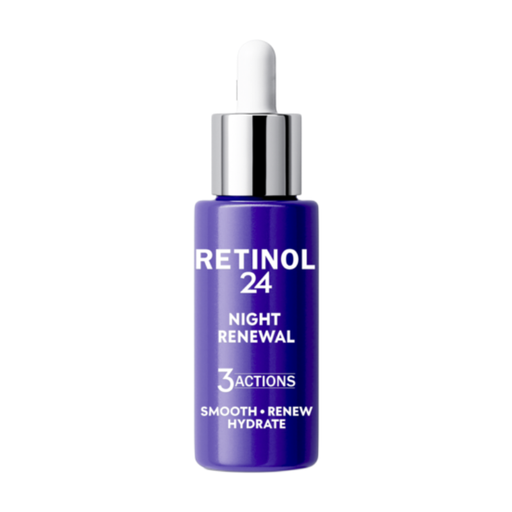
Why it suits this user: The formula is designed for evening use, contains 40 ml and is described as fragrance-free in the product information. This makes it a straightforward choice if you’re looking to start using a night serum.
The product information doesn’t give an unclear high retinol concentration; instead, it explicitly lists retinol and retinyl propionate. Use it as directed in the evening and pair it with UV protection during the day.
40 ml, a fragrance-free formula according to the product details, and a lightweight serum texture.
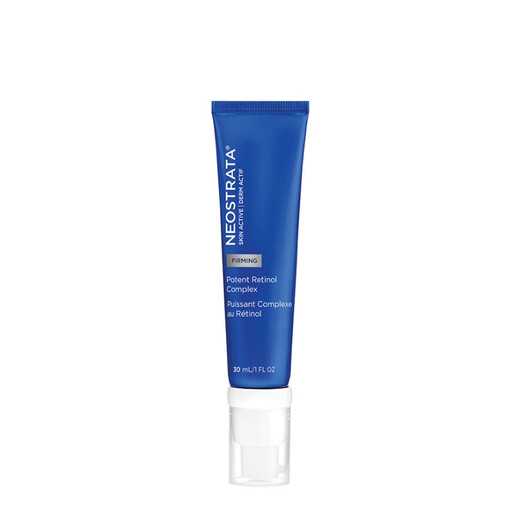
Why it suits this user: According to the product description, this formula combines 0.3% pure retinol with 4% niacinamide and 2% neoglucosamine. It may suit users looking to address several skin concerns with one serum.
The recommended schedule of once or twice a week helps you avoid starting straight away with daily use of a 0.3% formula.
0.3% retinol, niacinamide and hyaluronic acid; 30 ml and a lightweight texture according to the product information.
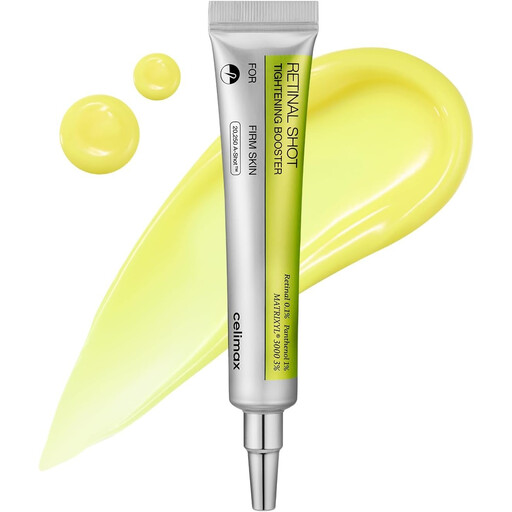
Why it suits this user: According to the product information, the retinal shot contains 0.1% pure retinal and is intended for night-time use. Its compact size may suit users who want to apply a retinal product to specific areas.
The instructions warn against applying too much product at once and recommend starting every other evening for the first two weeks.
0.1% retinal, 3% Matrixyl 3000 according to the product description, and a dosage that can be kept small each time you use it.
We’ve put together a complete, up-to-date list of products that meet these strict selection criteria and the current European safety regulations.
If you’re pregnant, breastfeeding or receiving medical treatment for your skin, it’s best to consult a doctor or another qualified healthcare professional first. Always check the latest packaging, as ingredients and directions for use may change.
Usually, start with one or two evenings a week. Gradually increase how often you use it if your skin tolerates the product well. Redness, flaking or a burning sensation are signs to reduce how often you use it or stop temporarily.
The shelf life is stated on the packaging. Store the serum in a cool, dry place away from direct sunlight. Close the packaging securely after use. A pump bottle can be practical because the formula is exposed to air less often, but always follow the brand’s storage instructions.
The price depends on the concentration, size, packaging and additional ingredients. Compare the price per millilitre and check which form of vitamin A is used. A more expensive serum isn’t automatically a better fit; choosing the right strength and using it carefully and consistently matter more.
