
Vandaag of morgen in huis

Kwaliteit gegarandeerd

Welkomstaanbiedingen ontgrendelen: GRATIS bezorging | Tot 80% korting | Gratis 30 dagen JoyPlus-proefperiode
Download de app
A retinol serum can be a great option if you want to tackle fine lines, uneven skin texture or a dull complexion. However, comparing the available products isn’t straightforward. Different brands use various vitamin A derivatives, concentrations and usage guidelines. This means an expensive serum may be less suitable than a simpler formula that better matches your skin and routine.
Watch out for these three common pitfalls:
Retinol and retinal are different forms of vitamin A. A retinal serum contains retinaldehyde, while a classic vitamin A serum often uses retinol or a retinol ester such as retinyl propionate or retinyl palmitate. These variants cannot be compared directly based on a percentage alone.
So check the following:
A formula with 0.3% pure retinol, as stated for Neostrata Retinol Repair Complex, offers more useful comparison information than a product that simply says “intensive”. According to the product description, Olay Retinol 24 uses retinyl propionate. The effects the brand describes should be seen as a claim from Olay, not a guaranteed result for every user.
An anti-wrinkle serum isn’t just about the active ingredient. Also look at the supporting components:
A hydrating retinol serum can be more practical than a highly concentrated product if your skin quickly feels dry. For combination skin, a light, fast-absorbing texture may be more convenient.
Retinoids are sensitive to incorrect use, and some formulas require extra care when storing. Keep the serum according to the label instructions, usually in a cool place away from direct sunlight. Also check the expiry date, batch information and period after opening on the packaging.
Generally, start with a small amount on dry skin, for example two evenings per week. Only increase the frequency if your skin tolerates it well. Do not introduce several new active products at the same time. Do not automatically combine a retinol serum with AHA, BHA or other strongly exfoliating products; check the usage instructions for this.
During the day, a broad-spectrum sunscreen with at least SPF 30 is a wise addition. Avoid contact with the eyes and stop if irritation persists. Products containing retinol or retinal are advised against during pregnancy or breastfeeding on various packaging; always check the individual label and consult a doctor if in doubt.
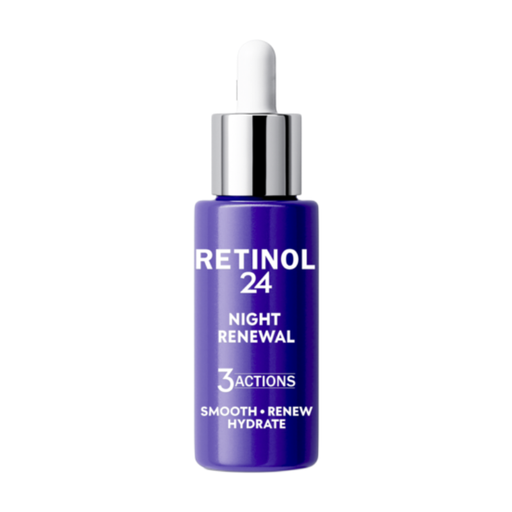
Why this fits the profile: The fragrance-free 40 ml formula is straightforward for anyone wanting to add a retinol night serum without immediately choosing a small, highly concentrated product. According to the product information, it is intended for the face and neck.
The product description mentions the retinyl propionate used and provides an evening routine with UV protection during the day. This makes the usage information more concrete than a vague claim about skin renewal.
40 ml content, pump bottle, fragrance-free and, according to the product specifications, suitable for normal and sensitive skin.
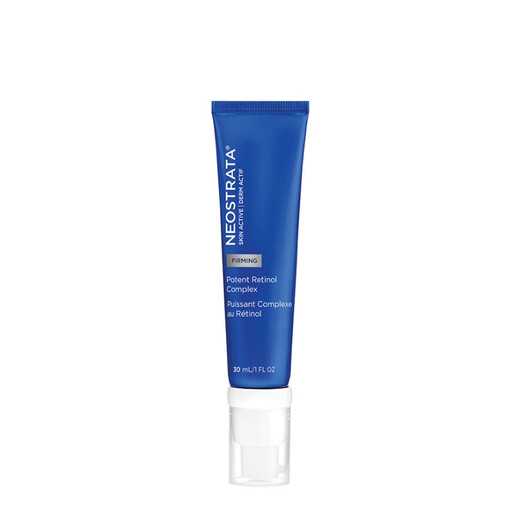
Why this fits the profile: This serum suits users who want to be able to check the retinol percentage explicitly and are prepared to build up the frequency slowly.
The product information states 0.3% pure retinol and advises starting with once or twice a week. This makes the intensity easier to assess and prevents rushing into daily use.
0.3% pure retinol, 4% niacinamide and 2% neoglucosamine according to the product description; hyaluronic acid and centella asiatica are also listed.
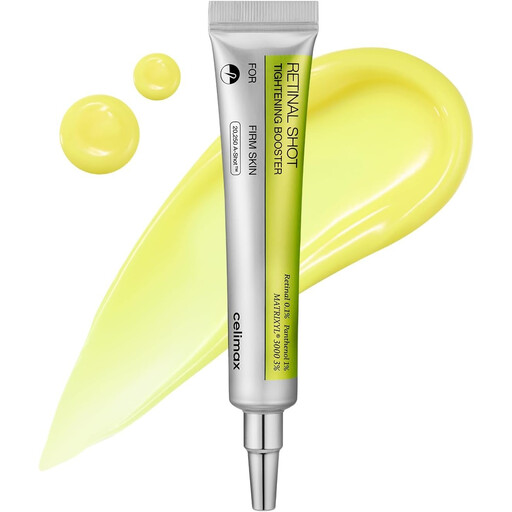
Why this fits the profile: The small packaging and clear build-up schedule suit someone who wants to use retinal on specific areas and is already accustomed to active skincare.
According to the product instructions, you start by using it every other evening for the first two weeks and only apply a small amount. The label also warns about sun sensitivity and irritation from using too much product.
Contains 0.1% pure retinal and 3% Matrixyl 3000 according to the product information; the content is 15 ml and the product is intended for evening use.
We have compiled a full, up-to-date list of products that fully meet these strict selection criteria and comply with current European safety regulations.
Start with one or two evenings per week and use a small amount. Only increase the frequency once your skin tolerates the product well. Always follow the instructions on the packaging, as retinol, retinal and retinol esters can have different usage guidelines.
Most retinol and retinal serums are intended for evening use. Some products mention both morning and evening use, but vitamin A derivatives can increase sensitivity to UV radiation. Therefore, apply sunscreen every morning and limit prolonged sun exposure.
This depends on the content, dosage and frequency of use. A 30 ml or 40 ml bottle used a few evenings a week will generally last longer than a 15 ml pack. Don’t just look at the price, but also at the recommended amount, the shelf life after opening and the storage instructions.
