
Vandaag of morgen in huis

Kwaliteit gegarandeerd

Welkomstaanbiedingen ontgrendelen: GRATIS bezorging | Tot 80% korting | Gratis 30 dagen JoyPlus-proefperiode
Download de app
A retinol serum can be worth considering if you want to tackle visible fine lines, uneven skin texture or loss of firmness. However, it’s not wise to rely solely on terms like “intensive”, “renewing” or “fast results”. The concentration, the form of vitamin A and the way you use the product all help determine whether a serum fits into your routine.
As a Joybuy Product Recommendation Officer, I filter product information based on verifiable features. This way, you avoid paying for a formula that’s too strong for your skin, has unclear dosing, or turns out to be difficult to use.
Brands often use terms like “anti-ageing serum”, “wrinkle serum” or “skin renewal”. On its own, that tells you very little about the formulation. So check whether the label states a percentage, for example 0.1% or 0.3% retinol, or clearly indicates which retinoid has been used.
Not every product contains the same form. Retinol, retinal and retinyl esters, such as retinyl propionate, differ in formulation and usage advice. A retinal serum is therefore not automatically comparable to a retinol serum that uses the same marketing word “renewing”.
Retinoids can initially cause dryness, redness, stinging or peeling. That doesn’t mean you should push through persistent irritation. A serum for fine lines should suit your skin condition and your existing routine.
A sensitive or dry skin often benefits more from a gentle build-up, a hydrating retinol serum and a simple combination with a moisturiser. A product with fragrance, alcohol, acids or spicule-like particles may be less suitable for some users.
Retinol products are usually used in the evening, but sun protection remains important. Use a broad-spectrum sunscreen with at least SPF 30 during the day, follow the label and limit excessive sun exposure. Product information from brands also regularly mentions this as a safety precaution.
Also avoid combining several intensive active ingredients straight away, such as retinol with AHA, BHA or other exfoliating products. Introduce one new product at a time so you can better assess how your skin reacts.
First, look at the ingredients list. With Neostrata Retinol Repair Complex, the product description states 0.3% pure retinol, alongside 4% niacinamide and neoglucosamine. That’s more concrete information than a general promise about a “powerful formula”.
Other products use a retinoid derivative. Olay Retinol 24 Max Night Serum contains retinyl propionate and glycerine according to the ingredients list. This makes the product relevant for anyone looking for a night serum with retinol that focuses on hydration, but the formula can’t be directly compared to a serum with a stated percentage of pure retinol.
A serum for skin renewal doesn’t have to consist solely of a retinoid. Also look out for ingredients that support skin comfort, such as:
These ingredients don’t automatically make a product suitable for every skin type. Also check the full INCI list and look out for fragrance, alcohol and known allergens.
Retinoids are sensitive to light, air and heat. A well-sealed pump bottle, capsule or dispenser can therefore be practical. Capsules also offer a fixed amount per use. With a dropper bottle, it’s important not to apply too much yourself.
Start with two evenings a week or every other night, unless the manufacturer advises otherwise. Apply a small amount to a clean, dry skin and follow with a moisturiser. Test a new serum on a small area of skin first. Stop if you experience clear irritation and consult a doctor if symptoms persist or become severe.
The following selection is based on stated ingredients, volume, packaging and usage advice. Claims about visible results come from the product descriptions of the respective brands and are not a guarantee for every user.
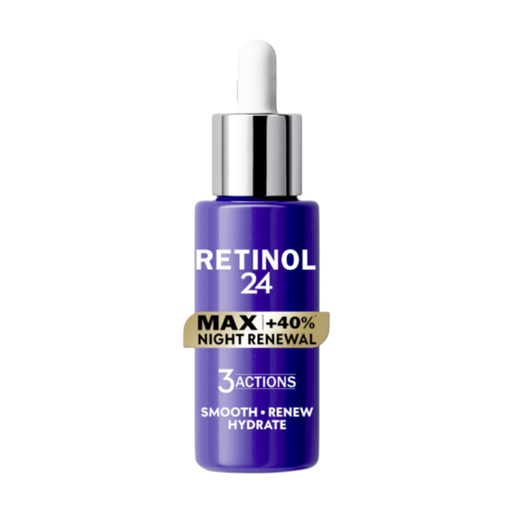
Why this suits the profile: The fragrance-free night formula contains 40 ml and combines retinyl propionate with glycerine. That’s practical for anyone wanting to start gently with a retinol night serum.
The product information states the retinyl propionate used and a specific evening usage time, rather than just a general anti-ageing claim.
40 ml, fragrance-free, dispenser packaging and glycerine for a moisturising skin feel.
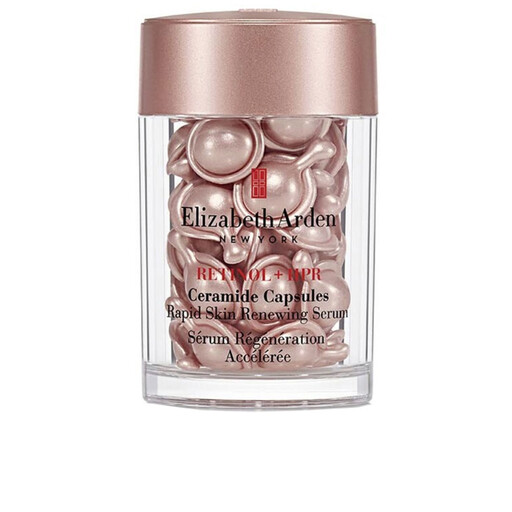
Why this suits the profile: The capsules contain a fixed dose and combine retinol with HPR, ceramide NP, colloidal oatmeal and nourishing oils.
The capsule format removes the guesswork around the amount per application. The brand advises starting every other night if you have sensitive skin.
30 capsules, fixed dosage and additional ingredients such as ceramide NP and shea butter.
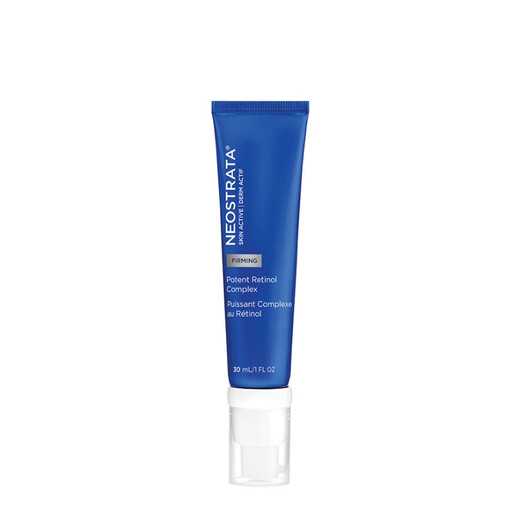
Why this suits the profile: The product description states 0.3% pure retinol, 4% niacinamide, 2% neoglucosamine, hyaluronic acid and centella asiatica. According to the brand, you start using it on one to two evenings per week.
The stated concentration and build-up instructions provide more guidance than an unspecified promise about a powerful anti-wrinkle serum.
0.3% pure retinol, 30 ml and additional niacinamide and hyaluronic acid according to the product information.
A retinal serum, such as ISDIN Retinal Smooth, also requires a gentle build-up. According to the product information, the two-phase formula should be shaken before use and is initially advised two to three times a week. Always check the packaging, as instructions can vary per product.
We’ve put together a full, up-to-date list of products that fully meet these strict selection criteria and comply with current European safety regulations.
Start with once or twice a week and only increase when your skin tolerates it well. Some brands advise starting every other night or two to three times a week. So follow the instructions on the packaging. If you experience redness, stinging or persistent peeling, you can reduce the frequency or stop.
This is generally fine within a skincare routine, as hyaluronic acid is mainly used as a hydrating ingredient. Apply the retinol serum first according to the label and finish with a moisturiser. Do not combine retinol with multiple strong acids or other intensive active ingredients without preparation.
The shelf life and period after opening are stated on the packaging. Store the product in a cool, dry place away from direct sunlight and according to the manufacturer’s instructions. Close a bottle or capsule packaging properly. Notice a change in smell, colour or texture? First check the label and if in doubt, do not use the product.
