
Vandaag of morgen in huis

Kwaliteit gegarandeerd

Welkomstaanbiedingen ontgrendelen: GRATIS bezorging | Tot 80% korting | Gratis 30 dagen JoyPlus-proefperiode
Download de app
A retinol serum can seem appealing when you want to tackle fine lines, a dull complexion or uneven skin texture. However, not every serum containing retinol, retinal or retinyl propionate is the same. The concentration, formula, packaging and instructions all help determine whether a product suits your routine.
Many consumers also pay for promises that are difficult to compare. So focus on verifiable product information rather than terms such as “innovative”, “intensive” or “instant results”.
A stronger retinol serum is not automatically the most suitable option. If you have little experience with retinol or have sensitive skin, it is better to look for a low concentration, a gradual introduction and additional moisturising ingredients. The product information does not always state a percentage. So check the ingredients list and the recommended frequency of use.
Examples include:
Claims about reducing wrinkles, stimulating collagen or providing a “repairing effect” usually come from brand communications. A brand’s own research may have measured certain results in a particular group, but that is not a guarantee for every user.
Treat terms such as anti-ageing serum, wrinkle serum and serum for fine lines as descriptions of the product’s intended use. Also consider the formula, usage instructions, size and skin type the product is designed for.
Retinol and retinal can increase sensitivity to UV radiation. Use a sunscreen with a suitable SPF during the day and limit prolonged exposure to the sun. When starting a new product, begin with two or three evenings a week unless the label says otherwise. Increase use only if your skin tolerates the product well.
Do not use several strong active products at the same time without checking the instructions. These may include exfoliating acids, other retinoids or intensive treatments.
Retinol is a widely used ingredient in a serum designed to support skin renewal. Retinal, also known as retinaldehyde, is another form of vitamin A. Retinyl propionate is a derivative listed, among other products, in OLAY Retinol 24 Max Night Serum. These ingredients are not directly comparable. So do not look only at the product name; check the full INCI list and the concentration, if stated.
A retinal serum may be appealing if you are specifically looking for retinaldehyde, while a gentle retinyl propionate product may be better suited to a simple night-time routine.
A retinoid can cause dryness or discomfort. A hydrating face serum containing glycerine, hyaluronic acid, panthenol, ceramides or niacinamide can therefore be more practical as part of a complete routine. This does not rule out irritation; your skin type and frequency of use remain important.
For dry or mature skin, you may want to look for:
Retinoids are sensitive to light and air. A pump bottle or well-sealed package can be practical. Also check the size: 10.5 ml in capsules will be used differently from 30, 40 or 50 ml in a bottle.
You would generally use a night serum in the evening on cleansed, dry skin. A 30 ml product may last a long time if used a few evenings a week, while daily use will deplete your supply more quickly. So compare the price per millilitre as well as the recommended amount per application.
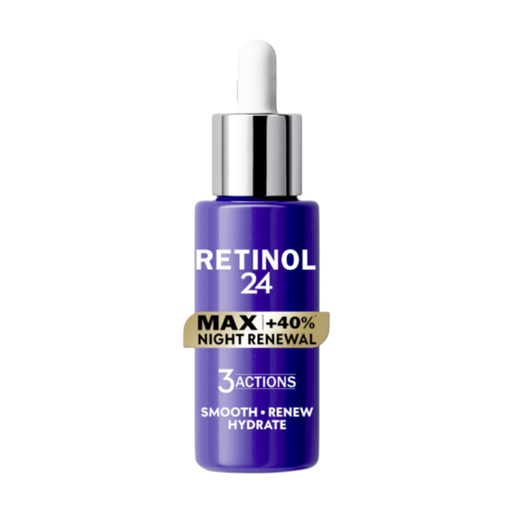
Why it suits this profile: The fragrance-free formula combines retinyl propionate with glycerine and is designed for use as a night serum. This keeps the routine straightforward for anyone who wants to start gently.
The product description mentions a lightweight texture, a 40 ml size and advice to use SPF during the day. Check the label for the latest instructions.
40 ml, fragrance-free and designed to hydrate, leave skin feeling smoother and support renewal, according to the product description.
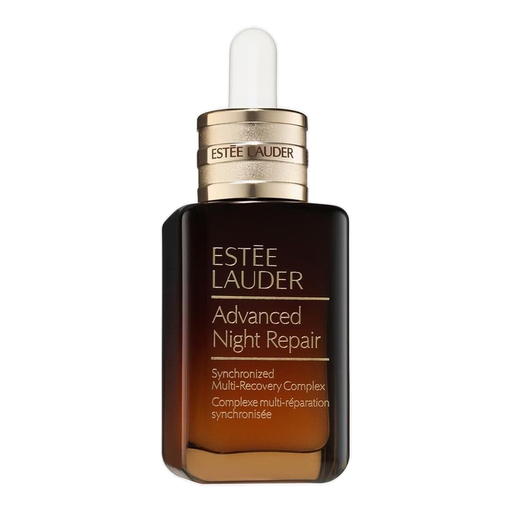
Why it suits this profile: According to the available product information, this is an anti-ageing serum without retinol. It suits buyers who are primarily looking for hydration and a night-time skincare step.
This is a transparent choice for anyone who does not want to use a retinoid: the product information mentions hyaluronic acid, an oil-free formula and suitability for all skin types.
30 ml, fragrance-free and designed to hydrate, support firmness and care for the skin, according to the product description.
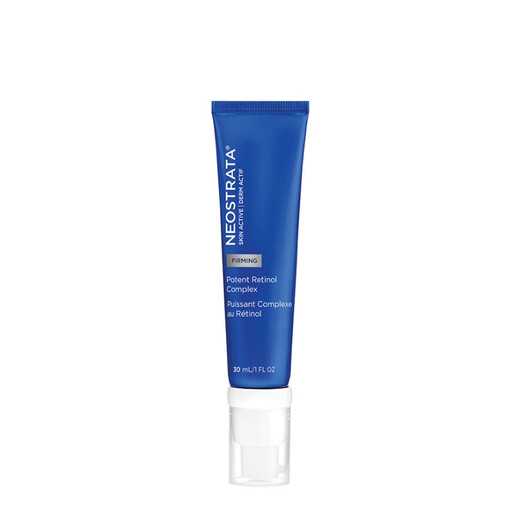
Why it suits this profile: The product information states 0.3% pure retinol and a gradual increase from once or twice a week to more frequent use. This suits a targeted routine.
The concentration and gradual introduction schedule are clearly stated. This means you do not have to rely solely on general terms such as “powerful” or “intensive”.
0.3% retinol, 4% niacinamide, neoglucosamine and hyaluronic acid, according to the product description.
If you are pregnant or breastfeeding, always check the warnings on the label and ask a healthcare professional for advice before using retinol skincare.
We have put together a complete, up-to-date list of products that fully meet these strict selection criteria and the applicable European safety regulations.
Usually start with two evenings a week and gradually build up. Always follow the instructions for the specific product. Sensitive skin may need a longer adjustment period.
This can work in some routines, but check the usage instructions and do not introduce several new active products at the same time. For example, you could use a peptide serum without retinol at a different time while your skin first adjusts to the retinol product.
The shelf life is stated on the packaging or indicated by a period-after-opening symbol. Store the product according to the instructions, usually tightly closed, in a cool place and away from direct sunlight. If the smell, colour or texture changes noticeably, check the label before using it again.
