
Vandaag of morgen in huis

Kwaliteit gegarandeerd
Download de app
Categorieën

The search for an effective anti-ageing serum can be overwhelming. You hear about retinol serum, vitamin A serum, and promises of smoother skin, but the fear of irritation or making a poor choice is real. An abundance of options doesn't make it any easier. This article is not a sales pitch, but a practical guide. We'll explain what to look for when purchasing a serum for wrinkles and spotlight several products based on their specifications.
Before making a decision, it's helpful to consider a few objective criteria. These factors will help you compare products based on facts, not marketing claims.
Retinol is a form of vitamin A. However, there are different variants (retinoids) with varying effects and potencies:
Always start with a low concentration and slowly build up usage to allow the skin to acclimate.
A good serum contains more than just retinol. Look for ingredients that support the skin barrier and provide hydration, such as:
Vitamin A is sensitive to light and air. An effective retinol serum is therefore almost always packaged in an opaque, airtight container, such as a pump dispenser or a dark-coloured bottle with a dropper. Transparent jars offer insufficient protection and can compromise the product's stability.
For those who find retinol too intense or are looking for a plant-based alternative, there is bakuchiol serum. Bakuchiol is an ingredient derived from the Psoralea corylifolia plant. It is often presented as a milder alternative that addresses similar skin-ageing concerns.
Below is a selection of products, analysed based on their formulation and features as provided by the manufacturer.
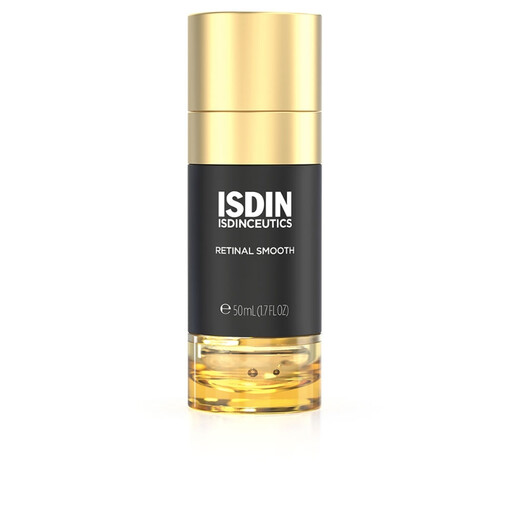
Why We Chose It: This night serum stands out for its use of retinaldehyde, a potent form of vitamin A. The dual-phase formula must be shaken before use to mix the ingredients. According to the manufacturer, ISDIN, the product is specially designed for those looking to address the first signs of ageing.
Pros:
Who It's For: Users who already have some experience with vitamin A products and are looking for a formula with retinaldehyde. Also suitable for those seeking a product that combines active ingredients with calming components like niacinamide.
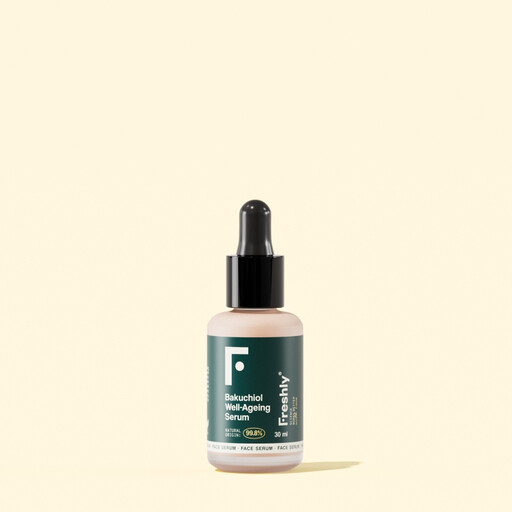
Why We Chose It: This serum is a retinol-free alternative, basing its effects on bakuchiol. Freshly Cosmetics positions this as an anti-wrinkle serum suitable for all skin types, including sensitive skin. A key advantage is that, unlike many retinol products, it is not photosensitive and can therefore be used both in the morning and at night.
Pros:
Who It's For: Individuals looking for a plant-based alternative to retinol, those with very sensitive skin, or anyone wanting an anti-ageing face serum that can be used both day and night.
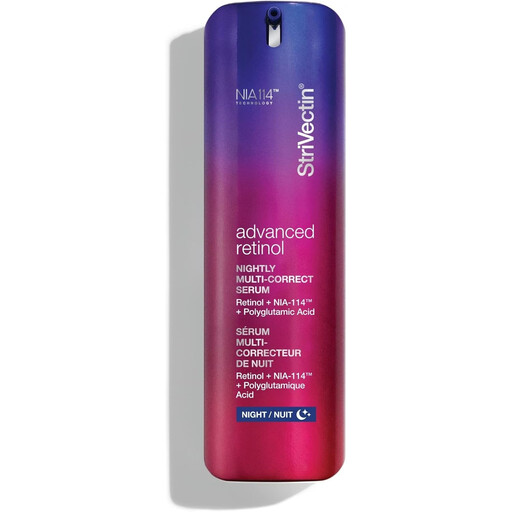
Why We Chose It: This serum from StriVectin combines retinol with the brand's patented NIA-114 technology. According to StriVectin, this technology is designed to reduce the common sensitivity associated with retinol and to nourish the skin. The formula is aimed at intensively targeting signs of ageing.
Pros:
Who It's For: Users who want a retinol product but are concerned about potential irritation. The formula is specifically developed to support the skin during retinol use, making it an interesting option for those who have previously reacted sensitively to vitamin A products.
A retinol serum primarily targets texture, fine lines, and the overall firmness of the skin. If you notice specific dark spots or an uneven skin tone in addition to wrinkles, it may be worthwhile to also look at products specifically developed for this purpose. For a targeted approach to hyperpigmentation, you can browse our range of pigment serums.
1. When can I expect results from a retinol serum? Skin cell turnover is a process that takes time. Results are typically not immediately visible. With consistent use, a few times a week, most manufacturers report that the first improvements in skin texture and tone can become visible after several weeks to months. Patience and consistency are essential.
2. Can I combine retinol with other active ingredients like vitamin C or AHA/BHA? Caution is advised. Combining retinol with other potent ingredients like exfoliating acids (AHA/BHA) or high concentrations of vitamin C can increase the risk of irritation. A common approach is to alternate these ingredients: for example, use vitamin C in the morning and retinol (at night) on different days of the week.
3. Is a higher percentage of retinol always better? Not necessarily. A higher percentage increases effectiveness but also the risk of side effects such as dryness, redness, and flaking. It is more important to choose a percentage that your skin tolerates well and that you can use consistently. For beginners, it is always recommended to start with a low concentration.
Written by:
Joybuy Product Recommendation Officer