
Vandaag of morgen in huis

Kwaliteit gegarandeerd

Welkomstaanbiedingen ontgrendelen: GRATIS bezorging | Tot 80% korting | Gratis 30 dagen JoyPlus-proefperiode
Download de app
A retinol serum can be a good fit for a routine targeting fine lines, uneven skin texture or a duller complexion. However, it is not wise to rely solely on words such as “renewing”, “intensive” or “instant results”. The formula, concentration, packaging and directions for use have a much greater impact on whether a product suits your skin.
From around the age of 36, many people start looking for an anti-ageing serum, a retinol night serum or a serum for mature skin. Below, you’ll find what to look out for and which products may suit different needs.
A higher percentage of retinol is not automatically more suitable. Beginners or people with sensitive skin may benefit more from a lower concentration and a gradual introduction. So, check whether the percentage is clearly stated on the packaging or product page.
Also consider the type of vitamin A. Retinol, retinal and retinyl esters, such as retinyl propionate, are different ingredients. Brands may highlight their own performance claims, but treat these as information from the brand rather than a guaranteed result.
Statements such as “visible in one week” or “renewed after one night” are claims made by the manufacturer. According to Olay’s own research, as stated in the product description, skin looks renewed after one night and skin texture appears smoother after 14 nights. This does not mean that every skin type will respond in the same way.
A serum for wrinkles generally requires regular use and a gradual build-up of tolerance. Don’t expect a guaranteed change at a specific point in time.
Retinoids can increase sensitivity to sunlight. During the day, therefore, use a sunscreen with an appropriate SPF and always follow the directions on the packaging. At first, avoid combining a retinol serum with strong acids, scrubs or other intensive active ingredients unless you have a clear plan.
If you experience redness, itching, stinging or persistent irritation, stop using the product. If you are pregnant or breastfeeding, it is advisable to consult a doctor or healthcare professional beforehand, as indicated for several products in this range.
Don’t look only at the product name. Check the full ingredients list and the stated concentration.
A retinol serum is often more comfortable to use when the formula also contains ingredients that hydrate the skin or help it feel comfortable. These include:
A hydrating retinol serum can be a sensible choice for dry or mature skin. For oily skin, a lightweight texture and a non-comedogenic label may be more important.
Retinoids are sensitive to light, air and heat. A pump bottle, airtight packaging or individual capsule can help keep dosage and use straightforward. Also check:
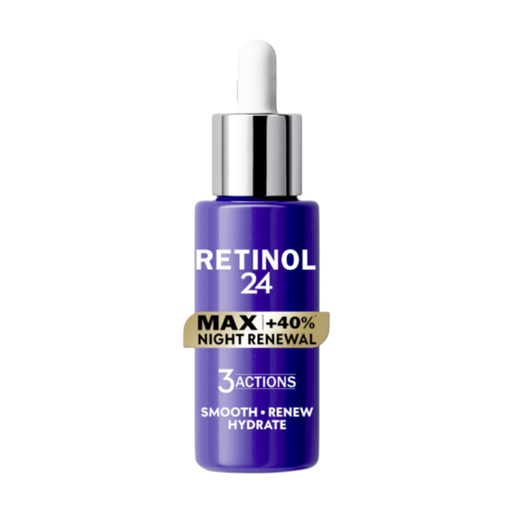
Why it suits this profile: This fragrance-free night formula has a lightweight texture and contains glycerine and retinyl propionate. That makes it a straightforward introduction for anyone looking for a simple retinol night serum.
The product information does not state a specific percentage. This means you are choosing it based on its ingredients and use as a night serum, rather than on an apparently high figure.
40 ml, fragrance-free, with glycerine and a dispenser. Olay states that the product helps to hydrate and smooth the skin.
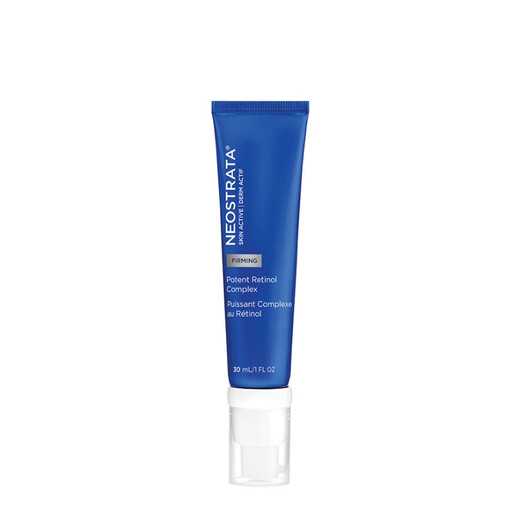
Why it suits this profile: The formula contains 0.3% pure retinol, 4% niacinamide, neoglucosamine, hyaluronic acid and centella asiatica. This is a good fit for users who want to compare ingredients and dosage carefully.
The product description lists specific active ingredients and recommends building up usage: start with one or two applications per week, then gradually increase.
0.3% retinol, 4% niacinamide, hyaluronic acid and 30 ml contents. The manufacturer recommends applying it to clean skin, followed by a moisturiser.
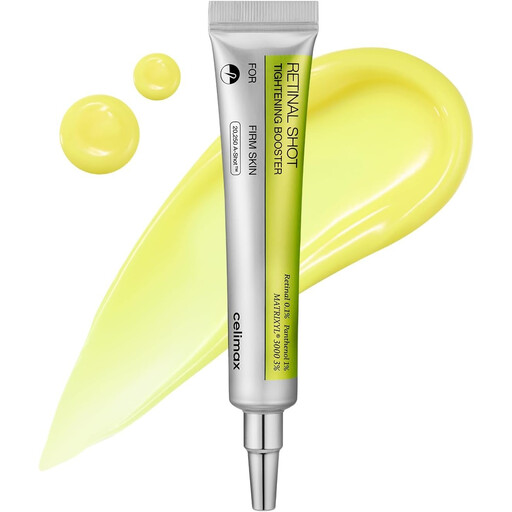
Why it suits this profile: According to the product information, this retinal serum contains 0.1% pure retinal and 3% Matrixyl 3000. The small pack size and targeted dosage suit users who want to use a retinal formula deliberately.
The directions recommend using it every other evening for the first two weeks. This allows you to adjust the frequency while your skin is still getting used to it.
0.1% retinal, 3% Matrixyl 3000, 15 ml and intended for evening use only. The manufacturer recommends using SPF the following morning.
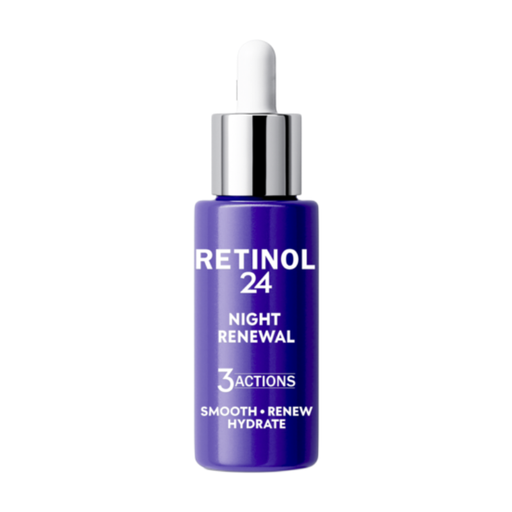
Why it suits this profile: The product details describe a fragrance-free formula for normal and sensitive skin, containing glycerine, niacinamide and retinol, among other ingredients.
The fragrance-free label makes it easier to choose for anyone who prefers to avoid perfume in facial skincare. Irritation is still personal, however, so a patch test remains advisable.
40 ml, fragrance-free, with retinol, retinyl propionate and niacinamide. The manufacturer recommends evening use and daily UV protection.
We’ve put together a complete, up-to-date list of products that fully meet these strict selection criteria and the applicable European safety regulations.
Start with a small amount on clean, dry skin. For example, use the serum on two evenings per week and only increase the frequency if your skin tolerates it well. Follow with a moisturiser. A niacinamide serum or cream can be used alongside retinol, but always check your complete routine to avoid overloading your skin with active ingredients.
Use SPF the following morning. Do not apply retinol directly around the eyes unless the product description explicitly permits it. Wash your hands after use and store the product according to the label, usually in a cool place away from direct sunlight.
For beginners, twice a week is a practical starting point. Increase usage gradually and reduce the frequency if you experience redness, flaking or a burning sensation. Always follow the product’s specific directions.
Most retinol serums are intended for evening use. Some capsules state that they can be used during the day, but daily SPF is still essential. Check the packaging and avoid unnecessary exposure to sunlight.
This depends on the contents, dosage and frequency of use. A 30 ml product will generally last longer when used a few times a week than when you use several drops every day. Also check the expiry date and period-after-opening information on the packaging.
