
Vandaag of morgen in huis

Kwaliteit gegarandeerd

Welkomstaanbiedingen ontgrendelen: GRATIS bezorging | Tot 80% korting | Gratis 30 dagen JoyPlus-proefperiode
Download de app
Struggling with bloating, irregular bowel movements, or other digestive issues? You're not alone. The market for supplements promising to restore your gut flora is enormous, but it's filled with pitfalls. Many products make big promises they can't keep, causing you to waste money with no results. As a Joybuy Product Recommendation Officer, I'll help you see through the marketing hype.
Before you buy anything, it's crucial to recognise these common pitfalls:
probiotics is often not enough. If your diet lacks sufficient fibre or if you're missing a specific enzyme (as with lactose intolerance), you're not addressing the root of the problem and won't be able to effectively alleviateconstipation.To choose a product that can genuinely contribute to improving your digestion, it's helpful to pay attention to a few concrete specifications. These are the factors that make the difference between a smart purchase and money down the drain.
Not all bacteria are created equal. Look for products that specify the strains on the label. Certain strains are more frequently associated with specific conditions. A product like Lucovitaal probiotics often specifies its strains, which helps in making an informed choice. A broad mix of Bifidobacterium and Lactobacillus can contribute to overall balance, while specific strains like Lactiplantibacillus plantarum are often studied in relation to bloating.
The number of Colony-Forming Units (CFU) indicates how many living bacteria a product contains at the time of manufacture. But pay special attention to technologies like micro-encapsulation. This is a type of protective coating that ensures the probiotics survive stomach acid and arrive alive in the intestines, where they need to do their work. A lower CFU count with good survival technology can be more effective than a high count without it.
Good bacteria need food. That's where prebiotics (like inulin and FOS) and fibres such as psyllium fibre come into play. They act as a food source and help the good bacteria to thrive. A product that combines both pro- and prebiotics offers a more complete approach to promoting bowel regularity and supporting gut health.
Everyone is different and has different needs. Below you'll find several product options, linked to specific situations and user profiles.

Why This Fits Their Persona: This profile is looking for targeted relief from the symptoms of irritable bowel syndrome (IBS), such as gas, diarrhoea, and constipation. This product is specifically designed as a medical device for these complaints.
Instead of a vague probiotic mix, this product tackles symptoms with ingredients like bentonite (natural mineral clay) and dimethicone, which help with gas and normalising bowel function.
Classified as a medical device for the relief of IBS symptoms. It focuses on reducing pain and discomfort caused by gas build-up.
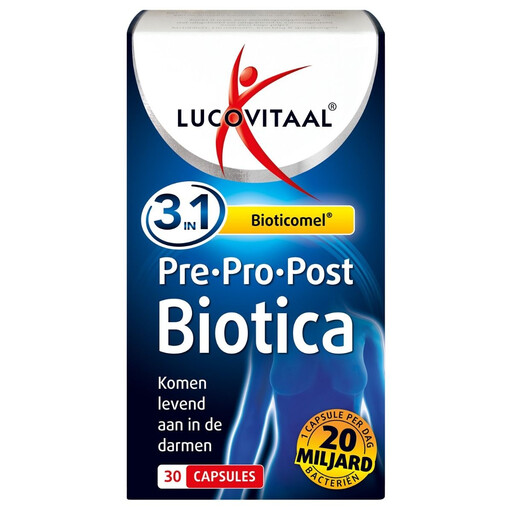
Why This Fits Their Persona: Ideal for those who want to proactively support their gut health and immune system. This user is looking for a complete, daily supplement for a stable gut flora.
This product specifies its 6 bacterial strains and the quantity (20 billion CFU). It also mentions the micro-encapsulation technology for better survival and includes pre- and postbiotics, thus not skipping the fundamentals.
A 3-in-1 formula with pre-, pro-, and postbiotics. Also contains vitamin C to support the immune system. A complete approach in one capsule per day.

Why This Fits Their Persona: This person mainly suffers from slow or difficult bowel movements and wants to remedy this naturally. The focus is on increasing fibre intake for a more regular pattern.
This product addresses the problem at its source: a lack of fibre. It focuses on psyllium fibre and inulin (a prebiotic), which is a direct and logical approach to promoting bowel regularity.
Consists of 100% natural fibres (70% Psyllium and 30% Inulin). The powder is easy to mix with yoghurt or drinks and provides a high dose of fibre per serving.
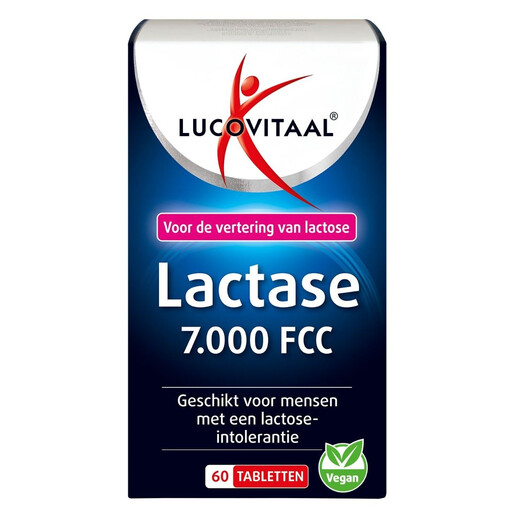
Why This Fits Their Persona: This user knows their symptoms (cramps, flatulence) occur after consuming dairy products. They aren't looking for general gut support, but a direct solution: lactase pills.
This product targets the core problem: a lactase enzyme deficiency. It's a targeted solution instead of a general probiotic that may not help with lactose digestion.
Contains a dose of 7,000 FCC lactase per tablet, which aids in the digestion of milk sugar. You take the tablets just before a lactose-containing meal for immediate support.
We've compiled a complete, up-to-date list of products that meet these selection criteria and comply with Dutch regulations.
This varies from person to person and by product. Some people notice a difference in issues like bloating within a few days, while for others it may take several weeks for the gut flora to stabilise. Regular intake according to the directions on the packaging is important.
Not always. Many modern probiotics, especially those with micro-encapsulation technology, are stable at room temperature. Always read the storage instructions on the packaging. If refrigeration is recommended, it is crucial for keeping the bacteria alive.
Yes, this is often a great combination. Fibres like psyllium fibre or inulin act as prebiotics, or food for the probiotic bacteria. This can enhance the effectiveness of the probiotics. Just be sure to drink plenty of water when you take extra fibre. If in doubt or if you are taking medication, always consult a doctor or pharmacist.
