
Vandaag of morgen in huis

Kwaliteit gegarandeerd

Welkomstaanbiedingen ontgrendelen: GRATIS bezorging | Tot 80% korting | Gratis 30 dagen JoyPlus-proefperiode
Download de app
Dull, dry, or damaged hair can be a source of frustration. Split ends, breakage after brushing, or a lack of shine are common problems, often caused by heat styling, colouring, or environmental factors. A good restorative shampoo is not an indulgence, but a targeted solution.
As a Joybuy Product Recommendation Officer, I'm here to help you navigate the vast selection. In this article, we'll highlight several popular choices and provide practical tips so you can find a shampoo that meets your hair's specific needs.
Before you make a choice, it's helpful to know what to look for. An effective shampoo does more than just cleanse; it addresses the root cause of the damage.
The ingredients list reveals a lot about a shampoo's performance. Products with active ingredients often provide a more targeted approach.
Not all damage is the same. Determine what your hair needs most.
Based on product specifications and their intended effects, we have compiled a list of compelling options for you.

Why it stands out: This shampoo uses a formula with glycolic acid, an ingredient known for its exfoliating and smoothing properties in skincare. L'Oréal applies this to fill and seal the hair cuticles, which ensures better light reflection and thus more shine.
Key Benefits:
Who is it for? Ideal for those with dull and porous hair who are looking for an effective shine-enhancing shampoo for a smooth and radiant result.
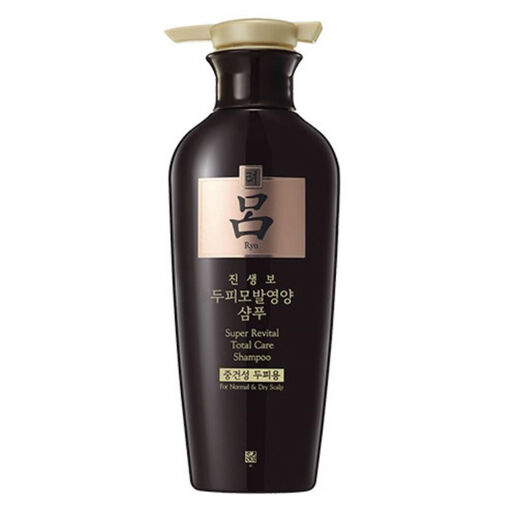
Why it stands out: This shampoo is distinguished by its Korean herbal formula with black ginseng essence. The focus is not only on the hair itself but also on scalp care, which is essential for healthy hair growth and combating hair aging.
Key Benefits:
Who is it for? A great choice for people with a dry scalp, lifeless hair, or early signs of hair loss. This anti-aging shampoo offers a nurturing approach that starts at the root.
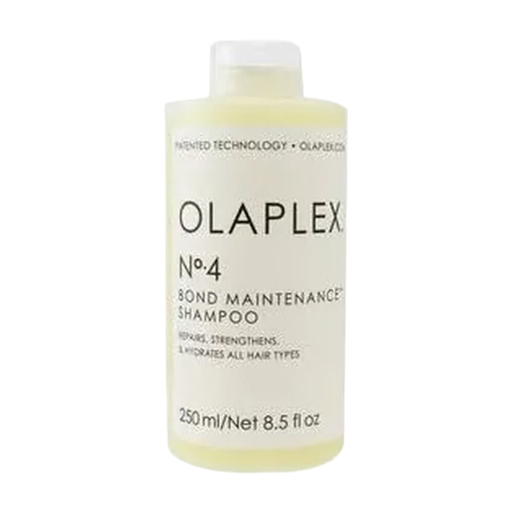
Why it stands out:Olaplex shampoo is renowned for its patented technology that focuses on repairing broken disulfide bonds in the hair. These bonds become damaged by chemical treatments and heat, leading to breakage and lifelessness. The No.4 shampoo is designed to address this damage at a molecular level.
Key Benefits:
Who is it for? This is a highly targeted shampoo for damaged hair, especially for those who regularly colour, bleach, or use heat styling tools.
The right shampoo is a personal choice. If the options above don't quite match what you need, or if you simply want to explore more possibilities, a wider range is available.
View our full range of cleansing shampoos for more choices.
A restorative shampoo goes beyond simple cleansing. Its formula contains active ingredients designed to tackle specific problems, such as replenishing moisture, strengthening the hair structure, smoothing the cuticles for more shine, or nourishing the scalp. The goal is to visibly and tangibly improve the condition of the hair.
This depends on the condition of your hair and the product's instructions. For intensive repair shampoos, 2 to 3 times a week is often sufficient. Washing too frequently can strip the hair of its natural oils. You can alternate with a milder, hydrating shampoo if needed.
Not necessarily, but for certain hair types, it's a clear advantage. A sulfate-free shampoo is gentler and therefore highly suitable for people with dry, colour-treated, or chemically processed hair. It can also help prevent irritation for those with a sensitive scalp, as it is less likely to disrupt the skin's natural protective barrier.
