
A maker who wants to show inclusions
You want the tiny details inside a charm to be recognisable, so compare the magnification of the specific lens rather than just the camera body.


Start with the size of the details you want to show and how much room you need to position light around a shiny resin charm. A compact camera with a built-in close-up function doesn’t need a separate lens; with a mirrorless camera, magnification and working distance depend on the specific lens. For occasional portfolio photos, first try some test shots with your current camera or phone, a stable setup and diffused light.
You want the tiny details inside a charm to be recognisable, so compare the magnification of the specific lens rather than just the camera body.
You want room and control to reduce distracting reflections and photograph several charms in similar lighting.
You want to take portfolio photos without immediately buying a camera body, an extra lens and a full setup. So first see what your current device can do.
First decide whether you need to focus on tiny inclusions, controlled lighting, a straightforward start or a complete setup you can expand.
| What to consider | What should you check? | Who is this more important to? |
|---|---|---|
| Tiny details | Compare the maximum magnification and working distance of the specific lens or close-up mode. Assess a test photo at the size you plan to show it in your portfolio. | If I want to show tiny inclusions clearly, I want to know how large they’ll appear in the frame and how much room there’ll be in front of the lens. Around 31% of consumers give detail reproduction top priority. |
| Reflections and lighting | Test whether you can position the camera and light source around the charm without unwanted reflections. Canon describes using a tripod to frame product photos consistently. | With shiny charms, I want to position the light and camera so that reflections don’t dominate my photos and I can frame each shot consistently. Around 31% of consumers put reflection control first. |
| Getting started easily | First take a test shot with your current device. Then compare the close-up capabilities and ease of use of any compact camera you’re considering. | If I mainly photograph complete charms, I want to try using my current device before adding separate equipment. Around 19% of consumers choose an easy start as their main consideration. |
| A complete setup | Check exactly what’s included in the kit, which lens comes with it and the lens mount. Assess the complete usable combination, not just the camera body. | When I want to capture tiny details, I want to know in advance which lens and setup accessories I’ll need. Around 19% of consumers give a complete setup top priority. |
A short focusing distance alone doesn’t tell you how large a detail will appear in the frame. The space in front of the lens also matters when positioning your light.
Check both the maximum magnification and the working distance of the specific lens or camera setting.
Magnification specifications apply to particular lenses, not automatically to every kit with the same camera body. Check which lens is actually included and whether it suits the detail you want to photograph.
You may need a separate macro lens and setup accessories in addition to the camera body or kit.
Read the kit contents and check the lens specifications before choosing a combination.
With shiny resin, the camera and its surroundings can be visible. Camera positioning, lighting and a clean surface will still affect the photo.
Take test shots from different angles using diffused light before considering a different camera body.
The EOS R50 is a mirrorless camera option for portfolio photos; assess the body alongside a suitable RF lens.
The α6400 has an E-mount; choose a suitable macro lens separately and check exactly what’s included in the kit.
The Z50II is an interchangeable-lens option; assess the camera alongside the specific NIKKOR Z lens.
The Tough TG-7 is a compact camera option for makers who want to explore a built-in close-up function.
This Joybuy selection includes cameras for photography and content creation. Check each model’s close-up capabilities before using it to capture tiny details in resin.
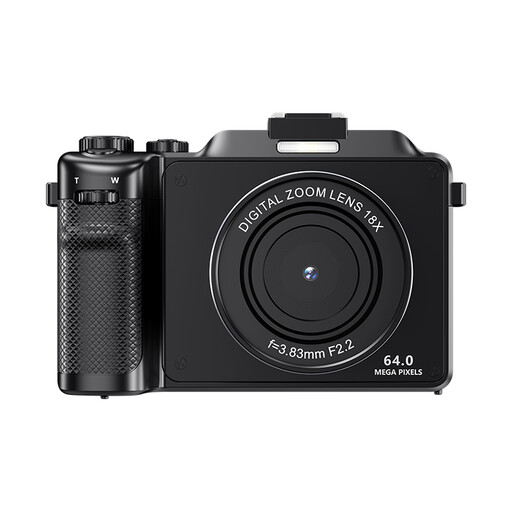 No image available
The product title describes it as a camera for beginners’ photography and video; check its close-up capabilities before choosing it for tiny inclusions.
The title lists 4K, 64 MP and 18× digital zoom. The product description notes that digital zoom can reduce image quality.
 No image available
The product information lists this compact camera for photography and content creation; check its close-up capabilities for resin charms separately.
The product title lists a 1-inch CMOS sensor, 4K/120fps video, 3-axis stabilisation, fast focusing and a 2-inch rotating touchscreen.
 No image available
The product title lists photography and video; take a test shot first to see whether the close-up rendering works for your charms.
The title lists 4K, 44 MP and 16× zoom.
 No image available
The product description lists a Product Showcase setting for product-focused shots; separately check whether the included zoom lens can capture the close-ups of resin charms you want.
The product description lists a 24.2 MP APS-C sensor and a setting that shifts focus from your face to the subject.
No. First decide how large you want the detail to appear in your final photo. Sony explains that maximum magnification shows the ratio between the image projected onto the sensor and the subject’s actual size; 1:1 is one option, not a general requirement for every portfolio photo.
Secure your camera and keep the background and setup the same. Canon describes using a tripod for consistently framed product photos; with shiny charms, also check whether the angle of the light and camera causes distracting reflections.
Yes, if the included lens doesn’t offer the magnification you need. The macro capabilities mentioned for Canon, Sony and Nikon lenses apply to specific lenses, so check which lens is actually included with the offer.
According to Ondernemersplein, consumers generally have a statutory 14-day cooling-off period for online purchases, starting the day after delivery. If a consumer product is faulty, the seller must handle the statutory warranty, according to the Dutch government. If you’re buying for your business, don’t assume the same consumer rules automatically apply.