
Vandaag of morgen in huis

Kwaliteit gegarandeerd

Welkomstaanbiedingen ontgrendelen: GRATIS bezorging | Tot 80% korting | Gratis 30 dagen JoyPlus-proefperiode
Download de app
Resealable storage bags may seem simple, but the differences between bags for snacks, leftovers and freezer items are significant. The wrong size, a weak seal or unclear information about reuse can mean your food leaks, dries out or ends up unused in the cupboard.
With this practical buying guide, you can compare size, closure, material, number of bags and usage. That way, you can make a more informed choice between ziplock bags, freezer bags, food storage bags and reusable storage bags.
A pack with lots of bags may seem good value, but always check the capacity of each bag. For example, a set of 120 bags of 1.5 litres is handy for regular freezing, whereas a box of 30 bags of 3 litres is better suited to large portions or meal prepping.
So compare:
A press-seal strip or slider seal only works properly if the bag isn't overfilled. Sharp bones, hard edges and protruding foods can damage the material. Liquid products also need care: leave some room and check that the seal is fully closed.
Claims such as "100% leak-proof" or "airtight" come from the brand or product description. Don't take this as a free pass to fill bags with soup or marinade without checking them.
Some resealable bags can be washed and reused. That doesn't mean they are suitable for the microwave, oven, boiling water or open flame. Always check the usage instructions on the packaging.
With food bags, it's wise to clean them thoroughly after use and let them dry completely. Don't reuse them if the material is torn, warped or heavily discoloured.
Choose the capacity based on what you usually store:
A transparent bag helps you quickly identify the contents. A write-on panel or label area is handy if you store several bags in the freezer. For frozen food, for example, note the contents and date.
A traditional ziplock is sealed by pressing the edge closed by hand. A slider seal can be practical if you open and close the bags frequently. Check whether the bags can stand upright: a stand-up design is useful for sauces, marinades and larger portions, but may take up more space.
For sandwiches or dry snacks, simple sandwich bags without a zip may be sufficient. For leftovers, fridge storage and freezer use, resealable bags with a clear closure are usually more practical.
Many plastic storage bags are intended for storage at room temperature, in the fridge or in the freezer. Look at the instructions for the permitted temperature range. A product that is described as suitable for temperatures from -20 °C to 100 °C still shouldn't be used in an oven or on a heat source without further checks.
Maxcook bags in aluminium foil style are made, according to the product information, from PET, aluminium and PE. The description mentions a slider seal, washability and use in the fridge and freezer. The same description warns against the microwave, oven, boiling water, open flame and storing sharp items.
Also check the packaging to see if the bag is intended for food contact. Look out for any symbols and the specific instructions from the manufacturer.
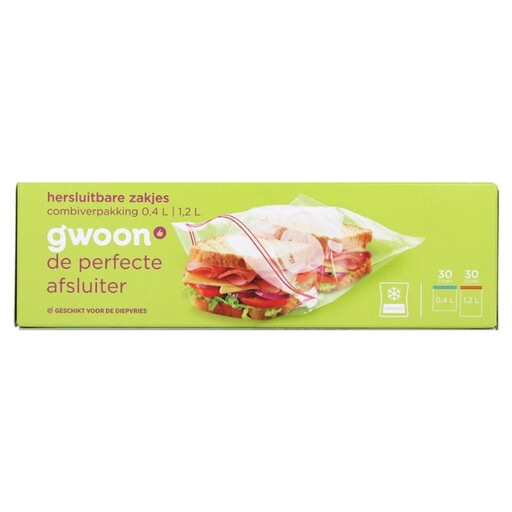
Why this fits the profile: The set contains 30 bags of 0.4 litres and 30 bags of 1.2 litres. That gives households two common sizes for snacks, small portions and leftovers.
The two sizes reduce the chance of storing small amounts in bags that are too big. Do check the seal and don't overfill the bags.
60 bags in total, two capacities, transparent material and, according to the product information, suitable for meal prep and organisation.
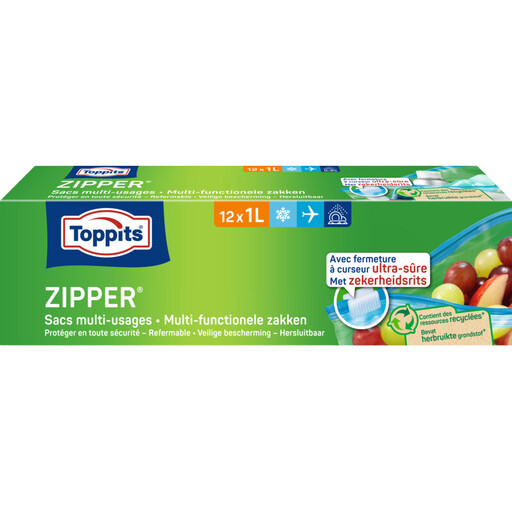
Why this fits the profile: For those who want one size for the fridge, freezer, snacks and marinades. According to the product description, these bags are reusable and suitable for the dishwasher.
The product information mentions a seal and sturdy film. Still, use the bags according to the instructions and check them for damage after washing.
1 litre capacity, according to the manufacturer suitable for reuse and the dishwasher, and usable for food and small household items.
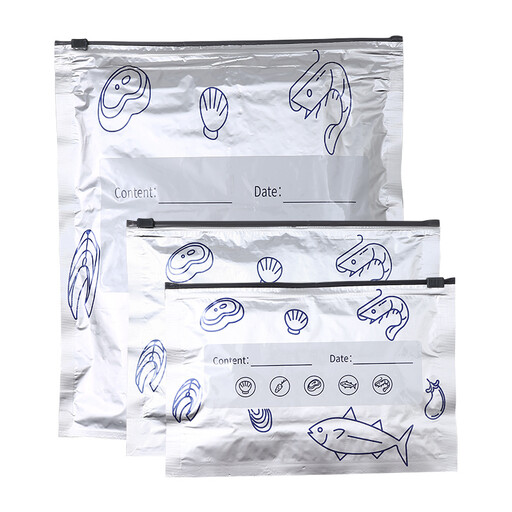
Why this fits the profile: Meal preppers and households that store meat, fish or vegetables in multiple portions get three sizes with 10 bags each.
The different sizes limit unnecessary empty space. The write-on panel helps you note the contents and date. Sharp items and overfilled bags remain points to watch.
According to the product description: PET, aluminium and PE layers, slider seal, three sizes, write-on panel and a stated temperature range of -20 °C to 100 °C.
We've put together a full, up-to-date list of products that fully meet these strict selection criteria and current European safety regulations.
Fill a bag on a flat surface if possible. Gently press out excess air when freezing food, but leave expansion room for liquids. Place leak-prone bags horizontally in the freezer until the contents are frozen.
Wash reusable bags with mild washing-up liquid, rinse them thoroughly and let them air dry completely. Store dry bags away from direct sunlight and heat. Only use plastic storage bags for food when the product information permits food contact.
That varies by product. Freezer bags are specifically designed for low temperatures, but ordinary ziplock bags aren't automatically suitable for long-term freezer storage. Check the packaging and the stated temperature range. Seal the bag properly and avoid sharp edges that could puncture the material.
There is no fixed lifespan for all bags. The durability depends on the material, cleaning and frequency of use. Replace a bag as soon as you see cracks, a lingering odour, a warped seal or leakage. A brand's claim of "reusable" is no guarantee of unlimited use.
That depends on how often you reuse them and how many bags you need. Disposable bags are often practical for portions and freezer storage. Reusable variants may need replacing less often with regular use, but they do require cleaning and drying time. So compare the price per bag and the expected usage.
