
Vandaag of morgen in huis

Kwaliteit gegarandeerd

Welkomstaanbiedingen ontgrendelen: GRATIS bezorging | Tot 80% korting | Gratis 30 dagen JoyPlus-proefperiode
Download de app
A bag with a closure seems simple enough, but in practice problems can quickly arise. A size that's too small tears when you fill it, a closure that doesn't seal properly lets moisture leak out, and a bag without clear usage instructions isn't automatically suitable for the freezer. If you only look at the number of pieces or a low price, you could end up spending more in the long run.
With these points in mind, you can compare resealable freezer bags, freezer bags and other food storage bags based on the features that really matter in a British household.
A pack with lots of bags may seem like good value, but first check the capacity per bag. For snacks and small portions, 0.4 or 1 litre is practical. For leftovers, chopped vegetables or a complete meal, 1.5 to 4.5 litres can be more useful. So divide the price by the number of bags and compare the capacity too.
A zip-lock or slider closure helps to seal the contents, but that doesn't mean every bag is suitable for liquids. Don't fill bags with soup, sauce or marinade right to the top. Leave some space and, ideally, lay the bag flat in the freezer. Also check that the closure is fully sealed before you move the bag.
Product information may state that a bag is washable and reusable. Its practical lifespan depends on the material, how you clean it and what you store inside. Sharp bones, hard edges and frozen items can damage the material. Don't reuse a bag if you notice any tears, a deformed closure or a lingering odour.
Choose the size based on how you'll use it:
Bear in mind that the stated capacity isn't the same as the amount you can safely and neatly fill. A bag that's too full is harder to seal and can come under more strain in the freezer.
A standard zip-lock closure is compact and easy to use. A slider closure can be useful if you open and close the bag frequently, or if you want a visual check that the opening is sealed. A stand-up bag makes filling easier, while a flat bag takes up less space when you freeze it horizontally.
For the fridge and freezer, transparent food storage bags are practical: you can see the contents without opening the bag. A writable panel helps you note the product name and freezing date. That prevents confusion when meal prepping.
Check whether the product is stated on the packaging as suitable for food and for use in the fridge or freezer. Some models have a specified temperature range. The Maxcook bags in this selection, for example, state a range of -20 °C to 100 °C, but the product information also warns against use in the oven, microwave, boiling water and over an open flame. So a temperature range doesn't mean the bag is intended for heating.
With reusable food bags, thorough drying is important. Wash them according to the instructions with mild washing-up liquid, rinse them thoroughly and leave them to air dry completely. Then store them dry and out of direct sunlight.
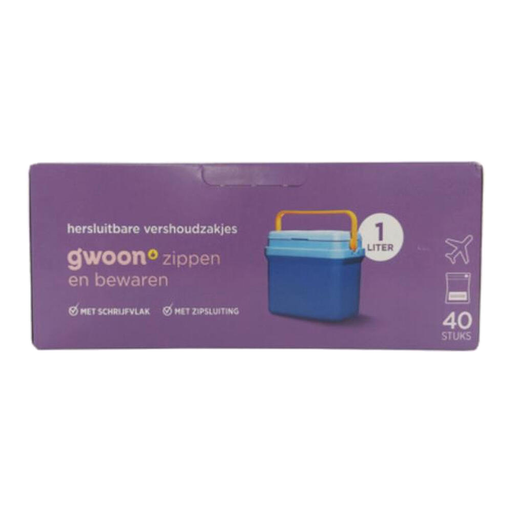
Why this fits the profile: The 1-litre size is straightforward for snacks, small leftovers and everyday fridge storage. According to the product details, the pack contains 70 pieces, so you'll have plenty of bags on hand.
The clear capacity stops you from buying bags that are too large for small portions. Do check the packaging, as the product title and description state a different number of pieces.
1 litre per bag, transparent material and a zip-lock closure. According to the product description, suitable for the fridge and pantry.
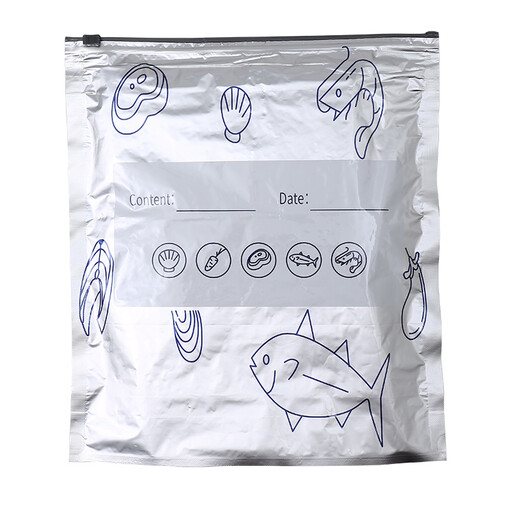
Why this fits the profile: This model combines a multi-layer PET, aluminium and PE structure with a slider closure, stand-up design and writable panel.
The stated specifications make the material, size and intended use verifiable. The warning against heating prevents incorrect use.
10 bags measuring 26 × 29 × 7 cm, a writable label panel and, according to the product information, suitable for the fridge and freezer at -20 °C to 100 °C.
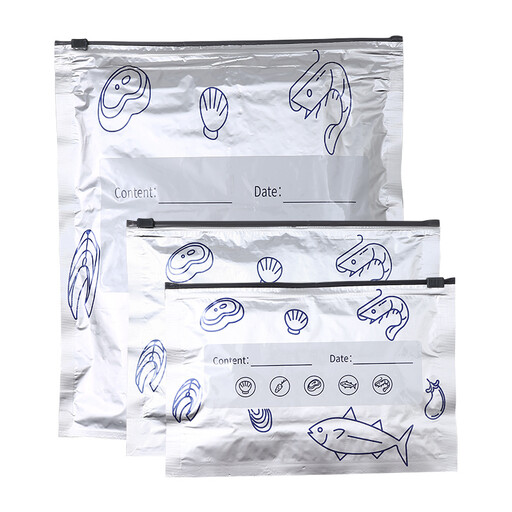
Why this fits the profile: The set includes three sizes: 20 × 13 × 5 cm, 23 × 17 × 5 cm and 26 × 29 × 7 cm, with 10 of each. That suits families and meal preppers with varying portion sizes.
You don't have to use one large bag for every portion. The different sizes reduce overfilling and wasted freezer space.
30 bags, three sizes, slider closure, stand-up design and a writable label panel. According to the product information, the bags are washable and reusable.
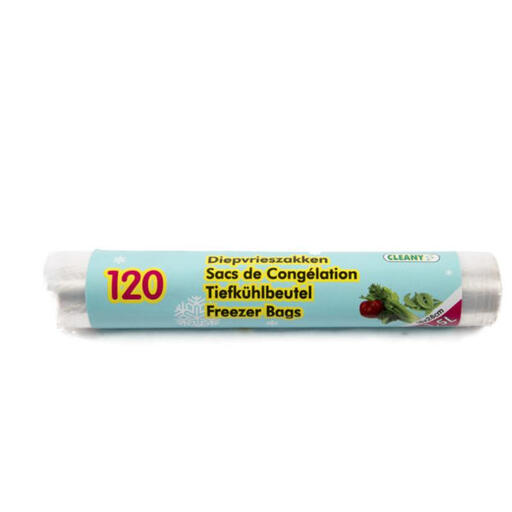
Why this fits the profile: A pack of 120 bags at 1.5 litres each is practical for anyone who regularly freezes fruit, vegetables, meat, leftovers or prepared meals.
The fixed capacity and large quantity make the cost per bag easy to compare. Don't overfill and check the closure before freezing.
1.5 litres per bag, 120 bags per pack and, according to the product description, suitable for the fridge and freezer.
We've put together a full, up-to-date list of products that fully meet these strict selection criteria and current European safety regulations.
You can with models whose product information mentions reuse and washing. Wash the bag with mild washing-up liquid, rinse it well and let it dry completely. For raw meat, fish or strongly scented products, single use is sometimes more practical. Check the material for tears and wear after every use.
Not automatically. Even when a product is described as leak-proof, you need to fully seal the closure and not overfill the bag. With soup, sauce or marinade, leave room for expansion during freezing. Store the bag flat or place it in a container until the contents are frozen.
Remove as much excess air as possible before sealing the bag. Write the contents and date on the bag, and use smaller portions when you often freeze leftovers. Transparent storage bags let you see the contents, while a label stops older stock from being forgotten.
