
Vandaag of morgen in huis

Kwaliteit gegarandeerd

Welkomstaanbiedingen ontgrendelen: GRATIS bezorging | Tot 80% korting | Gratis 30 dagen JoyPlus-proefperiode
Download de app
A replacement filter for an air purifier may seem straightforward to choose. Yet many households order a filter that does not quite fit, uses the wrong filter type or lasts less time than expected. Particularly with models from Blueair, homerunPET, Homintell, TRULIVA, JAFANDA and BISSELL, the model name matters more than dimensions alone.
This buying guide helps you distinguish marketing claims from verifiable product information. That way, you can choose an air purifier filter that matches your device, household and usage frequency.
A round or rectangular filter may look like a match, but the mounting system, airflow and filter height can differ. Always check the exact device model. For example, a filter for the Blue Pure 511i Max is not automatically suitable for another Blueair air purifier.
Pay attention to the product name as well. “Blue Pure Mini Max” and “Mini Restful” refer to different devices and do not necessarily require the same filter.
Terms such as H13 HEPA filter and H14 HEPA filter indicate a filter class, but performance also depends on the construction of the complete filter, the seal and the airflow within the device. A standalone H13 or H14 filter is therefore not a universal upgrade for every air purifier.
When a brand states a particular removal rate or particle size, treat it as a claim from that brand’s product information. For example, homerunPET’s product description for the D1 filter lists an H14 filter and a filtration claim of 99.99% down to 0.03 microns. This information comes from the manufacturer or seller and is not a general guarantee for every usage scenario.
A washable pre-filter typically captures larger particles such as hair, lint and coarse dust. The main filter, which contains HEPA material and activated carbon, should generally not be washed. A wet or damaged filter can affect the device’s performance.
For example, the BISSELL CrossWave filter states that the foam filter can be washed by hand and must be allowed to dry completely. Always check the details for the specific product: the BISSELL filter information also states that it is not dishwasher-safe.
Before purchasing, note the following:
A homerunPET D1 filter is designed for the homerunPET Air Purifier D1. The separate sponge filters for this device are a different component: according to the product description, they primarily capture hair and larger particles and should be replaced approximately every one to two months, depending on the amount of pet hair.
An air purifier filter may consist of several layers:
For households with pets, a combination of pre-filter, HEPA filter and activated carbon filter is often more practical than a fine-particle filter alone. If your main priority is capturing pollen and dust, look for a clearly specified dust and pollen filter.
There is no single replacement schedule that suits every household. Smoking indoors, renovation work, pets, abundant textiles and extended daily use can all put greater strain on a filter.
Product information refers to the following intervals:
Use these periods as a guideline and also follow your device’s manual. A visibly dirty pre-filter is not always a reliable indication of the condition of the HEPA section.
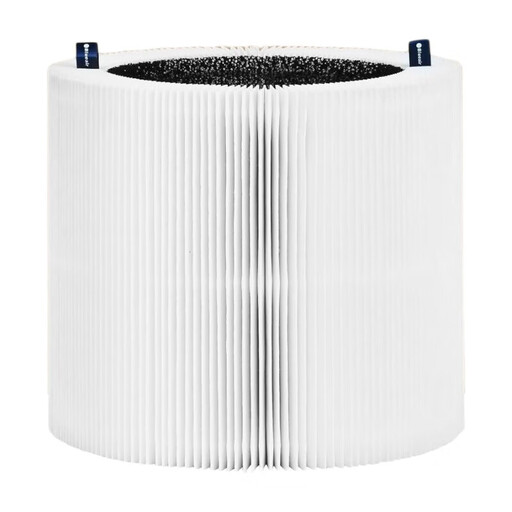
Why it fits: According to the product details, this filter is designed for the Blue Pure Mini Max. Its compact format makes it well suited to use in a small room or home office.
Compatibility with the Mini Max is clearly stated. The recommended replacement interval of approximately six months is also specified.
Combines a particle filter with an activated carbon filter; according to the product description, it is suitable for dust, pollen, pet hair and mild household odours.
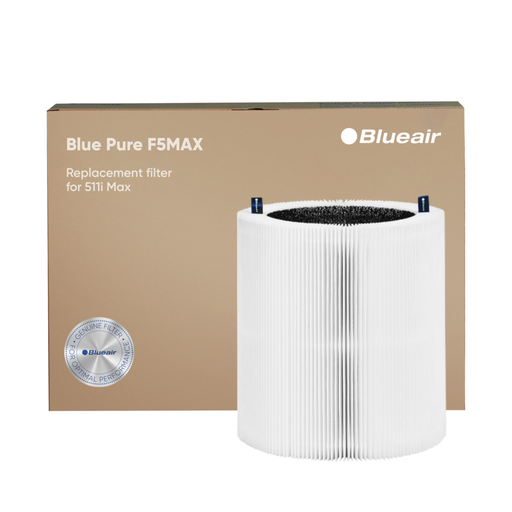
Why it fits: The product information specifically names the Blue Pure 511i Max. This makes it a logical choice when you are looking for a compatible original replacement filter.
You do not have to rely on dimensions alone: the intended Blueair model is explicitly listed with the product.
The product description mentions HEPASilent technology and a filter lifespan monitored by the device.
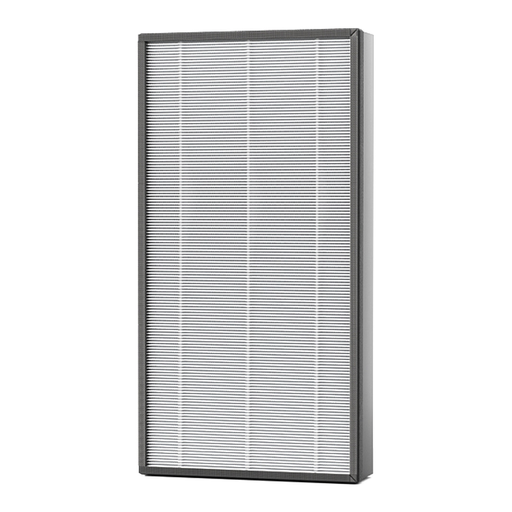
Why it fits: This filter is specifically matched to the homerunPET D1 and, according to the product description, combines a pre-filter, H14 HEPA filter and activated carbon.
The filter layers and model are clearly specified. This makes it less likely that you will confuse the main filter with the separate, non-washable D1 sponge pre-filters.
Well suited to households where hair, dust and odours require extra attention; the filter is supplied as a complete set.
Browse our current range and compare products by compatibility, filter type and maintenance requirements.
Switch off the air purifier and unplug it before replacing the filter. Remove the old filter according to the manual and insert the new one in the correct orientation. Close the compartment securely before switching the device on again.
Also keep the following points in mind:
Check the brand, model number and shape of your air purifier. Then look for a filter whose compatibility information explicitly lists that model. Also check whether you need a main filter, pre-filter or sponge filter.
This depends on usage, indoor air quality and the level of contamination. Product information often suggests six to twelve months for main filters, while a pre-filter may last longer if it is washable. In households with several pets, a filter may become saturated more quickly.
Usually not. An H13 HEPA filter, H14 HEPA filter or combined filter with activated carbon will generally need to be replaced. Only a pre-filter or foam filter may be washable in some cases. Always follow the instructions for the specific product and device.
