
Vandaag of morgen in huis

Kwaliteit gegarandeerd

Welkomstaanbiedingen ontgrendelen: GRATIS bezorging | Tot 80% korting | Gratis 30 dagen JoyPlus-proefperiode
Download de app
A repairing face mask may seem like a simple purchase, but the difference between a suitable formula and a disappointing buy often comes down to the details. A mask can feel pleasantly hydrating without being suitable for sensitive skin. A long ingredients list or eye-catching claim does not automatically say anything about how the product will feel to use.
So check the formula, application time and size before ordering. This will help prevent the product from sitting unused in your bathroom.
Words such as repair, recovery and barrier care generally refer to cosmetic skincare. They do not mean that a mask treats a skin condition or medically repairs damaged skin. Focus on verifiable information, such as the ingredients, the number of masks per pack and the usage instructions.
Take care when your skin is irritated or damaged. Do not use a mask on open wounds, and stop if you experience a burning sensation, itching or increasing redness. If symptoms persist, ask a GP or dermatologist for advice.
A product containing collagen, ceramides, niacinamide or several types of hyaluronic acid may sound appealing. However, it is the formula as a whole that determines whether a mask is suitable for your skin. Fragrances, essential oils and exfoliating acids may also be less suitable for some users.
According to the product description, the Dear, Klairs Freshly Juiced Vitamin E Mask contains essential oils and fragrance allergens such as linalool and limonene. This is relevant information for anyone looking for a mask for sensitive skin.
A sheet mask used for 15 to 20 minutes is well suited to a quick skincare routine. A hydrogel mask that needs to be worn for three to four hours or overnight requires more planning. If you leave the mask on for too long, you may also experience a tight feeling once the product dries out.
Also check whether the product is intended for single use. Sheet masks, hydrogel masks and collagen face masks are generally designed to be used once.
For skin that feels dry, glycerine, hyaluronic acid, panthenol and other moisture-binding ingredients are common choices. They help the skin feel more comfortable and supple. A hydrating face mask is particularly practical after a dry spell, a long flight or exposure to cold wind.
If you are mainly looking for soothing care, consider centella asiatica, also known as cica, allantoin or dipotassium glycyrrhizate. A cica mask is not a medical treatment, but it may fit well into a gentle cosmetic skincare routine.
A sheet mask comes pre-dosed and is convenient to take with you. A gel or hydrogel mask often fits closely to the skin, but may require a longer wearing time. A cream or wash-off mask can be more convenient when you want to control the amount yourself.
Pay attention to the number of pieces. A box containing five masks is suitable for several weekly applications. A 90 ml tub or a pack containing 30 sheets may offer better value if you plan to use the product more often, but requires extra care to keep it hygienically sealed.
Check the ingredients list, shelf-life information and usage instructions on the packaging. Products containing acids can increase sensitivity to sunlight; during the day, use a sun protection product according to the instructions on the label.
If you have sensitive skin, first carry out a small patch test on a limited area of skin. Do not use a mask on irritated or damaged skin unless advised otherwise by a healthcare professional.
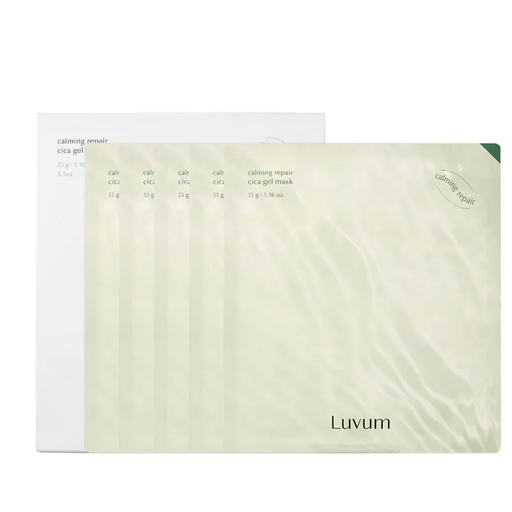
Why it suits this profile: The pack contains five individual gel masks. According to the product description, centella asiatica, hyaluronic acid and glycerine are included for a soothing and hydrating 15- to 20-minute routine.
The clearly stated quantity and short application time make it easier to try a cica mask without buying a large tub.
Five sheets per box; gel texture; centella asiatica, hyaluronic acid and glycerine according to the product information.

Why it suits this profile: This hydrogel mask is intended for users who want a longer, concentrated skincare session. The product description mentions ceramides, panthenol and several forms of hyaluronic acid.
The recommended wearing time is clearly stated: three to four hours during the day or overnight. This means you can decide in advance whether it fits into your routine.
Four 34-gram masks; hydrogel structure; ceramide NP, ceramide NS and panthenol in the ingredients list.
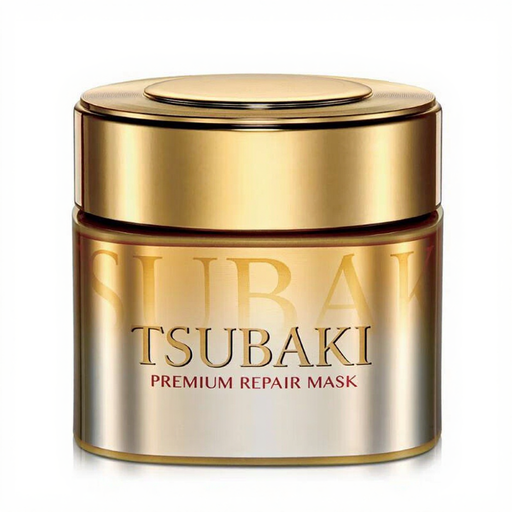
Why it suits this profile: For dry, frizzy or chemically treated hair, a repairing hair mask is a logical addition to your routine. According to the product description, this formula is designed for use after washing, for five to ten minutes at a time.
The instructions focus on the lengths and damaged areas. This prevents you from automatically applying a large amount to the scalp.
180 grams; use once or twice a week; ingredients list includes camellia seed oil and hydrolyzed conchiolin, among others.
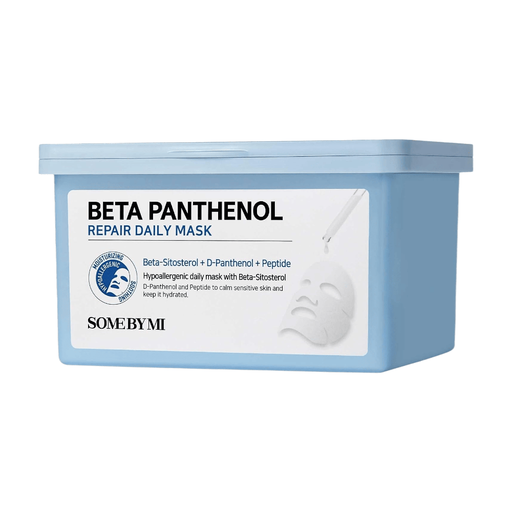
Why it suits this profile: The pack of 30 sheets is designed for regular use. The product information lists panthenol, glycerine, allantoin, ceramide NP and several forms of hyaluronic acid.
The daily version has a fixed application time of 10 to 20 minutes, making it less cumbersome than a mask that needs to be worn for hours.
Thirty sheets; 10,500 ppm panthenol according to the product information; suitable for a quick routine.
We have compiled a complete, up-to-date list of products that fully meet these strict selection criteria and the applicable European safety regulations.
A repairing face mask should complement a simple basic routine involving cleansing, hydration and protection from the sun. Do not expect one application to permanently change your skin. Instead, consider whether the texture feels pleasant, whether your skin feels comfortable and whether the product fits into your routine.
It depends on the formula. The Luvum variant mentioned above recommends using it two to three times a week, while a daily mask can be used for 10 to 20 minutes according to the product description. Always follow the label and reduce the frequency if irritation occurs.
Centella asiatica is often used in soothing formulas, but sensitivity varies from person to person. Check the full ingredients list and test the product on a small area of skin first. Do not use it on open or damaged skin.
A face mask is formulated for facial skin and is usually applied for a short time. A hair mask for damaged hair is distributed through the lengths and ends after washing, then rinsed out. Always choose a product intended for the correct area of application; a hair mask is not a substitute for facial skincare.
