What should you look for when choosing?
Compact stereo recorder
Choose this if: you want to record the rehearsal as a whole quickly using the built-in microphones.
Bear in mind: a stereo recording doesn’t automatically give you separate tracks to adjust a voice or instrument independently later.
Recorder with extra inputs and tracks
Choose this if: you want to capture both the room sound and a separate signal from a suitable microphone or mixer at the same time.
Bear in mind: you’ll need to plan your connections, signal level and microphone positioning in advance.
Recorder for lots of short notes
Choose this if: saving recordings and finding them later matters more than having separate instrument tracks.
Bear in mind: memory and search features alone don’t tell you how a recording will sound in your room.
| What to consider |
What should you check? |
Who should pay extra attention? |
| Loud rehearsals |
Check the specified maximum sound pressure level of the microphones on the exact model, then listen back to a test recording. |
If I want to capture the band as a whole during a loud section, I need to know how the built-in microphones are rated for it. Around 36% of consumers say recording a loud rehearsal is their top priority. |
| Spoken notes |
Test the microphone position and check whether your recorder has a suitable input for an external microphone. |
If I want to record ideas after practising, I need to be able to hear my voice clearly later without changing the whole band set-up. Around 29% of consumers prioritise clear spoken notes. |
| Separate signals |
Check the number of inputs and tracks, the connection for your source and the permitted input level. |
If I want to capture both the room sound and a separate signal, I need to check whether my microphone or mixer can actually connect to the recorder. Around 21% of consumers say separate signals are their top priority. |
| Storage and finding recordings |
Check the built-in memory or compatible cards, the power supply and how to transfer files. |
If I record lots of short diary clips, I want to be able to save and find them easily later. Around 14% of consumers prioritise organising and finding recordings. |
The percentages shown are estimates for a scenario involving consumers considering a recorder for a rehearsal diary; they are not survey results. Maximum sound pressure level figures are supplied by manufacturers and relate to individual models, not recording quality in your room.
Joybuy products
These Joybuy products are aimed at recording and saving spoken diary notes. Check whether the recording set-up is also suitable for capturing loud music in a rehearsal room.
 No image available
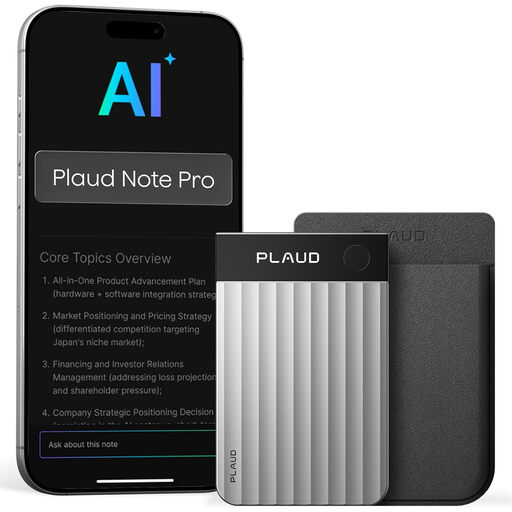
Plaud Note Pro AI Notes & Summary Voice Recorder (Silver)
Could suit spoken diary notes you want to record and process.
The product description lists 32 GB of storage, transcription and summaries.
Joybuy
 No image available
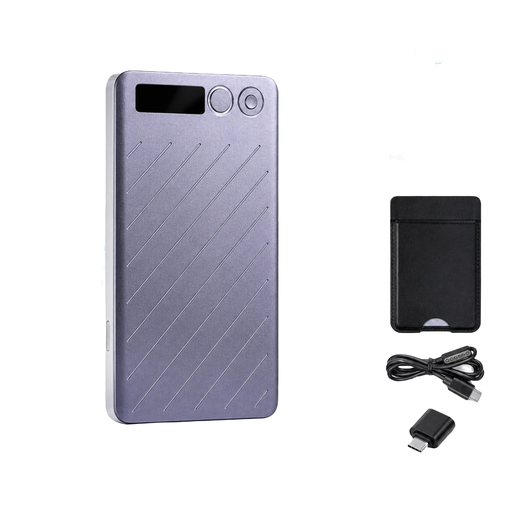
Digital Voice Recorder 64 GB with Transcription Function
Could suit recording and saving spoken reflections.
The product description lists 64 GB of storage, transcription and app control.
Joybuy
 No image available
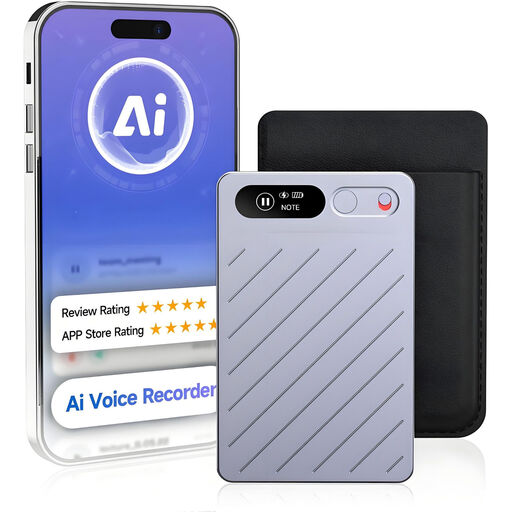
AI Dictation Device 64 GB Mini Voice Recorder
Could suit recording and revisiting spoken ideas.
The product description lists 64 GB of storage, transcription and summaries.
Joybuy
 No image available
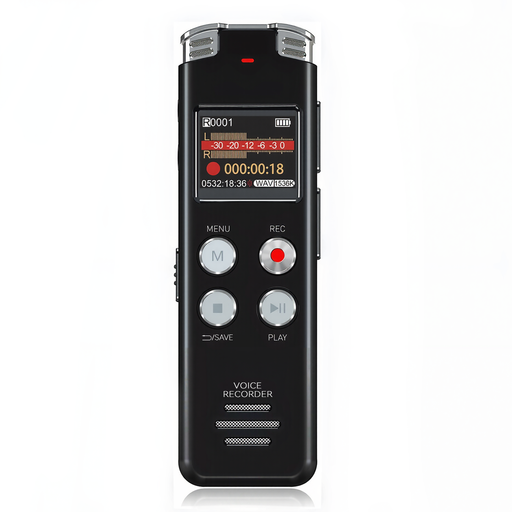
Rexsun L357 128 GB Portable Digital Voice Recorder
Could suit anyone who wants to record spoken notes and find them later by timestamp.
The product description lists one-button operation and recording in MP3 and WAV formats.
Joybuy
 No image available
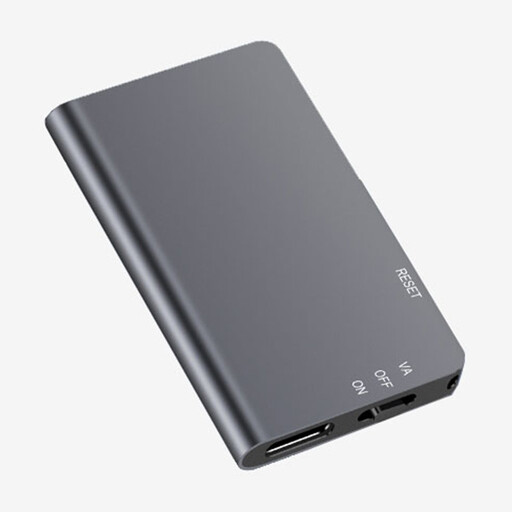
Rexsun L810 64 GB Digital Voice Recorder
Could suit anyone who wants to quickly record and save spoken diary clips.
The product description lists 64 GB of storage, WAV recording and one-button operation.
Joybuy
Frequently asked questions
Is 32-bit float enough to prevent distortion during a loud rehearsal?
No. Also check the specified maximum sound pressure level of the microphones on the exact model and listen back to a test recording. Zoom lists 120 dB SPL for the H1essential; Tascam lists 125 dB SPL for the DR-05XP. These are manufacturer specifications, not measurements taken in your room.
Where should you position the recorder if you can’t hear your spoken note clearly?
First, make a test recording closer to your voice and compare it with the planned position for the whole band. Shure explains that a microphone can’t remove a room’s reverberation. If you want a separate microphone for speech, also check that your recorder has a suitable input.
What should you check for storage and use?
Before your session, check the built-in memory or supported memory card, the power supply and how to transfer files. OM SYSTEM lists 16 GB of built-in memory for the LS-P5; Tascam gives a maximum operating time of 17.5 hours on two alkaline AA batteries for the DR-05XP. Actual battery life depends on how you use it.
What should you do if a recorder you bought in the Netherlands is faulty?
Contact the seller. According to the Dutch government, the statutory guarantee entitles you to a product that works properly, and there is no fixed statutory guarantee period of two years. What you can expect depends partly on the product and how it is used.
Can you record voices and music in the rehearsal room and share them online?
The rules differ between strictly personal use and publishing for a wider audience. The Dutch Data Protection Authority describes an exception for use solely for personal or household purposes within a limited circle. If you process personal data covered by the GDPR, you need a valid legal basis. The Dutch government states that a private copy of copyright-protected music for your own use must not be distributed or made public. Discuss the recording and your plans for sharing it with everyone present, and check the relevant rights before publishing.


