
Vandaag of morgen in huis

Kwaliteit gegarandeerd

Welkomstaanbiedingen ontgrendelen: GRATIS bezorging | Tot 80% korting | Gratis 30 dagen JoyPlus-proefperiode
Download de app
An overstuffed, chaotic fridge is a common problem. You lose track of what you have, food gets forgotten in the back, and there's barely any room for your weekly groceries. A good refrigerator organizer seems like the solution, but the market is flooded with options that don't always deliver on their promises. Before you invest in a set of storage bins, it's crucial to know what to look for.
As a Joybuy Product Recommendation Officer, I see firsthand which products truly make a difference in households. In this guide, I'll share practical advice to help you avoid the pitfalls and choose a system that brings calm and order to your kitchen.
Many storage bins look convenient at first glance but prove to be impractical in daily use. Watch out for these common issues to avoid a purchase you'll regret.
meal prep containers, an airtight seal is crucial. However, many lids don't seal properly, allowing air and moisture to reach the food. As a result, your food stays fresh for a shorter time, and you end up throwing it away anyway.To make the right choice, it's helpful to check a few key specifications. These determine the durability, safety, and user-friendliness of your kitchen organizer.
Not all plastic is created equal. For direct contact with food, it's essential to choose a material that is guaranteed to be safe.
A good design is the difference between an organized fridge and a cluttered one.
pantry. Look for designs where the containers fit securely on top of each other without wobbling.fridge storage bins allow you to see what you have at a glance. This helps prevent food waste.Think about what exactly you want to store.
food container set is perfect for leftovers, cut vegetables, meal prep containers, or freezer containers. Pay extra attention to the quality of the seal.reusable freezer bags to complete your organization system.Not everyone has the same needs. Below are some recommendations tailored to different users.
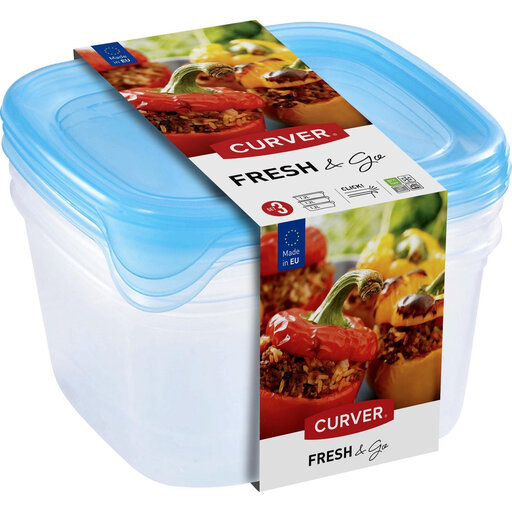
Why This Fits Their Persona: This set is ideal for those who plan their meals in advance. The containers have a generous 1.2-litre capacity, perfect for a full meal. They can go directly from the freezer to the microwave and then into the dishwasher, simplifying the entire process from cooking to cleanup.
The click-on lids seal tightly, avoiding the 'false airtight promise' pitfall. The durable, BPA-free plastic is designed for temperatures from -40°C to +100°C and won't become brittle or fragile.
Versatile in use (freezer, microwave, dishwasher). The containers are both nestable (when empty) and stackable (when full), which saves storage space.
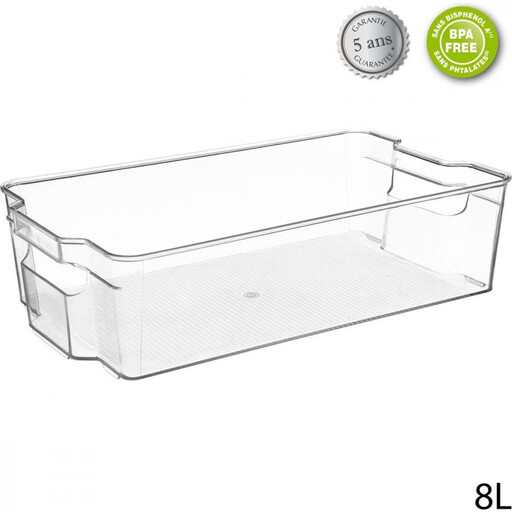
Why This Fits Their Persona: For those who want to utilize every inch of their fridge, this is a practical choice. This open bin is ideal for grouping vegetables, fruits, or dairy products. By using multiple bins, you can create an organized 'drawer' system.
This model tackles the pitfall of impractical design. It is stackable and has a built-in handle, allowing you to easily pull the bin forward without having to empty the entire shelf.
Made from durable, BPA-free plastic. The transparent design ensures the contents are immediately visible, which helps in quickly finding products.
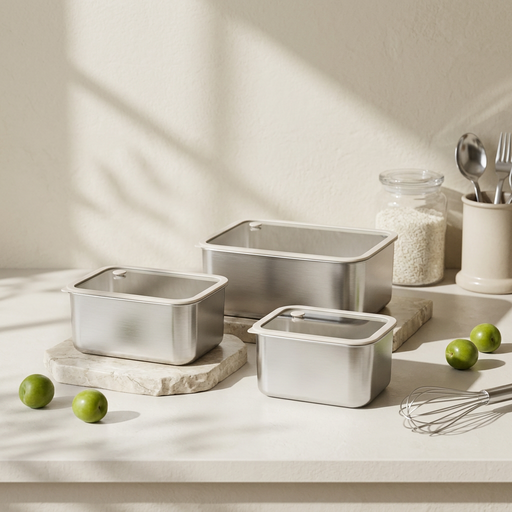
Why This Fits Their Persona: For those seeking a plastic-free and highly durable alternative, this stainless steel set is an excellent choice. It's ideal for storing salads, leftovers, or marinating meat, with no risk of odour or stain transfer.
This set completely bypasses the pitfall of brittle materials. The food-grade 304 stainless steel is corrosion-resistant, unbreakable, and built to last for years. The glass lids with silicone rings provide a reliable, leak-proof seal.
Absorbs absolutely no odours or stains. The containers are stackable to save space, and the smooth interior is very easy to clean.
An organized kitchen starts with the right tools. We've curated a complete, up-to-date overview of products that meet strict criteria for functionality and safety.
Always check the manufacturer's specifications. Many plastic containers, like those from Curver, are dishwasher-safe. However, for some materials like PET plastic or containers with a delicate silicone seal, hand washing is recommended to extend their lifespan. Washing by hand with a soft sponge and mild dish soap is always a safe bet.
No, not automatically. It's important to specifically look for products designated as BPA-free and 'food-grade' (suitable for food contact). Materials like PP (polypropylene) and PET are widely used and are safe when produced for this purpose. Avoid unmarked, cheap plastic for storing food.
The best method is to clean the containers immediately after use. This helps significantly, especially with foods that have strong odours or colours (like curry, garlic, or tomato). If an odour lingers, try soaking the container for a few hours in a solution of water and a spoonful of baking soda. Materials like glass and stainless steel are naturally more resistant to absorbing odours.
