
Vandaag of morgen in huis

Kwaliteit gegarandeerd

Welkomstaanbiedingen ontgrendelen: GRATIS bezorging | Tot 80% korting | Gratis 30 dagen JoyPlus-proefperiode
Download de app
A full fridge is a good thing, but a disorganised one often leads to frustration and food waste. Products get lost in the back, leftovers are forgotten, and before you know it, something has expired. A good refrigerator organiser seems like the solution, but the market is flooded with options that aren't always practical. Before you invest in a set of bins, it's wise to know what to look for.
Common purchasing mistakes are easily made. Here are a few pitfalls you can avoid:
A tidy fridge starts with choosing the right tools. Pay attention to the following specifications to avoid a bad buy and achieve a sustainable refrigerator layout.
Not all plastics are created equal. Since fridge storage bins come into direct contact with your food, the material is crucial.
The efficiency of a kitchen organiser depends entirely on how well it fits your space.
Small design details make a big difference in daily use.
Not everyone has the same needs. Below is a selection of products tailored to different users.
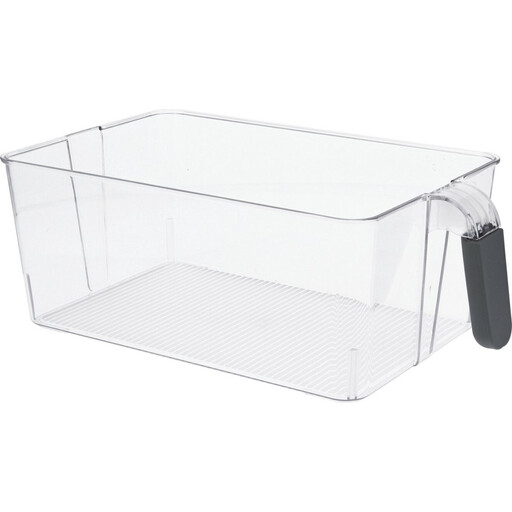
Why This Fits Their Persona: Ideal for anyone taking the first step towards an organised fridge. This bin is perfect for grouping loose items like vegetables, fruit, or yoghurt pots, creating instant clarity.
The open design with a handle makes it practical to use. You can easily slide the bin forward without any hassle. Its dimensions (31 cm deep) are suitable for many standard refrigerators.
Made of sturdy, transparent hard plastic for an at-a-glance overview. Easy to clean with a damp sponge or in the dishwasher.
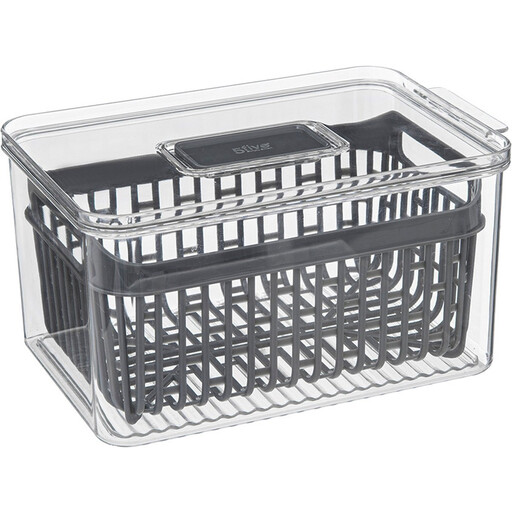
Why This Fits Their Persona: This lidded container is ideal for storing vegetables, fruit, or leftovers. The stackable feature helps families make the most of their fridge space and keep food fresh for longer.
The product is made of BPA-free PET and polypropylene, which is food-safe. The stackable design is practical and prevents wasted space—a common problem with non-modular systems.
Includes a lid to preserve freshness and contain odours. The modular design allows you to combine different sizes from the same series.
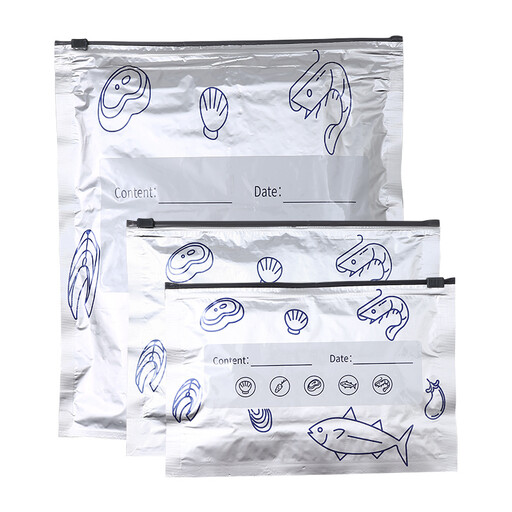
Why This Fits Their Persona: This set of 30 reusable bags in three sizes is perfect for portioning and freezing meals, meat, or fish. The bags are flexible and take up less space than rigid containers.
Unlike flimsy disposable bags, these are made from a multi-layer composite material (PET/AL/PE) that is leak-proof and puncture-resistant. The airtight slider closure prevents freezer burn.
Reusable and washable. The writable label helps you organise and track the contents and freezing date. Suitable for temperatures from -20°C to 100°C.
We have compiled a complete, up-to-date list of products that meet these selection criteria and comply with current safety regulations.
Most plastic organisers are best washed by hand with mild soap and warm water to maintain clarity and prevent scratches. Always check the product information to see if an item is dishwasher-safe. Ensure the bins are completely dry before placing them back in the refrigerator.
No, not necessarily. It is important to choose fridge bins that are explicitly designated as food-safe or BPA-free. BPA (Bisphenol A) is a chemical used in some plastics that is best avoided in products that come into contact with food.
A good set of organisers is half the battle. The other half is habit. Assign fixed spots for product groups (e.g., one bin for dairy, one for sauces). Use the 'first in, first out' principle: place new items behind older ones. A weekly five-minute check to see what needs to be used up can make a huge difference.
