What should you look for when buying?
Start by asking whether you want to shape existing window light only, or add light of your own as well. Consider shadows, colour, workspace and the accessories you need to set up the panel safely.
| What to consider |
What to look for |
Who is this important for? |
| Shadows and texture |
Try a reflector first. If you choose a panel, check whether you can dim it and whether a diffuser is included with that version. |
If I want to show texture, I need to brighten the shadow side without flattening the shape. Around 36% of consumers prioritise shadows and visible texture. |
| Material and colour reproduction |
Check the adjustable colour temperature and the CRI rating for the exact model. You can also assess white balance with a neutral card. |
If differences in material need to remain clear, I want to be able to assess the colour of the panel alongside the window light. Around 29% of consumers prioritise colour reproduction. |
| Space, positioning and power |
Compare dimensions and mounting options. Check whether you need a battery, adapter or stand, and what’s included with the version you choose. |
On a small worktable, I need to fit the light close to the object and move it without hassle. Around 21% of consumers prioritise a compact, portable setup. |
| Additional light and repeatability |
Consider brightness alongside measuring distance and colour settings. Check that the power supply and support are suitable for the length of your session. |
If the window light changes during a photo session, I want to be able to add light of my own and repeat my setup more easily. Around 14% of consumers focus mainly on additional light and a fixed setup. |
Joybuy photography lights
These Joybuy product picks are related to portable fill lighting and small photography lights. Check whether the light shape, mounting and power supply of each model suit your sculpture setup.
 No image available
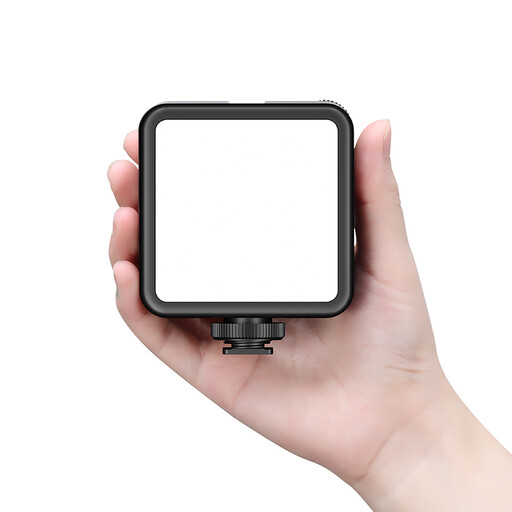
Ulanzi VL81 rechargeable LED video light, black
This rechargeable light may suit a setup you want to move around. Check that its size and light controls work for the distance at which you photograph small objects.
The product title describes a rechargeable video light. Avoid prolonged direct exposure to the light, and be mindful of heat and moisture around the connections.
View at Joybuy
 No image available
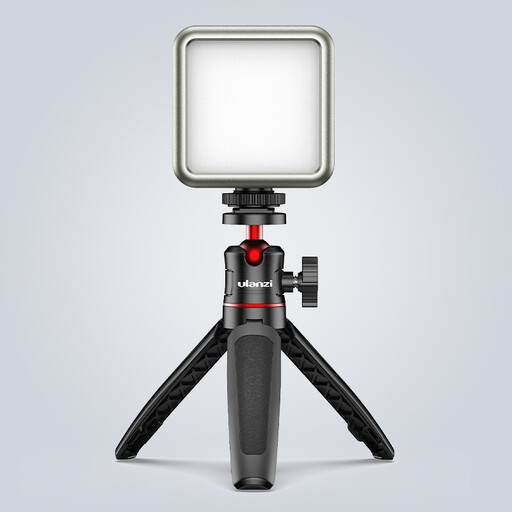
Ulanzi VL49 RGB LED video light, 2000 mAh
This dimmable RGB light with adjustable colour temperature may suit you if you want to control the light colour close to a small subject.
The title lists 2500K–9500K, a 2000 mAh battery and a magnet on the back. Use a standard 5V adapter and don’t point the light directly into your eyes at close range.
View at Joybuy
 No image available
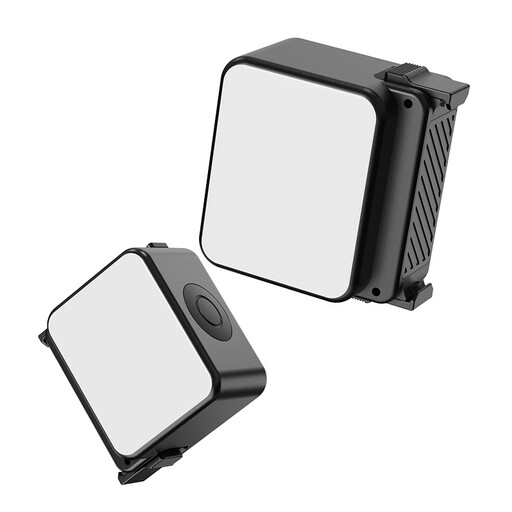
Ulanzi LM18 mini LED video light with magnet for DJI Osmo Action 3/4/5/5 Pro
This mini light is designed for a compatible action camera cage. Check whether that mounting option will work alongside your sculpture.
The title specifies magnetic mounting. Keep strong magnets away from pacemakers, payment cards and traditional hard drives.
View at Joybuy
 No image available
Ulanzi LM001 portable mini fill light, 500 mAh
This portable mini fill light may suit you if you want to position a small light close to your subject.
The title lists a 500 mAh battery and magnetic mounting. Check how you can position the light securely in your setup.
View at Joybuy
 No image available
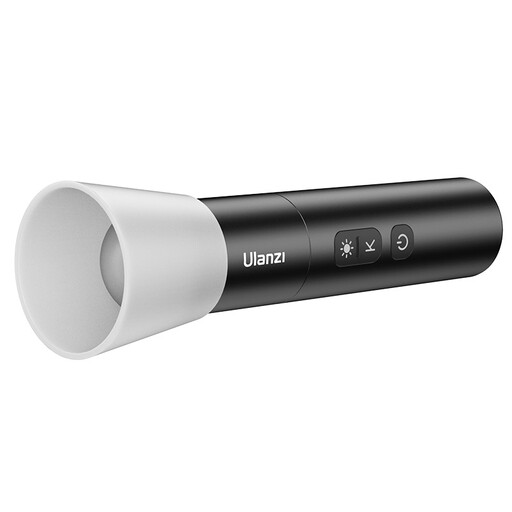
Ulanzi LM07 bi-colour zoom light for photography
This is a portable zoom light in a torch-style design, not a panel. Consider whether its focused beam is suitable for the fill light you need for a sculpture.
The title lists 2000K–5500K, four brightness levels, a 2000 mAh battery and a weight of 187 g. Avoid looking directly into the light at close range.
View at Joybuy
Frequently asked questions
Can I start without an LED panel?
Yes. Start by placing a white reflector on the darker side of the sculpture to bounce the window light back onto it. A reflector doesn’t create light, so if the window isn’t providing enough, you could consider using your own light source.
How can I avoid a colour cast when combining window light and LED light?
Adjust the colour temperature of a bi-colour panel and assess the white balance with a neutral card. Nikon explains that measuring with a card in mixed light can produce a different colour result from using automatic white balance.
What should I check before setting up the panel?
Check the mounting and which adapter, battery, diffuser or support is included with the exact version. Follow the manufacturer’s instructions for charging, use and storage.
Does an LED panel sold in the Netherlands need a CE mark?
That depends on which EU rules apply to the specific product. According to Your Europe, CE marking is required when the applicable harmonised EU rules stipulate it, so check the requirements for the version on offer. A CE mark is not a quality mark for photographic lighting.
What rights do I have when buying online in the Netherlands?
For an online consumer purchase, you generally have a 14-day cooling-off period after delivery, with some exceptions. You’re also entitled to a legal guarantee if a product doesn’t meet what you could reasonably expect under normal use. ACM ConsuWijzer clarifies that a manufacturer’s guarantee doesn’t replace this right.


