What should you look for when buying?
Start with the shot you want to take: controlling highlights and shadows, freezing or showing movement, or choosing kit that’s easy to carry. The proportions below reflect one main buying priority per consumer for this specific photographic situation.
| Key consideration |
What should you look for? |
Who is this important for? |
| Tonal range and detail |
Check for RAW shooting, a histogram and exposure compensation. Also compare the wide-angle lens with your preferred print or crop size. |
I want to retain texture in both the bright sky and dark reeds, and may edit the photo afterwards. Around 33% of consumers prioritise tonal range and detail. |
| Sharpness or movement in the reeds |
Check whether you can set the shutter speed and ISO. See what stabilisation is available with your chosen set-up, and consider a tripod for longer exposures. |
When it’s windy, I want to decide whether the reeds stay sharp or show movement. Around 27% of consumers prioritise being able to control movement in the reeds. |
| Portability and moisture |
Compare the weight of the camera body and lens together. Check the operating conditions for moisture for both the camera and lens. |
I want to take my camera with me on a walk and be able to carry the complete set-up. Around 20% of consumers prioritise portability and outdoor conditions. |
| Lens and complete set-up |
Check whether the offer includes a camera body or a kit, and whether the lens mount is compatible. If needed, include a memory card and spare battery in your comparison too. |
I want a field of view that suits the landscape and to know in advance what I’ll need to complete my set-up. Around 20% of consumers start by considering lens choice and the total cost of the system. |
Cameras at Joybuy
The Joybuy products below are camera options to compare with your requirements for reed landscape photography. The product information also mentions video-focused features, so check that the controls and field of view suit the still landscape photos you want to take.
 No image available
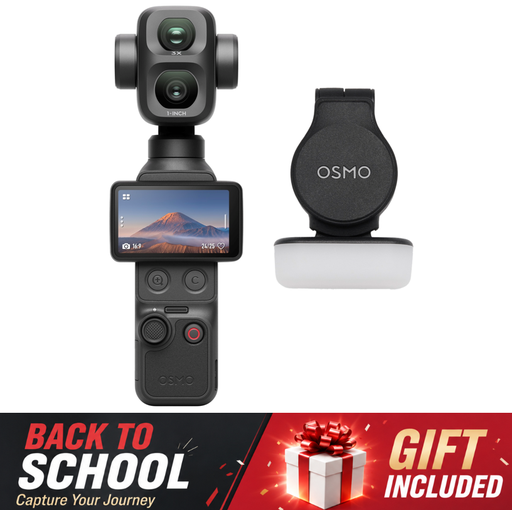
Osmo Pocket 4P Standard Combo, Black
The listed wide-angle lens could suit a broad landscape composition; check that its field of view and controls work for the way you like to take photos.
The product description lists a 20mm f/2.0 wide-angle lens and a 1-inch sensor. The stated 17 stops of dynamic range is a product claim, not an independent measurement.
Joybuy
 No image available
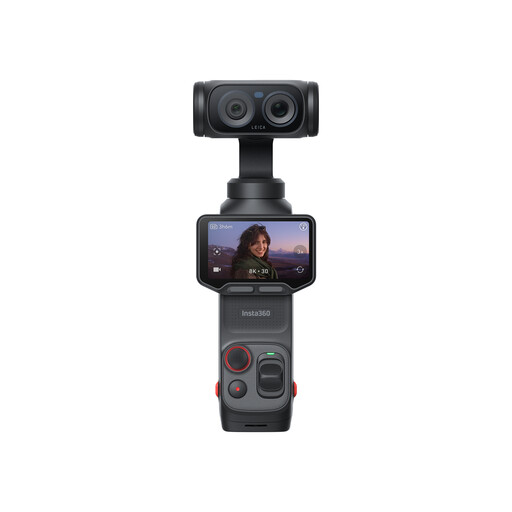
Insta360 Luna Ultra Standard Bundle, Cosmic Black
The product information mentions a telephoto lens alongside the main sensor, which could be useful if you also want to frame a detail further away. Check that the available fields of view suit your landscape.
The description lists a 1-inch main sensor and a telephoto lens. The stated 10-bit I-Log feature is for video.
Joybuy
 No image available
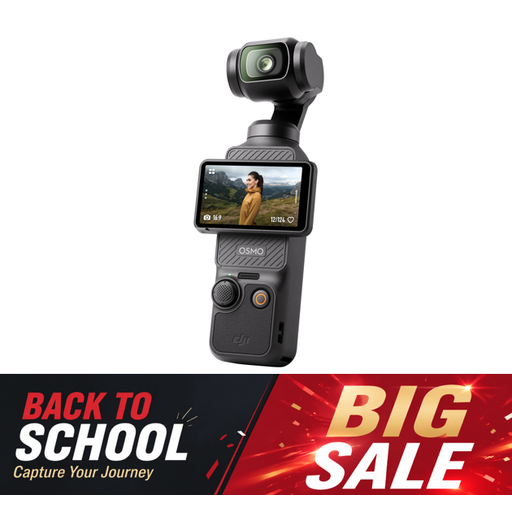
DJI Osmo Pocket 3
The stated weight could be a factor if you want to take a camera along on a walk; also check that the field of view suits your landscape composition.
The product information lists a weight of 179 g, a 1-inch CMOS sensor and 3-axis stabilisation.
Joybuy
Frequently asked questions
How can you stop the overcast sky from becoming overexposed?
In a tricky scene, check the histogram and adjust the exposure if important highlights are at risk of being lost. Nikon USA describes the histogram as a useful tool for scenes with both light and dark areas. RAW gives you room to edit afterwards, but it’s no substitute for a well-exposed shot.
Do you always need a tripod for moving reeds?
No, not always. A tripod helps reduce camera movement during a longer exposure, but it won’t stop the reeds moving. If you want to keep reeds sharp in the wind, choose a shutter speed that suits their movement; if you want to show movement deliberately, a longer exposure may be just what you need.
What should you buy in addition to the camera body?
First check whether the offer includes a lens and whether it suits your desired field of view. If needed, also allow for a compatible lens, memory card and spare battery; a body alone isn’t a complete set-up.
What are your rights when buying a camera online in the Netherlands?
For online consumer purchases, you generally have a statutory 14-day cooling-off period after delivery, subject to exceptions under the applicable terms. The product must also meet what you could reasonably expect when used normally. If there’s a fault, contact the seller.
Can you walk into any reed bed to take a photo?
No, don’t assume that every part of a nature reserve is open to the public. Staatsbosbeheer advises visitors to follow the access signs in its reserves; temporary closures can vary by location and time. Check the signs on site for the latest information.


