
Festival organisers who need to make a reduced-sugar claim
You want to be able to substantiate a sugar-reduction claim before using it for a menu or product choice. A product name or a one-off comparison of sugar values is not enough.


Only describe sprinkles on a festival menu as reduced sugar if you can substantiate the claim and the comparison with a similar product. If you want to use standard sprinkles, compare sugars per 100 g and check the allergens and storage instructions on the exact packaging. A lower sugar value than one other product does not, by itself, prove a reduced-sugar claim.
You want to be able to substantiate a sugar-reduction claim before using it for a menu or product choice. A product name or a one-off comparison of sugar values is not enough.
You’re considering standard sprinkles and want to compare nutritional information per 100 g, allergens and pack sizes before choosing a topping or bread spread.
You serve sprinkles at an event. The Netherlands Food and Consumer Product Safety Authority highlights the need to protect unpackaged foods from contamination and inform customers about allergens.
First decide whether you need to make a substantiated sugar-reduction claim. If not, compare like-for-like sprinkles per 100 g, then check that the packaging, storage instructions and allergen information suit the way you’ll serve them at the festival.
| What to look for | What to check before buying | Most relevant to |
|---|---|---|
| Substantiated lower-sugar claim | Check the exact claim and its basis for comparison. Compare sugars per 100 g in similar products; that value alone does not prove a sugar-reduction claim. | If I want to promote less sugar on the festival menu, I need more than a product that happens to have a lower value than another brand. This is the top priority for around 50% of consumers. |
| Packaging and storage | Check the pack weight, any portion information and the storage instructions for the exact variant. | When transporting the product and serving it temporarily, I want packaging that suits the way I work and can be stored according to the label. This is the main concern for around 33% of consumers. |
| Allergens and serving | Read the allergen information for each variant and, if serving unpackaged portions, make sure guests can access that information. | When I serve open portions, I need to be able to inform guests about allergens and prevent contamination. This is the biggest concern for around 17% of consumers. |
A product name or a comparison with one arbitrarily chosen type of sprinkle does not automatically substantiate a sugar-reduction claim. The Netherlands Nutrition Centre (Voedingscentrum) explains the conditions for using nutrition claims.
Check the claim and compare it with a suitable product before presenting sprinkles as reduced sugar.
Portion sizes can vary, so values per portion alone tell you little about the difference between two packs.
Following the Netherlands Nutrition Centre’s advice, compare the nutritional values per 100 g first, then use portion information to plan how you’ll serve the product.
Allergens vary by product variant. The Netherlands Food and Consumer Product Safety Authority says that allergen information must be available to customers when serving unpackaged food.
Keep the information from the exact pack you’re using and arrange serving in a way that prevents contamination.
The sprinkles on this page are described as needing to be stored in a cool, dry place, with the pack closed tightly after opening. This needs consideration when using them temporarily outdoors.
Follow the label for your chosen variant and plan a suitable place for storage and serving.
Own-brand products include a 300 g Chocolate Sprinkles Mix.
Sprinkle mix in a 200 g pack; check the exact variant when comparing products.
200 g milk chocolate sprinkles to compare with standard sprinkles.
200 g Jungle Sprinkles for use as a bread topping or general topping.
The 300 g Boterhamvlokken Licht (light sandwich sprinkles) show why a product name alone is not enough when choosing based on sugar reduction.
These Joybuy sprinkles are options to consider if you’re looking for standard sprinkles as a topping or bread spread. If you’re choosing based on sugar reduction, check the claim and basis for comparison on the exact pack separately.
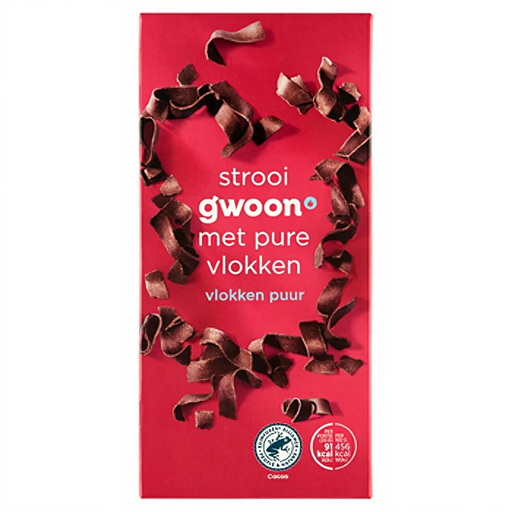 No image available
An option to consider as standard sprinkles for toppings or bread; check the nutritional information and allergens on the exact pack before choosing them for serving at a festival.
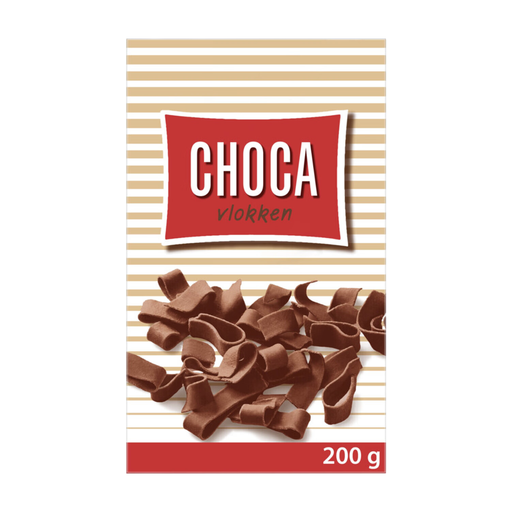 No image available
Worth considering as sprinkles for bread or yoghurt. Joybuy Netherlands lists 71 g of sugars per 100 g for this pack; if serving them unpackaged, also check the allergen information for the exact variant.
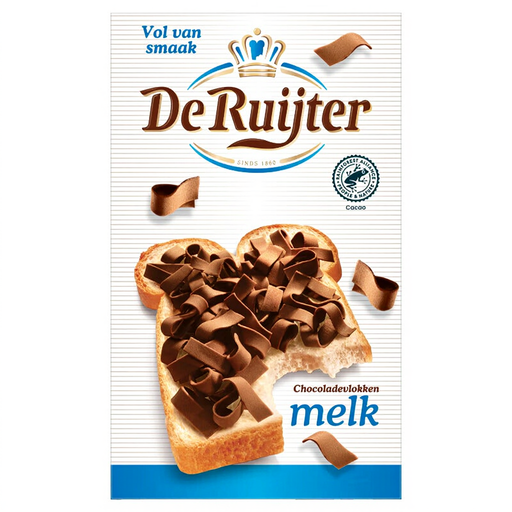 No image available
An option for use as standard chocolate sprinkles on bread or as a topping. Joybuy Netherlands lists 70 g of sugars per 100 g and identifies milk and soya as allergens for this variant; assess any sugar-reduction claim separately.
No, that one-off comparison is not enough to substantiate the claim. Check the relevant conditions for the claim and compare with a suitable product before using the term on a festival menu; the Netherlands Nutrition Centre explains the requirements for nutrition claims.
No, ‘low sugar’ and ‘reduced sugar’ are different nutrition claims. One refers to the amount of sugar in the product; the other requires a substantiated reduction compared with a similar product. Check which claim actually appears on the pack you’ve chosen.
First compare like-for-like sprinkles by sugars per 100 g, as the Netherlands Nutrition Centre recommends when comparing labels. Then use the values per portion to assess how you plan to serve them.
Make sure customers can access information about allergens in unpackaged food. The Netherlands Food and Consumer Product Safety Authority says this information can be provided in writing or verbally; base it on the exact product variant you’re serving.
Follow the storage instructions on the exact pack. The Joybuy variants mentioned here are described as needing to be stored in a cool, dry place and sealed tightly after opening; bear this in mind when transporting and storing them temporarily.