
Vandaag of morgen in huis

Kwaliteit gegarandeerd

Welkomstaanbiedingen ontgrendelen: GRATIS bezorging | Tot 80% korting | Gratis 30 dagen JoyPlus-proefperiode
Download de app
Buying red wine may seem straightforward, but online you often see mainly tasting notes and attractive stories about where the wine comes from. Practical information can be less prominent. If you want to order red wine online, it is therefore worth checking the grape variety, bottle size, alcohol percentage, allergens and the occasion you have in mind first.
This buying guide will help you assess marketing language more critically and choose a product that suits a dinner, gift, cupboard or gathering. Alcohol is intended for adults of legal drinking age only. Drink responsibly and not during pregnancy.
Words such as “rich”, “smooth”, “complex” and “premium red wine” point you in a certain direction, but they will not mean the same thing to everyone. So also look at verifiable information:
For example, a wine with plenty of fruit flavours may seem smooth, while a wine rich in tannins may be better suited to a hearty meal.
A single 750 ml bottle is suitable for trying, giving as a gift or serving with dinner. For a larger gathering, a pack of 6 x 750 ml may be more practical. Compare not only the price, but also the total quantity and when you plan to use it.
Also check delivery information, the closure and the condition of the packaging. Do not use a bottle if the seal or cork is damaged on arrival.
Wine may contain sulphites. This must be stated on the label or in the product information. Flavoured wine may also contain added sugar, natural flavourings, colourings and preservatives. Always check the packaging if you need to take allergens or ingredients into account.
The grape variety is a useful starting point, but it cannot fully predict the flavour. Climate, ageing, winemaking and the blend also have an influence.
The standard size for a wine bottle is 750 ml. This is a practical size for a dinner or as a red wine gift. A multipack, such as 6 x 750 ml, is better suited to a barbecue, party or stocking up for several meals.
When ordering online, check:
Store red wine in a cool, dark place, away from direct sunlight and major temperature fluctuations. An opened bottle should be sealed properly. For a bottle with a cork, horizontal storage may be recommended; if so, follow the product instructions.
The recommended temperature varies from one wine to another. For example, the product information for St. Andrea gives a serving temperature of 15 to 17 degrees Celsius for that particular bottle. So do not automatically leave red wine at room temperature for an extended period.
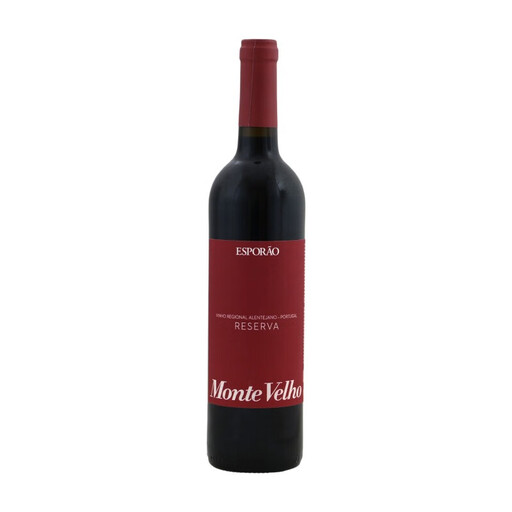
Why it suits this profile: The standard 750 ml bottle is a manageable choice for a first purchase, a dinner or discovering a particular flavour profile. According to the product information, this red wine has a rich and smooth profile.
You can base your choice on the stated bottle size, flavour profile and storage instructions, rather than relying solely on advertising language.
750 ml; according to the product information, free from the 14 main EU allergens; suitable with a range of dishes.
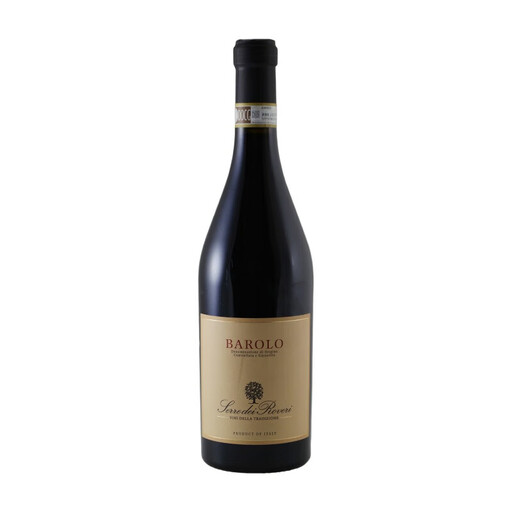
Why it suits this profile: If you are specifically looking for provenance and a premium red wine, you can assess this Barolo based on its stated DOCG designation, Barolo region and alcohol percentage of 14%.
The choice is based on official provenance information and product specifications, rather than on a general description such as “luxury” or “premium”.
Barolo DOCG; 750 ml; provenance information and manufacturer details are included in the product description.
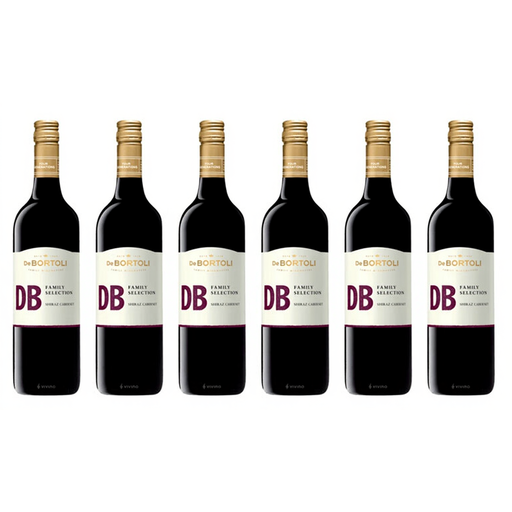
Why it suits this profile: The six-bottle pack is designed for gatherings, stocking up or regular use. According to the product information, this Australian red wine combines Shiraz and Cabernet Sauvignon.
The number of bottles and the size are clearly stated. This makes it easier to match the total quantity to a dinner or larger group.
6 x 750 ml; 14% alcohol according to the product information; described as suitable with grilled meat, savoury pasta and mature cheese.
We have compiled a complete, up-to-date list of products that fully meet these strict selection criteria and the applicable European safety regulations.
For red wine to serve with meat, consider the intensity of both the dish and the wine. According to the product information, a full-bodied Shiraz blend pairs well with grilled meat. Pinot Noir is more often recommended with lighter dishes such as mushrooms, charcuterie or fried ham.
A lightly sweet red wine, such as Flaminco Sangiovese Sweet Red Wine, can work well with desserts and cheese. Take the ingredients into account: according to the product information, this variant contains, among other things, sugar, flavourings, herbs, colourings and sulphites. Check the current label for every bottle.
If you are giving red wine as a gift, 750 ml is often a good choice, along with clear information about its provenance or grape variety. For a varied red wine selection, you can combine different styles: Merlot for a softer profile, Pinot Noir for fruitiness, Shiraz for spiciness and Malbec for a wine with sweet tannins and acidity.
Start by looking for a clear tasting note and a standard 750 ml bottle. A Tinto Reserva or Merlot described as smooth may be more approachable than a wine with plenty of tannins. Personal preference remains the deciding factor; if you are unsure, order one bottle first.
This depends on the type of wine, the closure and how it is stored. Reseal the bottle properly immediately after use and store it according to the product instructions, preferably somewhere cool and away from direct sunlight. Check the label for information about its shelf life after opening.
Order from a supplier that provides information about the product, allergens, volume and alcohol percentage. Check the bottle and closure on arrival. Alcohol may only be sold to adults of legal drinking age and must be consumed responsibly.
