
Vandaag of morgen in huis

Kwaliteit gegarandeerd

Welkomstaanbiedingen ontgrendelen: GRATIS bezorging | Tot 80% korting | Gratis 30 dagen JoyPlus-proefperiode
Download de app
Shelves are increasingly stocked with red snacks and ingredients from Asian cuisine. The packaging looks promising, but the contents can sometimes be a letdown. If you're searching for that authentic spicy kick or a specific traditional flavour, it's easy to make the wrong choice. Many products aren't what they seem.
Before you fill your shopping basket, it's wise to be aware of a few common pitfalls:
To avoid disappointment, you can look for a few specific characteristics. These will help you choose products that truly deliver what they promise.
Not all spiciness is the same, especially in Chinese cuisine. It's important to know the difference between:
If a recipe calls for a Sichuan flavour, a regular chilli pepper won't produce the same result. Check the ingredient list to see which type of pepper is used.
A vague ingredient list with terms like "spices" is often a sign that the product isn't very specific or authentic. Good Chinese red food products will explicitly list the main flavouring agents. For example, if you want to buy red beans, look for the specific variety, such as adzuki beans, which are often used in Asian desserts. The origin can also be an indication of quality; for instance, Sichuan peppercorns from the Sichuan province are known for their superior aroma.
This may seem obvious, but it's a common mistake. Some products, like crispy chilli oil snacks, are meant to be eaten directly. Others, like dried peppers or beans, need to be soaked, cooked, or processed. By checking whether a product is "ready to eat" or requires preparation, you'll avoid ending up with a bag of rock-hard peppers when you were expecting a quick, spicy Asian snack.
To help you get started, we've selected a few products that cater to different preferences and tastes.
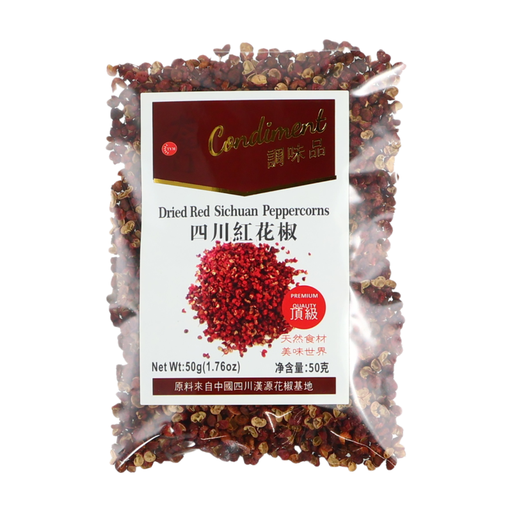
Why This Fits Their Persona: Perfect for those who want to create authentic Sichuan dishes at home. This is not a generic spice, but an essential ingredient for creating the signature 'má' flavour in dishes like Mapo Tofu or Kung Pao Chicken.
This product delivers the specific tingling 'má' sensation, not just generic spiciness. This helps you avoid the pitfall of a one-dimensional flavour.
Sourced from premium growing regions in Sichuan, ensuring a pure and intense aroma. The peppercorns are plump and reddish in colour.

Why This Fits Their Persona: For anyone looking for a unique, ready-to-eat snack. The texture is surprising, and the flavour is rich and spicy. Ideal with drinks, on the go, or while watching a show.
This is an authentic Asian snack, not a Westernised version. The flavour comes from real red chilli oil and sesame, providing depth instead of just salt and heat.
Made from konjac, making it low in calories. The texture is chewy and springy. Individually wrapped for convenience and hygiene.
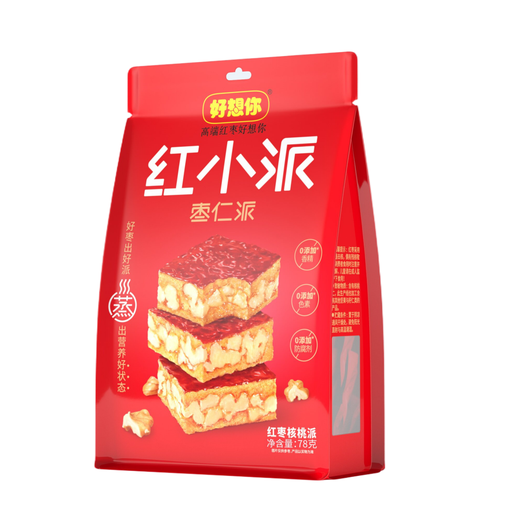
Why This Fits Their Persona: This snack combines traditional Chinese ingredients: red dates (jujube) and walnuts. In Chinese culture, the red colour of the date has a positive meaning. A soft, nutritious snack that evokes a sense of home.
This isn't an overly sweet pastry. The flavour comes mainly from the natural sweetness of the red dates (60% of the product). The low-temperature baking process preserves the original flavours.
High content of real fruit and nuts. Individually wrapped, making it easy to take on the go or share. Not deep-fried.
We've compiled a complete, up-to-date list of products that meet these selection criteria and current regulations.
1. What is the difference between Sichuan pepper and regular chilli pepper? The main difference is the type of "spiciness." Regular chilli peppers (lá) produce a burning sensation. Sichuan peppercorns (má) cause a unique, citrus-like flavour with a tingling and slightly numbing effect on the tongue. They are often used together in Sichuan cuisine for a complex flavour experience.
2. How should I store dried Asian spices? Store dried products like dried red peppers and Sichuan peppercorns in a cool, dark, and dry place. An airtight container is ideal to prevent the aroma from fading and to keep out moisture. Stored properly, they will retain their flavour for months.
3. Are all red Chinese foods spicy? No, definitely not. In Chinese culture, the colour red is also associated with luck, prosperity, and celebration. In fact, many red products are sweet. Think of snacks made with red beans (adzuki beans), red dates (jujube), or hawthorn. Always check the product description to see if it's a spicy or sweet variety.
