
Vandaag of morgen in huis

Kwaliteit gegarandeerd

Welkomstaanbiedingen ontgrendelen: GRATIS bezorging | Tot 80% korting | Gratis 30 dagen JoyPlus-proefperiode
Download de app
If you're searching for red dates in UK online shops, you'll come across several different products. The term can refer to Chinese red dates, also known as jujube, but sometimes ordinary dried dates or Medjool dates are also sold. On top of that, there are sesame snacks, breakfast cereals and date powder.
This wide range makes it tricky to compare. A soft, pitted date for tea, for example, requires different qualities from a crunchy red date snack for on the go. The following points will help you avoid paying for a pretty package or a vague health claim.
Chinese red dates are usually jujubes. They tend to be smaller, firmer to the bite and have a flavour that works well in tea, soup and Chinese desserts. Medjool dates are a different variety: larger, softer and often creamy in texture.
So check the product name, country of origin and ingredients list. If it says only "jujube" or "red dates", it's generally Chinese red dates. With Medjool, the variety is usually clearly stated.
A product can be 100% dates and still deliver plenty of natural sugars per 100g. That's not a contradiction, but it is relevant information when you're comparing portions. Always look at the nutritional information table, not just claims like "naturally sweet".
With composite products, sugar, glucose syrup, honey or maltose may also be added. The Haoxiangni sesame balls, for example, contain black sesame, red dates, maltose syrup and honey. So they're a bit different from pure, dried dates.
A 908g bag is practical for daily use, baking or a household with several people. For a first try, a 35g or 108g bag might be more convenient. Individual portions are easy to take with you, but can work out more expensive per 100g.
Also pay attention to the shelf life after opening. Many products need to be stored in a cool, dry place and sealed properly. In warm conditions, refrigerated storage may be recommended.
For pure pitted dates, the ingredients list should be short. The Haoxiangni Grade 2 Fresh-Locked Pitted Red Dates, for example, lists jujube (100%). The Zohra Medjool dates list dates as the ingredient and come in a 908g pack.
With snacks that have extra ingredients, the nutritional value and allergen profile change. The black sesame balls contain sesame and, according to the product information, may contain traces of soya, wheat, peanuts, nuts and milk. The dates with almonds in ruby chocolate contain milk, soya and almonds. Always check the label again, especially if you have a food allergy.
A pitted date is practical for eating straight away, in porridge, baking or a smoothie. Do check whether the description says "pitted" or "with stone". The 900g ready-to-eat red dates are supplied with the stone in, according to the product information, while the 280g, 390g and 500g versions are pitted.
The texture varies a lot:
Compare products per 100g. The nutritional values vary. The Haoxiangni sesame balls list 514 kcal and 30g of fat per 100g. The crispy jujube slices contain 0g of fat per 100g according to the product information, while the crispy winter jujube with palm oil lists 31.9g of fat per 100g.
A product with date powder or breakfast cereal isn't automatically a pure date snack. The Family Whole Red Dates Breakfast Powder contains 4.5% red date according to the ingredients list, alongside oats, soya, maize and milk powder. That could be suitable for a quick breakfast, but less so if you're specifically looking for a product with a high proportion of red dates.
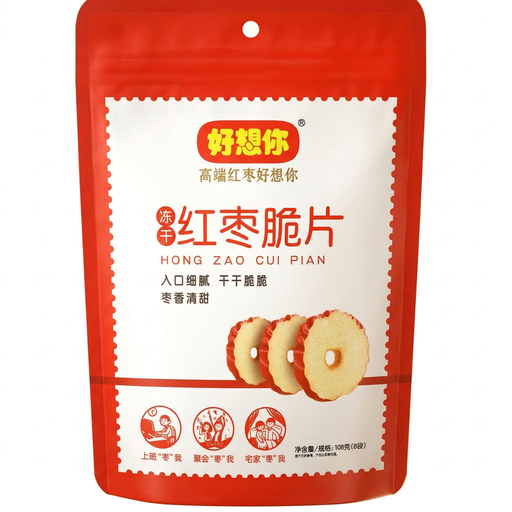
Why this fits the profile: The 108g pack is manageable for anyone wanting to try Chinese red dates first without buying a large stock straight away.
The ingredients list states only red dates. So you can see clearly what you're buying, without sesame, syrup or chocolate.
100% red dates according to the product information, crunchy texture and ready to eat straight away.
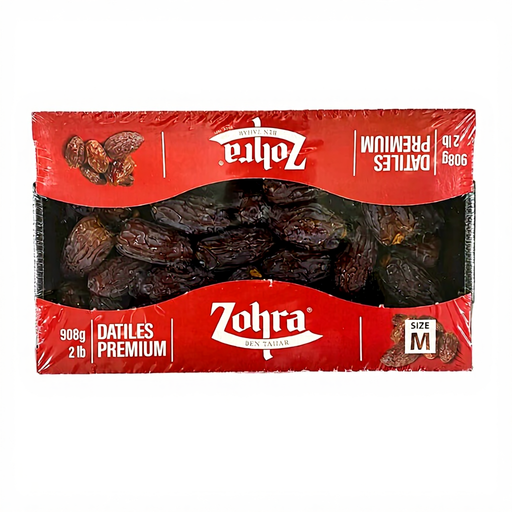
Why this fits the profile: The generous pack is ideal for fans of soft, sweet Medjool dates who also use them in desserts, yoghurt or baking recipes.
The product information states the variety, weight and ingredients. So it's clearly distinguishable from Chinese jujube.
908g, only dates as an ingredient and, according to the product description, suitable for snacking and baking.

Why this fits the profile: A 500g pack suits anyone who regularly uses red dates for tea, soup, desserts and cooking.
The description states 100% red dates and a pitted version. That makes the product usable without having to remove stones every time.
500g, pitted, ready to eat and, according to the product information, also suitable for cooking, baking and tea.
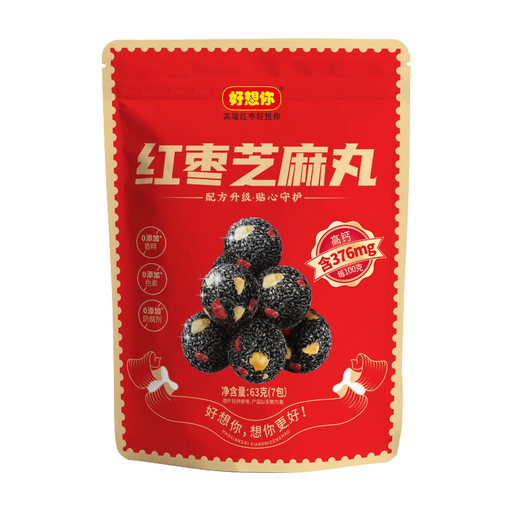
Why this fits the profile: The small portions are handy for a shareable snack or to take to work, school or on the go.
The packaging states seven to eight portions and lists sesame, red dates, maltose syrup and honey as ingredients. So the composition is verifiable.
63g, soft, slightly chewy texture and easy to portion individually; does contain sesame and possible traces of other allergens.
We've put together a full, up-to-date list of products that fully meet these strict selection criteria and comply with current European safety regulations.
No. Red dates usually refer to Chinese jujubes. Medjool dates are a different variety with a larger size and softer texture. Check the product name, ingredients and origin to avoid confusion.
No. Dried dates contain less moisture and are therefore longer-lasting and more concentrated in flavour. Fresh dates are softer and juicier, but are less often sold in large bulk packs. The products in this overview are long-life snacks or dry mixes; check the packaging for exact storage advice.
Yes. Pitted jujubes can be added to porridge, yoghurt, tea or baked goods. For a quick drink or porridge, there are also products like red date breakfast powder and date breakfast cereals. Pay attention to the proportion of red date, the amount of added ingredients and any allergens present such as soya, milk, wheat or oats.
