
Vandaag of morgen in huis

Kwaliteit gegarandeerd

Welkomstaanbiedingen ontgrendelen: GRATIS bezorging | Tot 80% korting | Gratis 30 dagen JoyPlus-proefperiode
Download de app
Red dates, also known as Chinese dates or jujube, are available as dried fruit, pitted dates, crispy slices, snack balls and instant breakfast products. This may make choosing seem straightforward, but there are significant differences in ingredients, uses and serving sizes.
Pay particular attention to three common pitfalls:
Confusing a health claim with product information
Brands sometimes refer to traditional Chinese food culture or describe red dates as “nutritious”. That does not automatically mean a product is suitable for your eating habits. Always check the ingredients list and nutrition table. According to Haoxiangni’s own information, red dates and black sesame are valued in traditional Chinese food culture; this is not a medical claim or proven effect.
Mistaking a product containing red dates for pure fruit
A jujube snack may also contain maltose syrup, honey, sugar, grains, nuts or milk ingredients. This applies, for example, to dates with black sesame and some red-date breakfast cereals. So check the percentage of red dates and the full ingredients list.
Overlooking preparation and stones
Some red dates are ready to eat, while others need to be washed and boiled first. “Pitted” also does not mean that every product has the same texture as a fresh date. Check the preparation instructions before buying a multipack.
For a snack made from pure fruit, red date or jujube should appear first in the ingredients list. With mixed products, the percentage is important. For example, Family Whole Red Dates Breakfast Powder contains 4.5% red date, alongside ingredients including oats, soya, maize and milk powder. This is therefore a breakfast powder containing red date, not a bag of dried red dates.
Also pay attention to sugar. Red dates naturally contain sugars, but processed products may also contain sugar, glucose syrup, maltose syrup or honey. Compare the nutritional value per serving rather than only per 100 grams. An individually wrapped snack can be convenient, but serving sizes may vary from around 21 to 35 grams.
Pitted dates are convenient for eating straight away, cooking, baking and making red-date tea. Even so, it is sensible to check the product for hard pieces before eating. Products with stones may be better suited to traditional cooking or steeping in tea, but they require more preparation.
The texture varies:
Medjoul dates are generally larger and softer than many dried Chinese dates. They are often sold as Medjoul dates, while jujube usually refers to Chinese red dates. The terms are therefore not always interchangeable.
Always check the allergen information, particularly for mixed snacks. Red dates with black sesame may contain sesame, and some varieties also contain walnuts. Breakfast products may contain gluten, soya and milk.
A small pack is useful if you want to try a flavour first. For everyday use, individual portions can help reduce waste. Once opened, red dates and snacks should generally be kept tightly sealed in a cool, dry place away from sunlight, heat and moisture. Always follow the instructions on the packaging; product information may vary from batch to batch.

Why it suits this profile: A 500-gram bag gives you the opportunity to try jujube as a snack, ingredient or base for red-date tea.
The ingredients list states 100% red dates. The product contains no added flavour mix with sesame, syrup or grains.
Pitted, ready to eat and suitable for cooking, baking and tea. The listed nutritional value is 300 kcal and 60 grams of sugar per 100 grams.

Why it suits this profile: The large pack is ideal for fans of soft Medjoul dates to enjoy as a snack or with desserts, yoghurt or porridge.
The product information lists dates as the ingredient and gives a net weight of 908 grams. This makes it clear that you are choosing pure fruit.
L size, origin Turkey and a shelf life of 330 days according to the product information. Store in a cool, dry place.
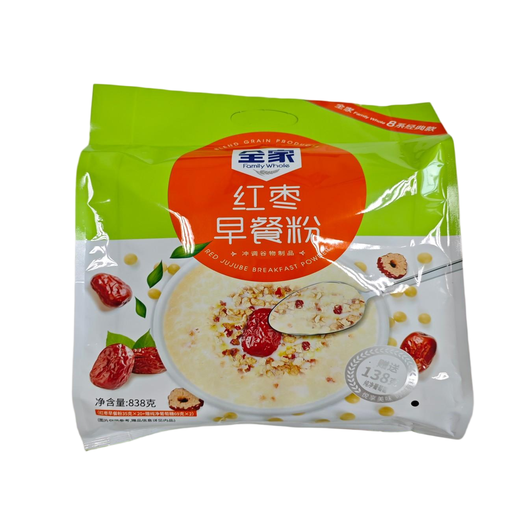
Why it suits this profile: Ideal if you want to prepare a hot breakfast quickly on working days without weighing out separate ingredients.
The ingredients and serving size are clearly stated: 20 sachets of 35 grams, containing 4.5% red date. It is therefore clearly a grain mix.
Prepare with approximately 175 ml of boiling water. Contains oats, soya and milk powder; check the allergens before buying.
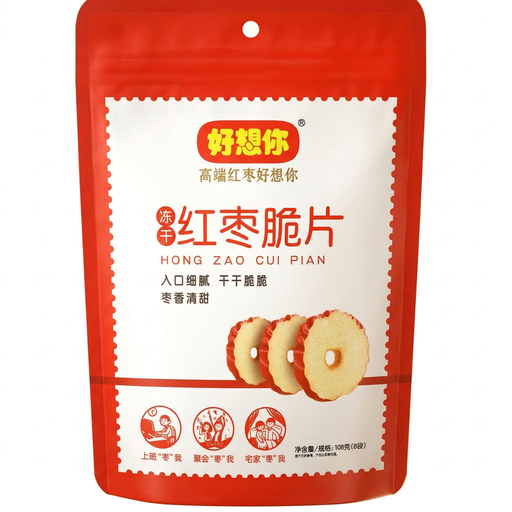
Why it suits this profile: A small pack is ideal if you want to try a crispy red-date snack without immediately buying a large supply.
The ingredients list contains only red dates. According to the product information, no nuts, sesame or syrups have been added.
108 grams, ready to eat and crispy. The nutritional information lists 92.8 grams of carbohydrates per 100 grams.
We have compiled a complete, up-to-date list of products that fully meet these strict selection criteria and the applicable European safety regulations.
No, usually not. Red dates or jujube often refers to Chinese dates. Medjoul dates are a different type of date, usually larger, softer and sourced from countries including Turkey. Check the product name, origin, texture and ingredients list.
That depends on the product. According to the product information, Hao Xiang Ni Pitted Jujubes 500g is ready to eat. HEYU Premium Jujube, on the other hand, states that the dates must be washed and boiled and must not be eaten raw. Always follow the preparation instructions on the packaging.
Store dried red dates and snacks in a cool, dry place away from direct sunlight and moisture. Seal the packaging securely after opening. Refrigeration may be recommended in warm conditions, but check the specific label for guidance. Do not use a product if the packaging is damaged or if its smell, colour or texture is noticeably unusual.
