Vandaag of morgen in huis

Kwaliteit gegarandeerd

Welkomstaanbiedingen ontgrendelen: GRATIS bezorging | Tot 80% korting | Gratis 30 dagen JoyPlus-proefperiode
Download de app
Interest in Asian sweets is growing, but choosing the right snack can be a challenge. You might be worried about an unexpected flavour, a disappointing texture, or simply not know where to start. Red bean snacks, a cornerstone of Chinese and East Asian patisserie, offer a unique, mildly sweet, and earthy flavour that surprises many. This article will help you make an informed choice based on product features and specifications.
To avoid a disappointing purchase, it's helpful to know what to look for. The following criteria will help you select a product that meets your expectations.
Based on the criteria above, we have made a selection of three different types of red bean snacks. These recommendations are based on the product specifications provided by the manufacturer.
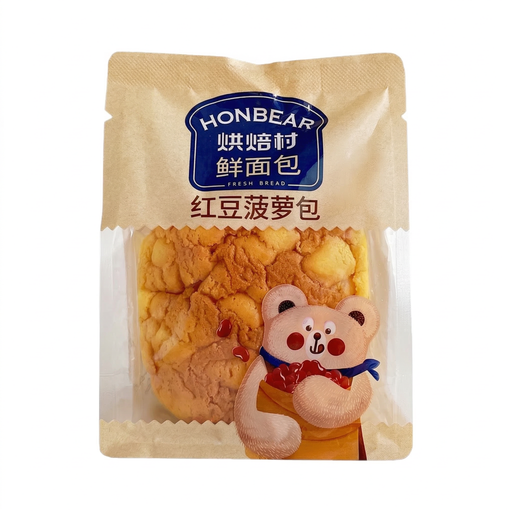
Why this product: This bun combines two classics: the soft texture of a bun and the sweet filling of red bean paste, topped with a crispy pineapple crumb layer (which, incidentally, contains no pineapple). According to the specifications, the filling contains at least 37% red beans, ensuring a prominent flavour. It is a ready-to-eat product, which makes it very convenient.
Benefits:
Who is this for: For those looking for an accessible introduction to Chinese red bean snacks. The bun shape is familiar, and the flavour combination is mild and sweet.
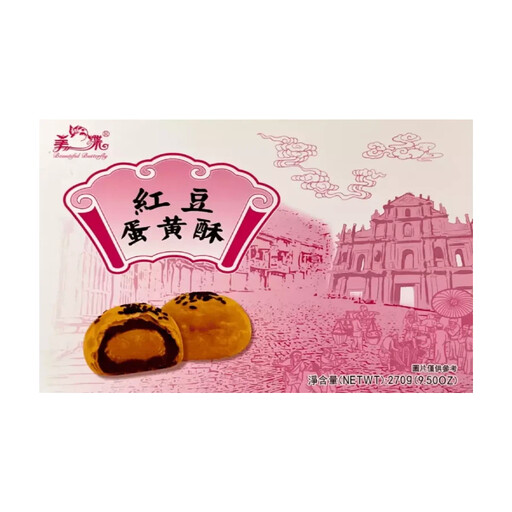
Why this product: This is a traditional Chinese pastry that offers a more complex flavour experience. The combination of sweet, smooth red bean paste with a whole, salted egg yolk is a classic in Chinese patisserie. The flaky dough provides a rich, buttery texture.
Benefits:
Who is this for: For the consumer who is already familiar with Asian sweets or has an adventurous palate. The sweet-savory combination is distinctive and often appreciated on special occasions.
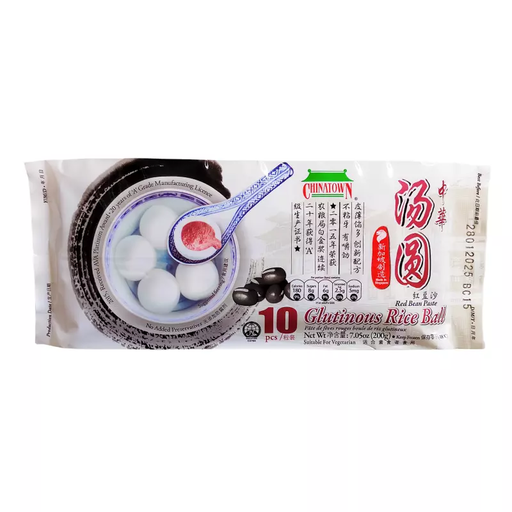
Why this product: These are traditional glutinous rice balls with red bean, also known as tangyuan. This frozen product offers an authentic experience. The outside is made from glutinous rice flour, which gives it a soft, springy, and slightly sticky texture after cooking (similar to mochi). The filling is a classic, smooth red bean paste.
Benefits:
Who is this for: For those seeking an authentic dessert experience or a traditional dish for a festival. Ideal for fans of the 'chewy' texture of mochi and similar snacks.
The world of red bean snacks is broad and varied. Besides buns, pastries, and glutinous rice balls, there are also cookies, ice cream, and even drinks made with red beans. If the products above aren't exactly what you're looking for, or if you're curious about other varieties, there is more to discover.
Check out our full range in the Rode snack category for a broader overview of the available options.
1. What is red bean paste and what does it taste like? Red bean paste is a sweet filling widely used in East Asian cuisine. It is made by boiling, mashing, and sweetening azuki beans with sugar. The flavour is mildly sweet, with a slightly nutty and earthy undertone. The texture is usually smooth and thick, similar to a firm jam. For those considering buying red bean paste for their own use, this serves as a good flavour reference.
2. Are red bean snacks a healthy choice? Red bean snacks are generally considered a sweet or dessert. Although azuki beans themselves contain nutrients, sugar and fat are often added during the preparation of the paste and the snacks. The nutritional value varies greatly by product. For specific information on calories, sugars, and fats, it is advisable to consult the nutritional information on the product packaging.
3. How do I store Chinese pastries with red bean? The storage method depends on the type of product. Ready-to-eat products like buns and pastries can usually be stored at room temperature in a dry place and are intended for quick consumption. Check the packaging for the exact expiration date. Frozen products, such as tangyuan, must be kept in the freezer at -18°C or colder and should not be refrozen after thawing.
Joybuy Product Recommendation Officer