
Vandaag of morgen in huis

Kwaliteit gegarandeerd

Welkomstaanbiedingen ontgrendelen: GRATIS bezorging | Tot 80% korting | Gratis 30 dagen JoyPlus-proefperiode
Download de app
Welcome, I'm Joybuy's Product Recommendation Officer. My job is to help you make informed choices, without the marketing fluff. Today, we're diving into the world of red bean paste, a beloved filling in many Asian snacks.
Whether you're craving soft Japanese mochi, warm taiyaki, or fluffy Chinese buns, the quality of the red bean paste makes all the difference. Unfortunately, not everything that's red and sweet is worth your money. Let's look at the common pitfalls so you know what to watch out for.
The 2 most common pitfalls when choosing snacks with red bean paste:
To avoid these disappointments, there are a few concrete specifications you can check. These aren't opinions, but facts you'll find on the packaging or product page.
The heart of good red bean paste, also known as anko, is the azuki bean. Check the ingredients list. Is sugar or maltose listed as the first ingredient, before the beans? Then chances are the filling is overly sweet and the bean flavour is weak. A higher percentage of beans usually indicates a richer, deeper flavour. Products that specifically list "red beans" or "azuki beans" high on the list often offer a more authentic experience.
Asian snacks with red bean paste come in various forms. It's important to know what you're buying to avoid mismatched expectations.
Always check the product description for terms like "frozen," "steam," or "heat before consumption."
Based on these objective criteria, we have selected a number of products that suit different preferences.
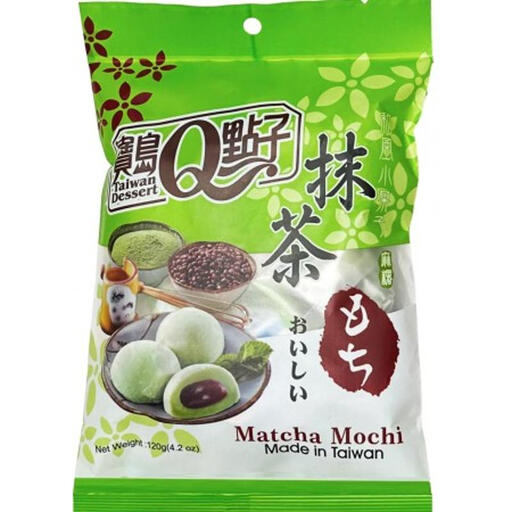
Why This Fits Their Persona: Perfect for those who want instant gratification. This mochi is ready-to-eat and combines the popular flavours of matcha and sweet red beans. Convenient with tea or as a snack.
The red bean paste is clearly listed in the ingredients, ensuring a balanced flavour alongside the matcha. The texture is soft and chewy, just as you'd expect from mochi.
Ready-to-eat and instantly enjoyable. The combination of earthy matcha and sweet red bean is a classic.
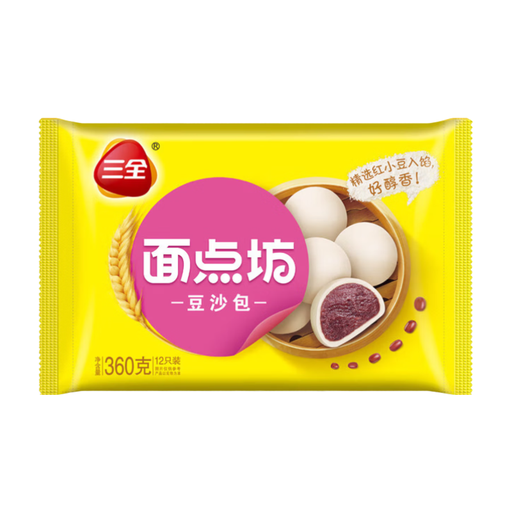
Why This Fits Their Persona: For those seeking the classic flavour of Chinese buns (bao). This frozen product brings the dim sum experience to your own kitchen. A warm, filling breakfast or snack.
This product specifies 8% red beans and 38% wheat flour, providing a good balance between the filling and the bun. By steaming it yourself, you control the texture and can serve it warm and fluffy.
Authentic dim sum experience at home. The filling is smooth, and its sweetness is well-balanced with the steamed bun.
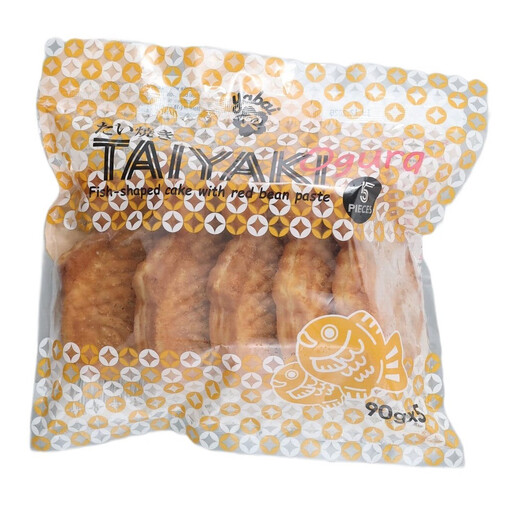
Why This Fits Their Persona: For those who want to bring the atmosphere of a Japanese festival into their home. These frozen taiyaki (fish-shaped cakes) just need to be heated up for a crispy exterior and a soft, sweet filling.
This product specifies 13.9% adzuki beans, a good indicator of a flavourful filling. Since you heat it yourself, you get the intended texture: crispy on the outside, soft on the inside.
Easy to prepare for a fresh street food experience. The filling is velvety smooth, and the fish shape makes for a fun presentation.
We've compiled a complete, up-to-date list of products that meet these selection criteria and comply with current regulations.
There is no difference. Anko is the Japanese term for sweet red bean paste. The paste is made from cooked and mashed azuki beans that are sweetened with sugar or maltose. You may encounter both terms, but they refer to the same ingredient.
For ready-to-eat products like mochi, store them in an airtight container in a cool, dry place after opening. Some packaging may recommend refrigeration. Always follow the instructions on the label. Frozen products like taiyaki or sesame balls should be kept in the freezer until use. Once thawed, do not refreeze.
Not necessarily. The sweetness can vary greatly. Traditional red bean paste has a mild, earthy flavour that balances the sweetness. Products that use maltose instead of just granulated sugar are often less sharply sweet. If you're looking for a less sweet option, check that sugar is not the first ingredient on the list.
