The Asian snack section of the freezer aisle can be overwhelming. Dozens of packages of steamed buns, bao, and other pastries compete for your attention. You're looking for that specific, authentic flavour of red bean buns, but which package contains exactly what you're craving? It's easy to make the wrong choice, resulting in a disappointing taste or an unexpected texture. This guide will help you make an informed decision, so you know exactly what you're bringing home.
What to Look for When Choosing Frozen Asian Snacks
To make the right choice, it's helpful to pay attention to a few specific product features. This will help you distinguish between the different types of red bean buns.
- Product Type: The term 'red bean bun' can refer to several different products. The most common are steamed buns (similar to bao) and deep-fried sesame balls (jian dui). Steamed buns are soft and fluffy, while sesame balls have a crispy exterior and a chewy, sticky interior. Your preference for texture and preparation method (steaming versus frying) will be the deciding factor here.
- Filling Composition: The red bean paste (also known as anko) can vary in sweetness and texture. Some fillings are completely smooth, while others have a coarser consistency. There are also varieties with added flavourings, such as citrus peel, or a combination of sweet and salty.
- Ingredients and Allergens: Always check the ingredient list on the packaging. Most pastries contain wheat (gluten). Sesame balls, naturally, contain sesame. Reading the specifications will help you avoid any surprises.
- Preparation Instructions: Convenience is often a key reason for choosing frozen products. Look at the recommended preparation method. Does the product need to be steamed, deep-fried, baked in the oven, or cooked in an air fryer? The instructions provide an indication of the time and effort required.
Our Selection: Popular Red Bean Buns
Based on product features and variety in flavour profiles, we have curated a selection of different types of red bean buns.
1. Songyuelou Tangerine Peel Red Bean Buns, 360g
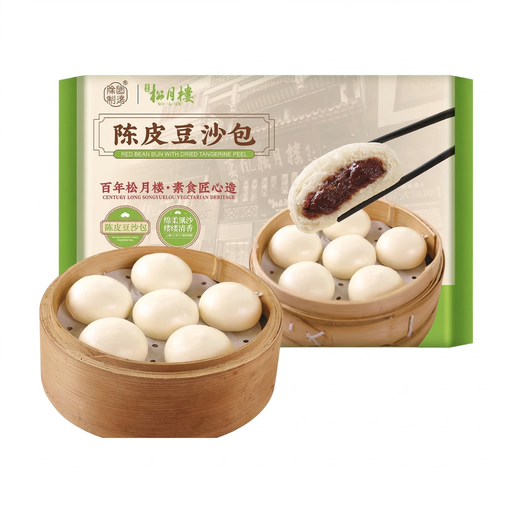
- Why this product: This steamed bun stands out with the addition of dried tangerine peel (chenpi) to the red bean filling. This ingredient imparts a subtle, aromatic citrus note that balances the sweetness of the bean paste.
- Benefits:
- Flavour Profile: A combination of classic sweetness with a refreshing, slightly bitter undertone.
- Texture: Soft and fluffy dough, characteristic of traditional Chinese bao.
- Convenience: Can be steamed directly from frozen for a quick, warm snack or breakfast.
- Who is this for: For lovers of classic steamed buns who appreciate a refined and less one-dimensionally sweet flavour. Ideal for a quick breakfast or as part of a dim sum meal.
2. CHINATOWN Sesame Balls with Salty Red Bean, 228g
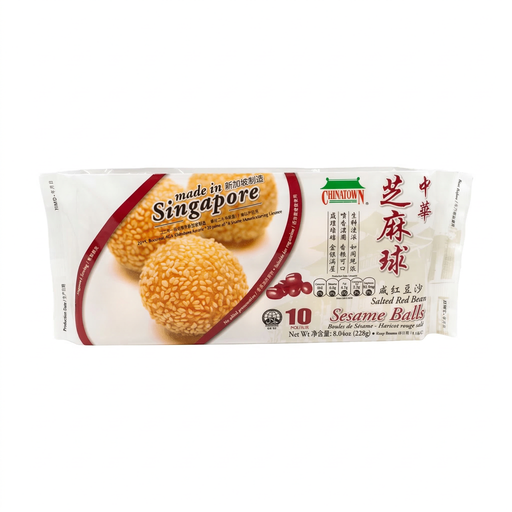
- Why this product: This is a completely different type of snack, known as jian dui. The dough is made from glutinous rice flour, which creates a crispy exterior and a unique, chewy interior after frying. The filling combines sweet red beans with a hint of salt.
- Benefits:
- Textural Contrast: Crispy on the outside, soft and chewy on the inside.
- Flavour Balance: The sweet-and-salty filling offers a more complex flavour profile that balances the richness of the fried snack.
- Aroma: The toasted sesame seeds on the exterior provide a nutty fragrance and added texture.
- Who is this for: For those seeking a dessert or snack with a distinctive texture. A great choice for adventurous eaters and fans of the flavours and textures of mochi and other glutinous rice products.
3. Freshasia Taiwanese Bean Paste Bun, 390g
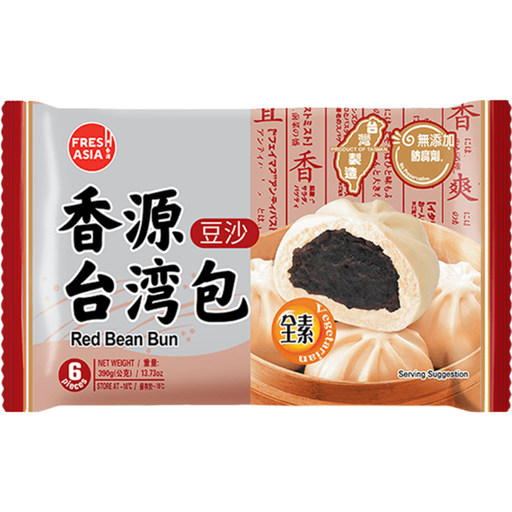
- Why this product: This is the classic, straightforward version of the steamed red bean bun. It focuses on pure flavours: a soft, white bun with a smooth, sweet red bean paste.
- Benefits:
- Classic Flavour: A familiar taste that captures the essence of a traditional Taiwanese bun.
- Texture: The dough is soft and elastic, with a smooth and creamy filling.
- Versatility: A reliable choice that is suitable for breakfast, as a snack, or even as part of a light meal.
- Who is this for: For those looking for the authentic, pure taste of a red bean bao without any extra frills. An excellent introduction for anyone new to anko buns.
Didn't Find What You Were Looking For? Discover More Frozen Bean Products
The world of Asian snacks is vast and diverse. Perhaps you're looking for a different variety, a product with another type of bean, or you simply want to explore the wider selection. For more options, you can browse our full range.
-> View our full range of frozen bean products.
Frequently Asked Questions about Red Bean Buns
1. What is the difference between Chinese red bean buns and Japanese anko buns? While both use a sweet paste made from adzuki beans (anko), there are differences. Chinese buns, like bao, are typically steamed and have a soft, fluffy dough. Japanese anpan, on the other hand, are baked buns, similar to Western-style soft rolls. The filling can also differ: Chinese paste is often smooth, whereas Japanese anko can be either smooth (koshian) or coarse (tsubuan).
2. How do I store and prepare frozen red bean buns? Always store the products in the freezer at -18°C or lower to maintain quality. The preparation method depends on the product type. Steamed buns (bao) are usually steamed over boiling water for 10-15 minutes. Sesame balls (jian dui) are often deep-fried but can also be prepared in an air fryer or oven. Always consult the specific instructions on the packaging for the best results.
3. Are red bean buns very sweet? The red bean paste filling is made with sugar, so it is inherently sweet. The level of sweetness can vary by brand and product. Some varieties, like the Songyuelou buns with tangerine peel, have an added flavour dimension that balances the sweetness. Others, such as the Chinatown sesame balls, add a hint of salt for a sweet-and-salty taste experience.
Written by: Joybuy Product Recommendation Officer