
Percussionist recording in a noisy room
You mainly record one instrument and want to position the microphone to pick up less of the room noise. Shure describes the SM57 as suitable for drums and percussion.


If you’re recording a single percussion source in a noisy room, consider placing a dynamic microphone close to it; Shure describes the SM57 as suitable for drums and percussion. For a stereo image, you could consider a small-diaphragm condenser microphone or a matched pair, bearing phantom power, inputs and room acoustics in mind. Recording separate tracks for a full drum kit requires multiple microphones and enough inputs.
You mainly record one instrument and want to position the microphone to pick up less of the room noise. Shure describes the SM57 as suitable for drums and percussion.
You want to capture the interplay between instruments or cymbals as a stereo image, and can take microphone placement and room acoustics into account. RØDE also offers the NT5 as a matched stereo pair.
You want to record and mix individual parts of a drum kit separately. The number of available interface inputs and the space for mounting microphones are both factors to consider.
Start by deciding what you want to capture: a single source, a stereo image or separate tracks for a drum kit.
| What to consider | What to look for | Who should prioritise this? |
|---|---|---|
| Recording a single source with focus | Look at the polar pattern and placement; Shure recommends pointing the SM57 at the sound source you want to record and placing it as close as practical. | If I’m recording one instrument in a noisy room, I want to focus the recording on that source. Around 40% of consumers prioritise focused recording of a single source. |
| Stereo image and detail | Check whether you’re buying a matched pair and whether your interface supplies P48 phantom power via XLR. RØDE says that two separate NT5 microphones don’t automatically make a matched pair. | If you want to capture several percussion sounds or cymbals together in stereo, your recording needs differ from those of someone close-miking a single source. Around 30% of consumers prioritise stereo and detail. |
| Mounting on a snare or tom | Check that the supplied clamp fits the drum rim and that you can angle the microphone away from the striking area. Sennheiser describes the e 604 as coming with a drum-rim mount. | If a stand next to the drum gets in the way, a suitable rim clamp can be practical. Around 20% of consumers prioritise compact mounting on a snare or tom. |
| Recording multiple drum tracks separately | Count the number of simultaneous inputs you need and check what’s included in the set. AKG lists one P2, four P4s and two P17 microphones for the Drum Set Session I. | If you want to record the kick, snare, toms and overheads separately, you’ll need enough inputs. Around 10% of consumers prioritise a complete multi-channel setup. |
According to RØDE, two microphones of the same model aren’t automatically matched as a pair.
Check that the version is specifically advertised as a matched pair and see which accessories are included.
The RØDE NT5 uses XLR and P48 phantom power. For simultaneous recordings with multiple microphones, you’ll also need enough compatible inputs.
Before you buy, check your recording device’s power supply and number of inputs, as well as the accessories included with the exact version.
Microphone placement and room acoustics affect what it picks up. Changing microphones won’t make an instrument in the room quieter for your neighbours.
Compare close, focused recording with overhead recording to see what works for your needs. Treat potential noise disturbance as a separate issue.
The SM57 is a dynamic instrument microphone suited to close-miking drums and percussion, among other uses.
The small-diaphragm NT5 is designed for uses including overheads and cymbals, and is also available as a matched stereo pair.
The compact dynamic e 604 is designed for individual toms, snares and other suitable percussion instruments.
The P170 is a small-diaphragm condenser microphone suited to uses including overheads and percussion. The Drum Set Session I combines close microphones and overheads for a drum kit.
The models shown are wireless or USB microphones. Before buying, check that the connection and intended use are suitable for recording percussion and compatible with your equipment.
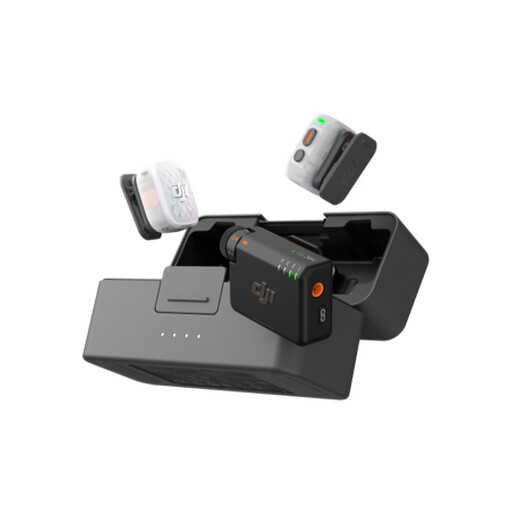 No image available
Wireless microphone system with two transmitters, one receiver and a charging case. Check that the connection and intended use are suitable for your recording equipment and percussion setup.
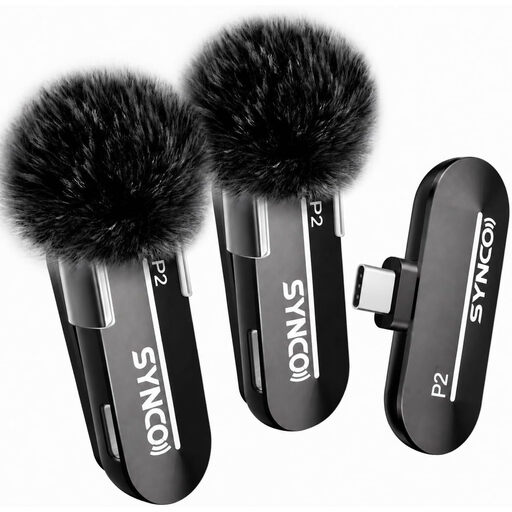 No image available
Wireless USB-C microphone. Check that USB-C and the intended wireless connection are compatible with your recording equipment and percussion setup.
 No image available
USB condenser microphone with a cardioid polar pattern. Check that the USB connection and placement are suitable for your recording equipment and percussion setup.
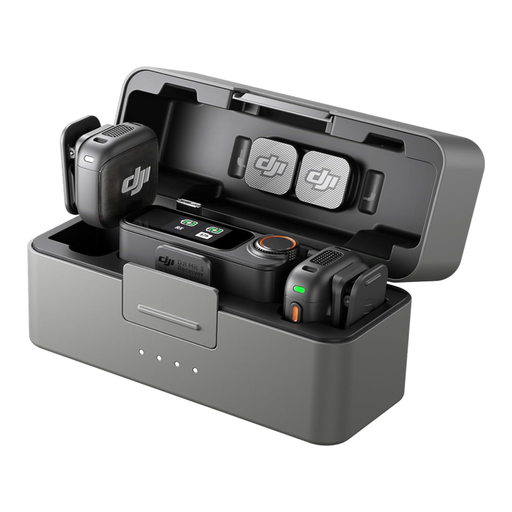 No image available
Wireless microphone system with two transmitters, one receiver and a charging case. Check that the connection and intended use are suitable for your recording equipment and percussion setup.
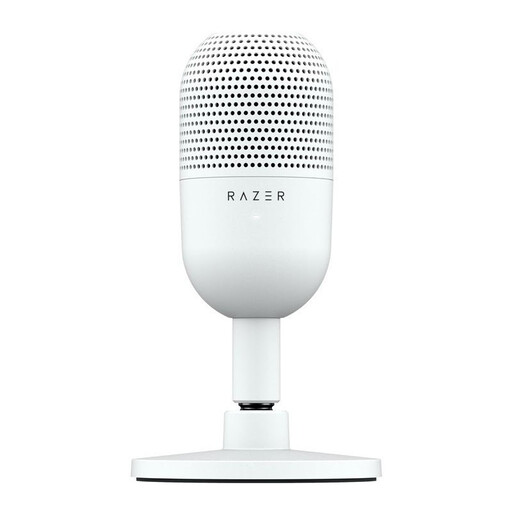 No image available
Compact USB microphone with tap-to-mute. Check that the USB connection and placement are suitable for your recording equipment and percussion setup.
It depends on the model. According to its product specifications, the RØDE NT5 requires P48 phantom power via XLR; AKG specifies 44–52 V for the P170. Check the exact model and what your recording device can supply.
Point the microphone at the source you want to record and try different positions. Shure notes in the SM57 guide that there’s no single universally correct position. When using multiple microphones, their relative placement also needs attention because of possible phase effects.
For a faulty product, the seller is your point of contact for a solution, according to the Dutch government. In many cases, online consumer purchases are also covered by a 14-day cooling-off period; this is a different right from making a claim about a faulty product. Check the terms that apply to your purchase.
Buying a microphone doesn’t exempt you from rules about noise disturbance. The Dutch government states that nuisance to neighbours may be covered by local regulations in many municipalities. If your recording could cause a disturbance, check the rules in your local area.