What should you look for when choosing?
Your choice will mainly depend on what you need most: clear speech, the option to connect a separate microphone, a straightforward workflow or the freedom to record independently in other locations.
| Consideration |
What to look for |
Who should prioritise this? |
| Clear speech |
Test the recorder in a stable position where you plan to use it, then listen to a short recording through headphones. |
If clear speech is my main priority, I’ll also test how the room sounds where I’ll be speaking. Around 36% of consumers put speech clarity first. |
| Connection for a separate microphone |
Compare your microphone’s connector and power requirements with the inputs on the exact recorder model. |
If I want to use an existing or future XLR microphone, I’ll check that the recorder is compatible. Around 29% of consumers say connecting a separate microphone is their top priority. |
| Recording and managing files |
Check the recording format you need, the storage and how you’ll listen back to and transfer files to your computer. |
If I want to listen back and continue editing easily after recording, I’ll consider my file workflow. Around 21% of consumers prioritise simple recording and file management. |
| Recording independently in other locations |
Check what power supply and storage the model uses and which items are included. |
If I want to use the recorder outside my regular home set-up, being able to record independently matters more. Around 14% of consumers say this is their top priority. |
Joybuy products
This selection includes portable voice recorders for spoken recordings. For each model, check that the recording features, file transfer and workflow described suit the way you record and edit your commentary.
 No image available
Plaud Note Pro AI Notes & Summary Voice Recorder (Silver)
The product information describes this compact model as offering recording and transcription. Check that these follow-up steps suit the way you process your museum commentary.
The product name mentions AI Notes & Summary and the colour Silver.
Joybuy
 No image available
Digital Voice Recorder 64 GB with Transcription Function
The product information mentions recording, transcription and summaries. Check that this combination suits your workflow for spoken commentary.
The product name mentions 64 GB and a transcription function.
Joybuy
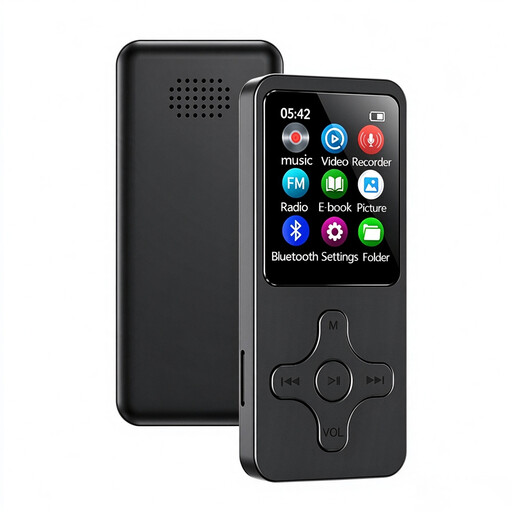 No image available
Digital Audio Player with 1.8 inch Display, Bluetooth, Voice Recording
The product information mentions voice recording with an integrated microphone. Check that the audio player’s other features suit your recording and listening needs.
The product name mentions a 1.8-inch display, Bluetooth and an e-book reader function.
Joybuy
 No image available
Rexsun L810 64GB Digital Voice Recorder
The product information mentions one-button operation and playback. This could suit a straightforward recording workflow; check that the connection and file transfer options work with your editing process.
The product name mentions 64 GB, One-Touch Recording and the colour Gray.
Joybuy
Frequently asked questions
Is 32-bit float essential for recording museum commentary?
No, 32-bit float isn’t essential for recording museum commentary. Zoom and Tascam describe this recording mode for some of the models mentioned; it won’t correct room echo. So listen to a test recording through headphones as well.
How should I set up a handheld recorder at home?
Place the recorder securely and make a test recording where you plan to speak. Zoom recommends using a tripod with the H1essential if placing it on a table causes reflections and a less clear sound. Shure explains why a microphone can’t fix a reverberant room on its own.
What should I check before a long recording session?
Check the storage and power supply, then listen to a short recording before recording the full text. Also check which items are included: the Dutch product listing for the Zoom H1essential doesn’t list a microSD card or AAA batteries as included.
What are my rights if an online-bought recorder is faulty?
According to the Dutch government, the seller must supply a product that works properly and is your first point of contact if it’s faulty. Online purchases generally come with a 14-day cooling-off period, subject to conditions and exceptions. Check what applies to your purchase.
Can I use music, someone else’s text or recognisable voices in my museum commentary?
Not without permission. According to the Dutch government, you need permission to use other people’s copyright-protected text or music; a private copy for personal use must not be shared or made public. Privacy rules also apply if you publish other people’s personal data. The Dutch Data Protection Authority states that permission is required in most cases, although other legal grounds and exceptions exist.


